
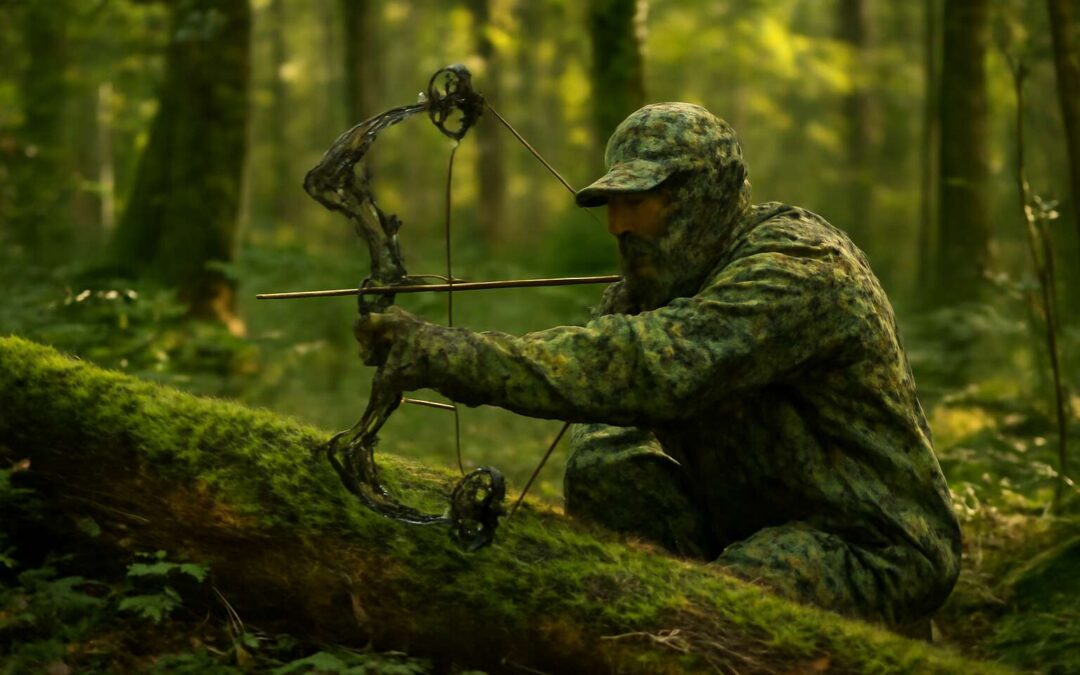
Camo Pattern Types for Archery Hunters
Leafy and 3D Pattern Advantages for Concealment
In the dim light of a South African dawn, concealment is strategy. For bow hunting camo, leafy patterns weave real vegetation into fabric, letting you blend with fynbos and riverbank brush. A veteran once said, “If you vanish at first light, you win half the battle.”
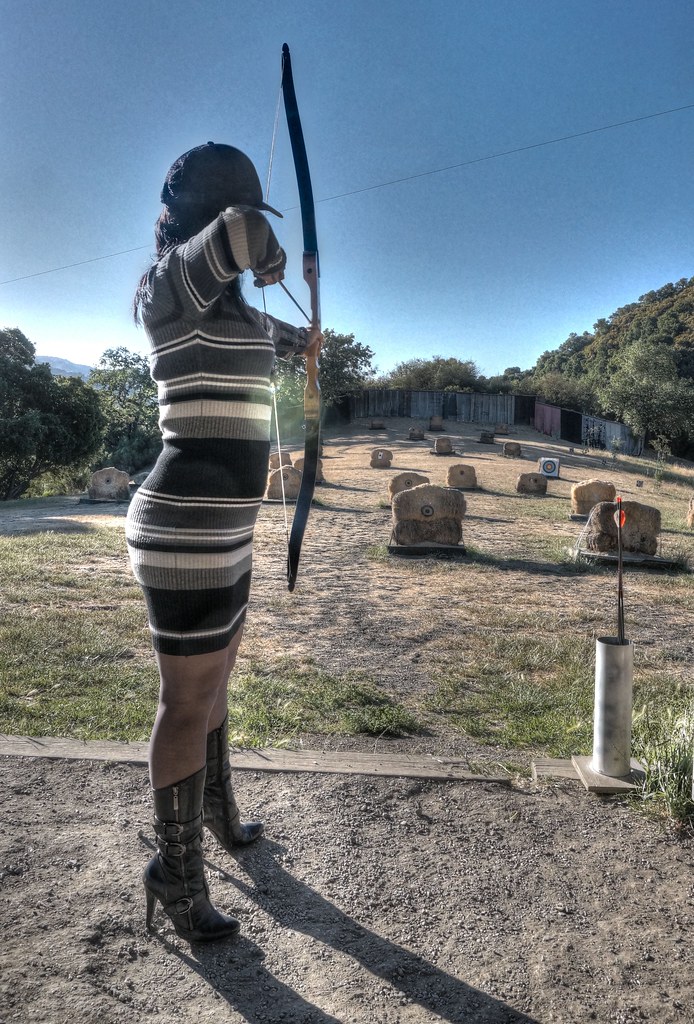
Leafy patterns excel where shrubs and grass dominate the scene. They mirror ground cover, letting your movement ride the shadows rather than draw attention.
- Mirrors nearby foliage, reducing visibility
- Breaks the hunter’s silhouette with leaf edges
- Matches seasonal SA greens and browns
3D patterns add texture and depth, creating micro-shadowing that confuses the eye as light shifts. They enhance concealment by delivering tactile realism in varied brush and wind, a practical fit for South African terrain.
Popular Camo Brands and Real-World Patterns (Mossy Oak, RealTree, etc.)
Camo is more than color; it’s the hunter’s quiet ally at first light. For bow hunting camo, the right pattern becomes a strategic edge in a South African dawn. A veteran once said, “Concealment is strategy,” and that line lands hard when shadows shift and wind holds its breath.
Pattern types matter because they set how your silhouette is read by eyes that see movement, not just color. Disruptive patterns break your silhouette, while seasonal greens or browns help you blend with fynbos and riverbank brush. Mossy Oak and RealTree dominate the market with families tailored for brush, grass, and leaf litter. Popular camo families include:
- Mossy Oak Break-Up Country
- Mossy Oak Shadow Grass Habitat
- RealTree Xtra
- RealTree Timber
- Kryptek Highlander
These patterns translate across real-world SA terrain, from granite riverbeds to thorn scrub, illustrating how brands tailor realism to brush and light.
Contrast and Breakup: When to Use Bold vs Subtle Patterns
“Concealment is strategy,” a veteran once said, and dawn patrols prove the point. For bow hunting camo, pattern contrast defines how the first light reads your silhouette. High-contrast designs cut through open gaps as shadows move; low-contrast disruptors blend with fynbos and riverbank brush as wind shifts.
- Contrast-rich designs appear in open terrain and shifting light
- Disruptive, subtle tones blend with dense scrub and leaf litter
Across South Africa’s terrain—from granite riverbeds to thorn scrub—the choice is about texture and rhythm, not color alone. In this sense, pattern types determine how your outline is perceived during the draw and follow-through.
Pattern Sizing, Layering, and Mobility for Bow Shots
Pattern sizing and layering decide the outcome long before the arrow leaves the bow. In dawn patrols, a silhouette read by shifting light can mean the difference between a clean shot and a miss. “Pattern is king in the early light,” an old bow hunter once said. For bow hunting camo, the aim is texture and rhythm—breathable fabrics that move with the draw and stay quiet as steps slow.
- Pattern sizing: mini, standard, oversized blocks to disrupt silhouette at distance.
- Layering: breathable base, light mid, quiet outer shell for draw.
- Mobility: stretch fabrics and articulated seams for a smooth bow hand.
- Color balance: muted tones that blend as light shifts.
Across South Africa’s varied veld, pattern types frame texture and rhythm as much as color. The goal is concealment that flows with breeze, not bulk that clings on the draw.
Terrain Specific Camouflage Strategies for Bow Hunters
Woodland Terrain: Leaves, Bark, and Shadow Breaks
In the hush before first light, South African woodlands lean in, and their breath tastes of earth and possibility. “The forest hides you; your bow hunting camo must mirror its moods,” a seasoned guide likes to murmur, and the idea still rings true.
Woodland terrain asks for leaves, bark, and shadow breaks that blend learning with wonder. Match the leaf litter’s browns and olives, rough bark textures, and the way shadows pool under branches to the hunter’s silhouette.
- Leaves and ground cover mimicry: choose patterns that echo the season’s leaf color and texture.
- Bark transitions: break up the outline with vertical and horizontal textures that resemble old limbs.
- Shadow breaks: position camouflage to ride the natural light, not fight it.
When you tune bow hunting camo to these elements, your presence becomes a rumor in the wood rather than a shout—clean, quiet, assured.
Open Field and Grassland Patterns for Open Sightlines
Open field hunting in South Africa’s vast veld demands more than visibility; it demands harmony with light! “Open sightlines demand patience,” a seasoned guide likes to say, and the truth lands hard when the horizon stays flat and every movement reads long distance.
Grass and soil dictate a move toward tans, olives, and subdued golds. Avoid harsh contrast; let texture mimic seed heads and stem shadows that ride the breeze rather than fight it.
- Long tonal gradients echo grasses
- Soft edge textures imitate stems
- Matte finishes reduce glare in sun
For bow hunting camo in open terrain, patterns should horse-trade with the grassland’s rhythm, breaking outline without shouting. The silhouette becomes a wind-blown patch of veld rather than a hunter in plain sight.
Snowy and Winter Terrain Camouflage Solutions
South Africa’s snow-dusted highveld is a blank page, and the hunter writes with silence. “The eye reads motion longer than color,” a guide likes to say, and in winter light that habit bites deep. Bow hunting camo must whisper, not shout, bending with drifted snow rather than freezing it in place.
Textures win over brightness when the world is all white. Subdued gradients, soft edges, and a matte finish let you vanish with the wind. Cold air carries scent but not truth; your pattern should read like wind, not fabric.
- Soft edge patterns
- Wind drift texture
- Low glare surface
Let the snow tell your silhouette’s story—an unspoken drift rather than a hunter’s claim.
Desert and Dry Grasslands: Color Adaptations
“Tone is truth; shadow is memory,” a guide likes to say. The arid plains turn daylight into a grain of sand, and the hunter learns to listen to the wind rather than shout at it. For desert and dry grasslands, color adaptations lean into sun-burnished ochre, dune beige, and clay shadows that blend with sparse scrub. In this theatre, bow hunting camo must echo the landscape’s quiet arithmetic—soft, sun-bleached palettes that read like heat haze rather than fabric.
The eye follows lines, not hues, so shapes should drift with the horizon: blends and jagged-edged silhouettes that break up a torso into windborne ribbons. In South Africa’s veld, greens meet sandy browns where grass thins to spindly stalks; the camo lives in the space between color and edge. Let the light script your silhouette, and bow hunting camo becomes a partner of the land rather than a banner of the hunter.
Seasonal Camouflage: Adapting to Weather and Light for Archery
Spring to Fall Transitions: Color Shifts and Layering
Spring mornings in South Africa’s karoo hills threaten to reveal every silhouette, but a smart bow hunting camo bends with the light. Field observations say camouflage reads up to 40% better as dawn yields to sun, turning shadows into allies rather than liabilities.
From spring to autumn, color shifts and layering tell the story of weather and light. Lighter greens give way to olive and slate as the day brightens, then warmer ochres in late afternoon—an orchestra of hues that keeps you softly present rather than seen.
- Spring grasses with mossy tones echo fresh growth.
- Autumn browns and muted reds mark late-season fields.
Across South Africa’s diverse veld, adaptive camouflage respects light’s choreography, offering concealment that feels almost invisible to a wary quarry.
Weather Effects on Camouflage: Rain, Humidity, and Mud
Weather writes the camouflage script as surely as dawn splits the Karoo air. In spring’s damp mornings and autumn’s haze, light shifts bend silhouettes into whispers. bow hunting camo becomes a patient observer of gusts, glints, and the way mud patches the ground—never a rigid shield, always a responsive veil. Across South Africa’s veld, fabrics that breathe with the day stay true without shouting.
Rain, humidity, and mud rewrite how patterns read on the move. The fabric and colorway must track moisture and texture, blending with changing ground cover rather than fighting it.
- Rain increases gloss on wet leaves, nudging contrast
- Humidity softens edges, flattening line definition
- Mud mutates tones, altering texture and shadow play
That seasonal choreography underpins quiet confidence in open and wooded spaces. bow hunting camo becomes a living dialogue with weather and light in South Africa’s shifting seasons.
Dawn, Dusk, and Low-Light Strategies
The first light over South Africa’s veld is a living artist, brushing grass with gold and shadow. “Hide in plain sight,” whispers dawn, and the land answers with shifting color. Seasonal camouflage here learns the weather’s language, turning every breeze into a partner in concealment.
Humidity settles, dew beads, and textures muddy the line between fabric and fern. In archery dawn, long shadows soften; at dusk, colors drift toward slate and olive. For bow hunting camo, the fabric becomes a patient observer, attuned to ground contrast and the quiet murmur of wind.
- Dawn reveals pale greens and a subtle sheen that matches wet leaves
- Dusk drapes deeper tones and blurred silhouettes against fading light
- Low-light highlights texture-rich surfaces that catch irregular shadows
The veld speaks; those who listen move through it as part of the landscape.
Perception and Movement: How Deer Responds to Camouflage
Seasonal camouflage shifts with weather and light, and the veld becomes a living clock. “Dawn is a patient teacher,” a veteran guide once told me, and I hear that lesson on every stalk: pale greens wake with dew; olive tones deepen as a late sun climbs; texture and shadow weave into the grass.
Deer read that changing stage with a hunter’s caution. They light on contrasts in motion and edges, not only color, so breeze, branches, and bark create a living outline that can vanish or emerge with a breath. In this world, perception governs movement as much as camouflage does.
Seasonal camouflage prompts a simple language for the hunt’s open days.
- Cool mornings: pale greens
- Damp days: textured shadows
- Windy hours: broken silhouettes
For those pursuing deer with bow hunting camo, understanding these shifts is not about tricks; it’s about listening to the land.
Gear and Scent Control: Completing Your Archery Camouflage
Layering for Mobility: Base Layer, Outerwear, and Fit
In the stand, gear is not costume but a shadow that moves with you. Bow hunting camo must breathe with your body, weaving scent control into every stride as you settle. Gear and scent control converge in a simple truth: completing your archery camouflage layering for mobility means dialing in Base Layer, Outerwear, and Fit.
- Base Layer: moisture-wicking fabrics that stay quiet and regulate temperature.
- Outerwear: camouflage tuned for terrain, quiet seams, and articulated movement.
- Fit: a tailored cut that preserves mobility without catching on brush.
In the South African veld, scent control and dynamic concealment ride hand in hand, keeping bow hunting camo as invisible as dusk over acacia and scrub.
Scent Control Integration with Camouflage Apparel
On the South African veld, scent is a messenger that outruns your footsteps. Bow hunting camo becomes a living shadow, a cloak that moves with you as you hold your nerve. A seasoned stalker once whispered, “Scent is the shadow you cannot outrun,” and the wisdom sticks like dew on a sunrise blade.
Scent-control integration with camouflage apparel means gear that breathes as you breathe—moisture-wicking fabrics, quiet finishes, and antimicrobial trims that neutralize odors without chafing. The best ensembles weave scent management into the very weave, letting you slip along tangles and grass while the landscape remains unaware of your approach.
In the open veld and scrub, the alliance of scent control and camouflage is the unseen hinge between patience and precision. When your bow hunting camo becomes one with the wind and the hush of the acacia, you step into dusk as if you were born of shadow.
Camouflage for Accessories: Gloves, Hats, Face Masks, and Boots
“Scent is the shadow you cannot outrun,” a seasoned stalker whispered, and on the South African veld the line holds true. It is bow hunting camo that must do more than vanish into color; it must bend with wind, grain, and the careful hush of the grass. Your patience becomes the lure; your silhouette, a rumor the veld keeps to itself.
In the archery camouflage game, accessories are the hinge that seals your silhouette. bow hunting camo is not complete without gloves, hats, face masks, and boots. Fabrics breathe with you and quiet finishes mask footsteps while antimicrobial trims neutralize odour.
- Gloves: silent grip and dexterity
- Hats: low-profile, wind-silent brims
- Face masks: breathable, snug containment
- Boots: quiet soles, supple ankle support
Together, they let you move through leaf and shadow with the subtlest step.
Optics, Blinds, and Treestand Setup for Concealment
Wind is the hunter’s ally and critic, and in the South African veld scent travels faster than footsteps. Season after season, scent clues dictate close-range misses. bow hunting camo must outpace that truth by weaving concealment through optics, blinds, and a treestand setup. When those elements align, you become a rumor the grass won’t fully reveal.
- Optics: low-glare, matte lenses to cut reflections
- Blinds: silent operation with scent-neutral fabrics
- Treestands: camouflage that mirrors ground texture
As light breathes across the grass, the choreography of bow hunting camo extends beyond fabric. Observers note that optics, blinds, and treestands don’t stand alone; they fuse with movement and scent control to keep hunters unseen from shake to stillness, wherever the veld holds its breath.