
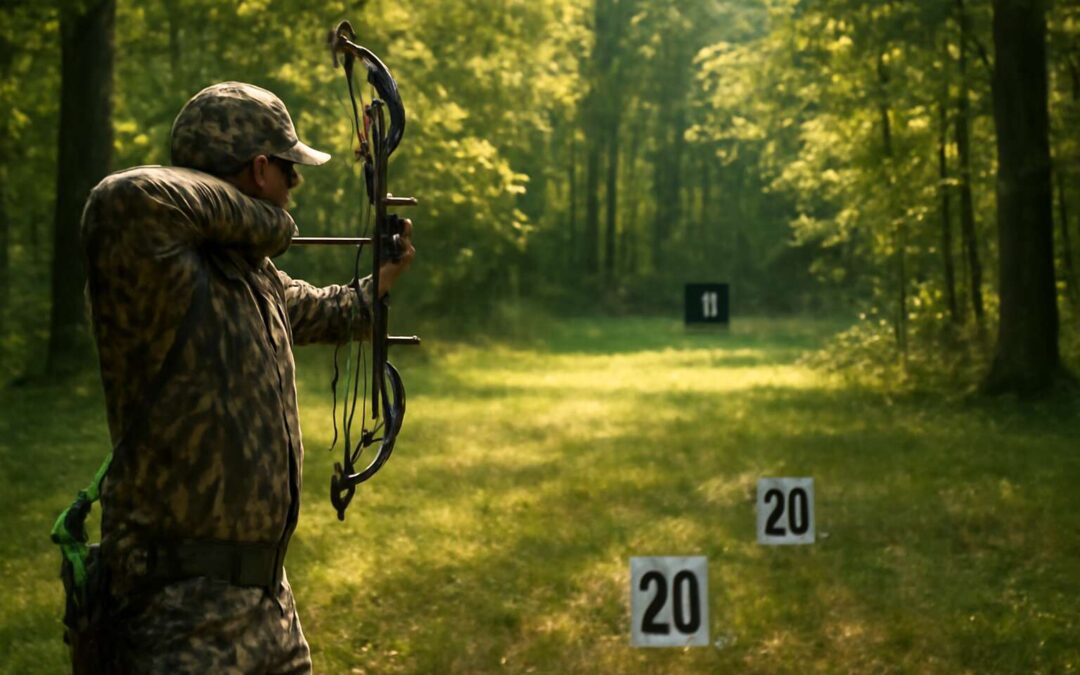
Distance estimation and rangefinding for bow hunting
Tools for estimating distance and pacing
Distance is the merciless referee in South Africa’s veld, and mastering bow hunting distance is less about luck and more about nerves. A clean read of range buys seconds to draw and anchor, turning what could be a misfire into a precise, trophy-ready moment.
Tools for estimating distance and rangefinding are your quiet partners. A handheld rangefinder provides speed and accuracy, while consistent pacing steadies your read of the yardline. Choose a method that fits your terrain, then practice until it feels natural.
- Rangefinder with angle compensation
- Fixed landmarks and pacing drills
- Landmark-based estimation for brushy terrain
In practice, calm eyes and a measured breath matter more than gear flamboyance. I learned this on a frosty dawn, when a single pause kept the arrow true and the moment earned its trophy.
Rangefinder tech and alternatives
At first light, the veld breathes in slow as the world wakes; speed is a virtue, but humility is the quiet killer of misread shots. Distance becomes a ledger you learn to read on the move—glancing, not gawking, at the silhouette of the kudu or the twist of a thornbush. In that moment, time tilts toward precision.
Rangefinders, when they work, shave seconds from your read and keep your aim true. Bow hunting distance, however, is not forged by gadgets alone; it’s a cadence—the balance between gear and breath, sight and silence, that lets a release find its mark across open savanna and dense brush alike.
It’s a field of memory and habit, where the land teaches you patience and your hands learn to follow what the eyes already knows — a trophy moment earned, not chased.
Common distance estimation methods
“The closest you get to the truth is the distance you read with breath, not gadgets,” a veld veteran once told me. I learned to listen to the land and to my own breath. Bow hunting distance becomes a patient dialogue with the land, where speed fades and observation rules. Mastering the distance begins long before the shot, with how your eyes judge form, shadow, and scale in open savanna and dense thicket.
Common distance estimation methods include:
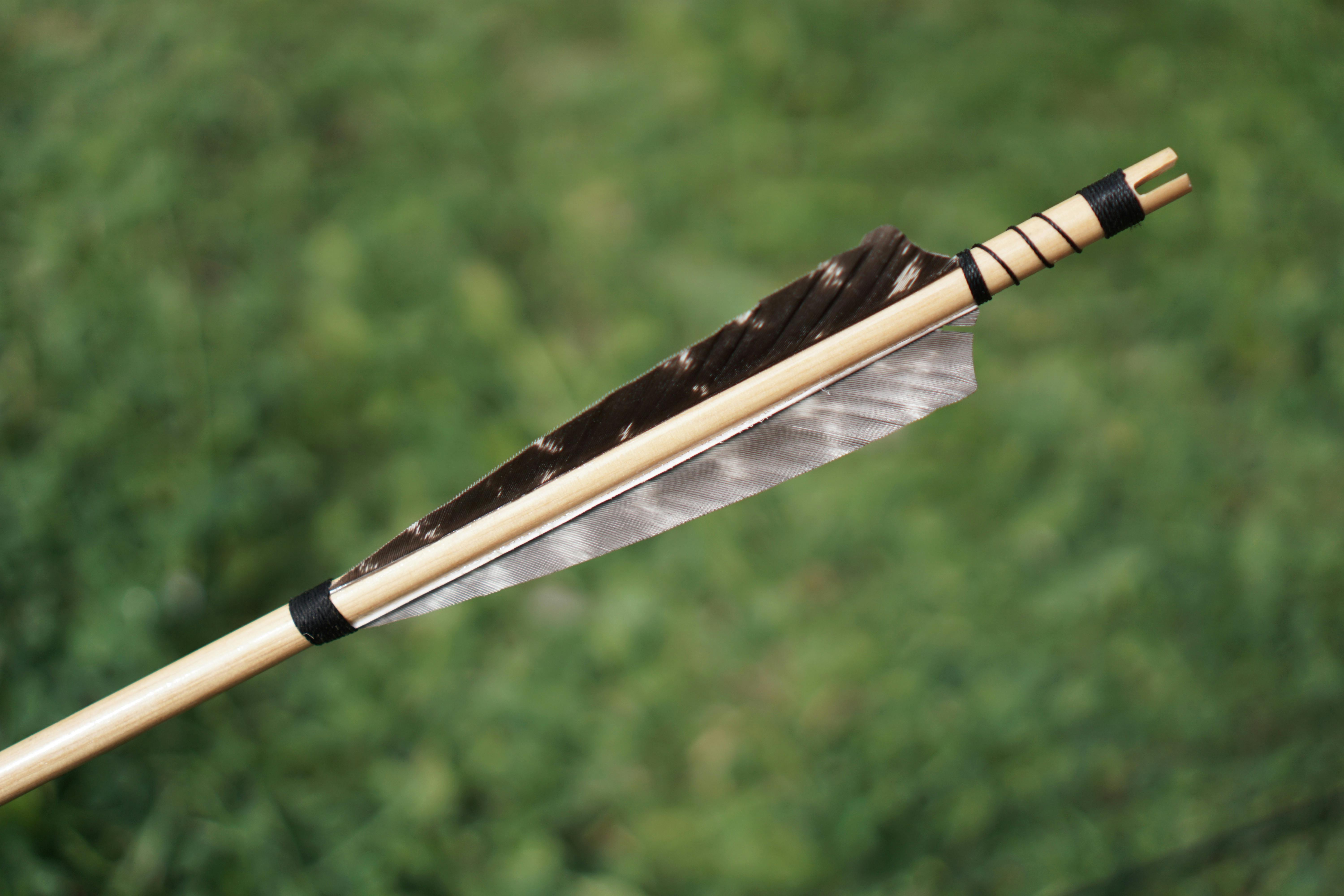
- Counting paces and knowing your stride length
- Using reference features like a tree trunk or bush height
- Estimating animal size and posture to infer distance
- Reading grass height and terrain slope to gauge range
Patience is practiced in the lungs as well as the eyes. These methods demand calm, deliberate breath and steady footing, because every compact moment on the veld can tilt the range in a heartbeat!
Estimating distance without devices
In the open veld, distance reads truth in the stillness, not in gadgets. A veld veteran once whispered, “Distance answers best to breath, not devices.” Bow hunting distance hinges on listening to the land and letting speed fall away, so every step carries weight.
Estimation without devices is a patient dialogue: eyes measure form, shadow, and scale across savanna and thicket. Observe how a tree’s girth, an antelope’s posture, or a blade of grass tilts our sense of range. The goal is to tune breath with the landscape, turning range into rhythm, the essence of bow hunting distance.
- Silhouette size against the sky
- Shadow length at sun height
- Terrain slope and grass texture
Every compact moment on the veld tilts the bow hunting distance, and breath becomes a compass, guiding a shot that belongs to the land itself.
Drills to improve range estimation accuracy
“Breath is the true rangefinder,” a veld veteran murmured, and the land answered with patient light. In the realm of bow hunting distance, accuracy blooms from quiet observation rather than devices, from visualization and tempo rather than gadgetry.
These high-level drills invite the eye to measure form, splay, and scale, turning distance into a shared rhythm between hunter and habitat. I’ve learned they emphasize visualization, breath pacing, and land-sense—skills that endure beyond a single shot and sharpen estimation accuracy for bow hunting distance.
- Silhouette-to-sky comparison: gauge the animal’s outline against a distant feature.
- Shadow-length mindfulness: read play of light to refine range perception.
- Terrain texture and scale recognition: match grass, rock, and tree proportion to known references.
These drills cultivate a patient dialogue with the veld, where estimation becomes an art and a responsibility, shaping every arrow’s fate.
Bow setup and gear for long-range accuracy
Choosing draw weight and arrow speed for longer shots
Dawn fog lifts as bow hunting distance becomes a measure of grace between wind and will. Precision here is not luck but a patient conversation with the horizon.
Bow setup for long-range accuracy rests on a balanced frame, a tuned string, and reliable accessories. Draw weight and arrow speed cohere to form a line of energy that travels true across distance.
- Riser, limbs, and a quiet sight
- Stabilizers for balance
- Matched spine arrows, consistent fletching
- Durable strings and a dependable release
In South Africa, this craft becomes a dialogue with wilderness, where bow hunting distance tested by the bow mirrors the broader journey toward mastery, humility, and grace under pressure.
Arrow spine, weight, and broadhead selection
Sunrise drips gold over the veld, and I hear a bow become a quiet compass toward the horizon. In this realm, bow hunting distance is not a chase but a patient agreement with wind and light; a measure of grace that arrives when the arrow and spine align and velocity whispers.
Arrow spine, weight, and broadhead selection thread the narrative of precision long after the bow is drawn. The spine should balance with the limbs, the weight harmonizes with the draw, and the broadhead carries enough steel to open a confident path.
- Matched spine for consistent flight
- Arrow weight tuned to the bow’s rhythm
- Broadhead profile suited to game and range
Here in South Africa, such gear becomes a dialogue with the land—quiet, exact, and full of patient wonder. Long-range focus grows from a relationship of form and timing, not brute force, working with wind as a silent partner.
Stabilizers, peep sights, and sight tape tuning
Grace travels farther than force, they say, and in the South African veld that holds true. The bow becomes a quiet instrument when stabilized by purpose: weight balanced, bow arm steady, breath controlled. For bow hunting distance, the stabilizers, peep sight, and sight tape become a trio of trust, shaping the shot before it leaves the string.
Stabilizers cut vibration and dampen wobble, aligning the bow with the horizon. The peep sight anchors your eye to a fixed reference, while sight tape translates distance into a readable ladder across the riser. Here are the essentials:
- Stabilizers
- Peep sight
- Sight tape
Once tuned, the rig invites patient rhythm rather than brute acceleration. In the South African light, this setup reads wind shifts like a palm reader reads tides, turning every shot into a measure of grace rather than a rush.
Tuning your bow for distance consistency
On the South African dawn, the bow reveals its temperament in the first whisper of pressure. Bow setup and gear become a dialogue with distance, where patience weighs more than impulse and weight balance steadies the breath. This is not speed but cadence, a steady arc translating wind into a trustworthy anchor!
- Balanced draw and smooth release to limit torque
- Quiet string with tuned dampeners for steadiness
- Matched arrows for stable flight and predictable impact
With these considerations, bow hunting distance becomes a line you draw with confidence. The range, wind, and heart align when gear and grip are crafted for distance rather than desperation.
Safety and target considerations for distant shots
In the hazy dawn of South Africa, the bow’s temper reveals itself the moment pressure arrives. For long-range accuracy within the bow hunting distance, setup and gear are not accessories but partners, quietly shaping every inch of the shot. A balanced draw, a quiet string, and a steady grip guide your arrow with cadence rather than impulse!
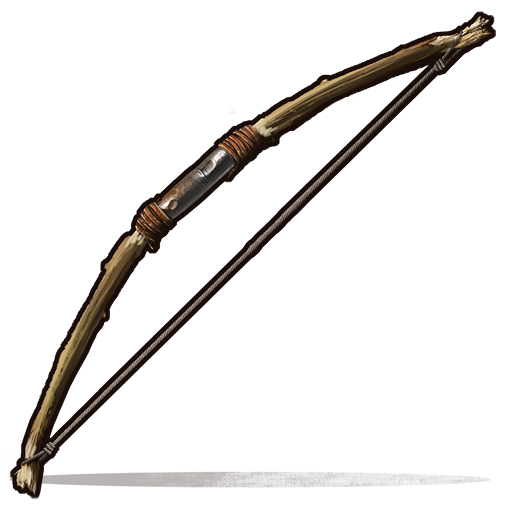
Safety and target considerations for distant shots demand a disciplined approach:
- Backstop quality to absorb misjudged shots and prevent ricochet
- Clear target identification and a safe zone beyond the aim line to protect bystanders
- Wind and terrain awareness at range to anticipate subtle shifts
With these elements aligned, the distance becomes a measured arc rather than a gamble.
Shot technique and ethics in distant hunting
Stable stance and form for precision shots
Across the South African veld, seven out of ten distant shots stumble before the arrow clears the string, a sobering reminder that luck favours a steady, calculated stance over flash and bravado.
A stable stance locks your equilibrium: feet shoulder-width apart, weight on the back foot, hips square, and spine tall. Between wind and distance, success hinges on precise form for bow hunting distance.
Ethics keep the sport honest: know the land, respect game, and ensure a clear backdrop to prevent needless wounding. In distant shots, humility guards the hunt and the hunter alike.
Anchor point, aim, and release timing
Anchor point, aim, and release timing decide the outcome at bow hunting distance. The anchor point stays steady, the sight picture clear, and the release timed to a calm exhale. In the veld, distance punishes haste and rewards disciplined rhythm more than bravado ever could.
Ethics accompany distance shots: know the land, identify a safe backdrop, and ensure a clean opportunity. Humility matters when the wind holds its breath and the target seems elusive; a prudent hunter waits for clarity rather than chasing a boastful shot.
- Ethical backdrop and safe lanes are a constant consideration, not a mere afterthought.
- The anchor, breath, and timing become the hunter’s quiet language in the field.
- When conditions change, wisdom prefers patience over spectacle.
Shot sequence, follow-through, and mental focus
Seven in ten distant bow shots hinge on breath, and technique unfolds as a quiet ritual! Breath, anchor, and aim form a steady cadence, and I stay ready for release. In the veld, bow hunting distance is a teacher, not a dare, letting the shot sequence—draw, align, release—flow with calm authority. Follow-through carries intention long after the arrow leaves the string.
- Shot sequence: draw, align, release with calm cadence.
- Follow-through: maintain quiet shoulders and steady eyes.
- Mental focus: breathe, reset, and return to the line.
Ethics guide every decision, with safe backdrops and clear opportunities. The quiet language of anchor, breath, and timing becomes my compass in bow hunting distance; patience rules when wind holds its breath and the target seems elusive. Humility keeps tradition alive in the fading light.
Ethical distance thresholds and risk assessment
Distance lures with the poetry of range, but the drama remains ethical, measured, and unmistakably South African in its restraint. In the veld, bow hunting distance isn’t simply a number—it’s a moral barometer that tests judgment as surely as a wary springbok tests wind. The quiet truth is that you pull the trigger only when the moment, the quarry, and the backdrop align; otherwise, the risk isn’t just a miss, but a misstep that hums through your conscience long after the arrow sails.
Ethical distance thresholds and risk assessment hinge on core values:
- Safety and clear backdrops
- Fair chase and respect for the quarry
- Conservation of habitat and resources
- Honest appraisal of line of sight and potential outcomes
Harvest planning and post-shot recovery strategies
“Distance is mercy,” whispers the wind over the South African veld, and the bow hunting distance becomes a moral compass rather than a statistic. Shot technique becomes restraint—wind weighed, breath steady, draw calm, release clean—so the quarry meets mercy, and the land keeps its dignity.
- humane consideration of the quarry
- careful, quiet retrieval within ethical bounds
- habitat preservation as a guiding principle
From the horizon’s edge, the field offers a verdict—echo of choice outlasting the arrow. The bow hunting distance is a line drawn in dust, reminding the conscience that every hunt weighs on memory and the veld.
Environmental and hunting condition factors
Wind drift, humidity, and air density effects
Environmental conditions are the hidden governors of bow hunting distance. Wind drift is the sneaky force that shapes an arrow’s fate—crosswinds can push a shaft off line, turning a clean hit into uncertainty. In South Africa’s veld, even modest gusts demand respect from the archer.
Key atmospheric players on the day include:
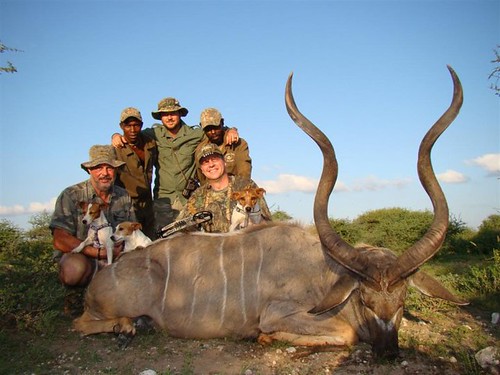
- Wind drift: crosswinds and gusts alter the arrow’s trajectory, especially at longer ranges.
- Humidity: higher moisture can tweak drag and perception of distance by a fraction of a second.
- Air density: cooler air or higher altitude thickens the flight path, slowing arrows slightly and changing timing.
Keep an eye on the barometer and the wind sock, because distance isn’t fixed; it’s a dialogue with the air.
Light, shadow, and visibility considerations
In the South African veld, light stalks the hunter like a revenant, creeping through grass and thorn. Visibility is a fickle ally; what the eye discerns at noon can blur at dusk, bending bow hunting distance with every flicker of shade. The low sun casts long shadows across open flats, turning familiar shapes into wary silhouettes and inviting misreads from even the steadiest hand.
Consider these light, shadow, and visibility factors on the stalk:
- Light angle and glare reaching across the savanna can wash out contrast and blur the target’s edge.
- Shadowed patches obscure movement, making a wary animal read as a phantom before the aim settles.
- Dust, humidity, and haze mute detail and alter perceived range, especially as the day tires on.
As night approaches, perception tightens to a few breaths and a heartbeat; distance becomes a living measure, shaped by sun, shade, and the archer’s patience!
Terrain, shot angle, and line of travel considerations
Terrain is the canvas on which bow hunting distance is measured; the land seldom cooperates in a straight line. In the South African veld, rise and fall sculpt the distance as surely as compass azimuth. The familiar becomes elusive when ground tilts, wind slips through scrub, and light pockets the horizon with shade. Perception must be read as much as sight, measuring distance with patience as much as meters.
Shot angle and line of travel matter; a high-angled shot or a reverse slope can compress the apparent distance, while a low, level approach can exaggerate it. Obstacles drift through the sight path—branches, grasses, and micro-relief—forcing the archer to reinterpret distance mid-aim. The aim becomes a dialogue between the bow, the target, and the terrain itself, shaping bow hunting distance in real time.
Seasonal factors and habitat influence on distance decisions
“Distance is a conversation between wind, shadow, and intent.” In the South African veld, bow hunting distance isn’t a fixed line but a living measure that shifts with season and habitat, demanding patience and a keen eye.
Seasonal factors and habitat shape distance decisions. Dry grasses, damp leaves, and changing light alter apparent range, while ground moisture and scent carry differently. Consider these influences as you gauge bow hunting distance:
- Vegetation density and ground cover that shifts through the year
- Altered game movement and daylight hours across seasons
- Soil moisture, wind pockets, and scent carry variations
Across fynbos, savanna, and riverine stretches, sun angle and terrain texture redraw the horizon. The bow hunting distance between hunter and quarry becomes a narrative—one that asks for awareness, cadence, and a respectful pace with the land.
Temperature and altitude effects on bow velocity
The veld is a living barometer, turning with dawn frost and noonday heat. Temperature and altitude sculpt bow velocity, bending the bow hunting distance you anticipate on every stalk. In the veld, a three-degree swing can tilt the range, and air weighs differently from the highveld to the coast, so each shot writes its own arithmetic of drag and momentum!
- Cooler air increases air density, trimming velocity as the arrow barrels through thicker air.
- Higher altitude thins the air, reducing drag and letting velocity cling longer to its prime.
- Temperature shifts subtly tune string and limb performance; extreme cold can dampen rebound, softening velocity.
Let these forces anchor your sense of distance as you walk the line between shadow and light, knowing bow hunting distance is a conversation with air, not a stubborn fixed metric.