
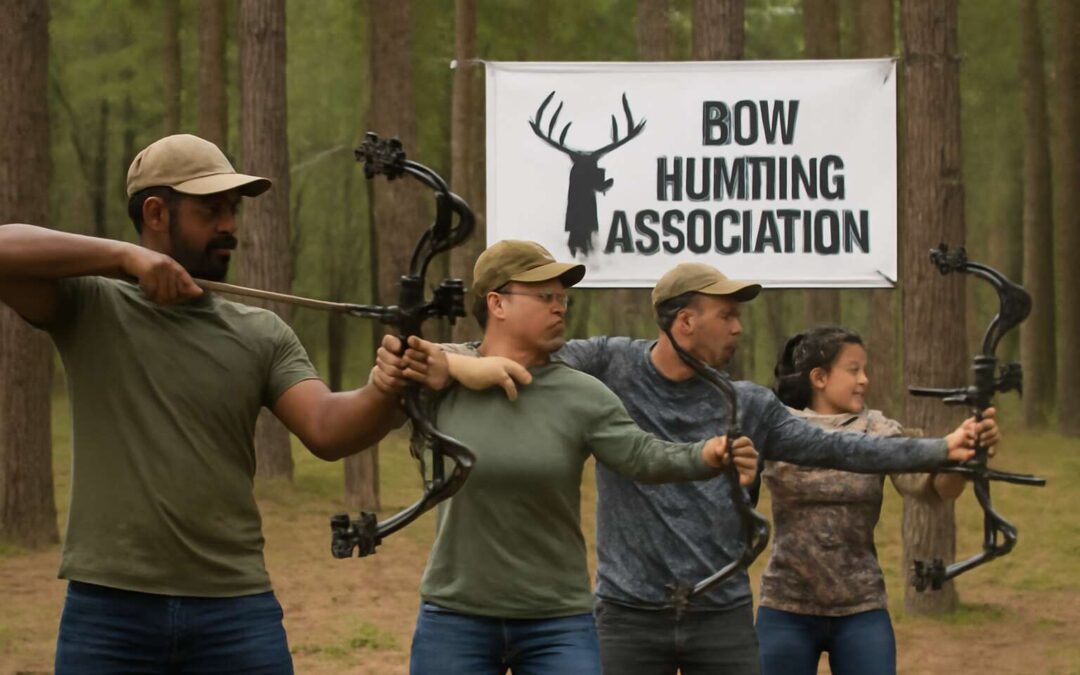
Understanding the landscape of archery organizations
What are bow hunting associations
South Africa’s archery scene is a colorful mosaic, and clubs glue the whole thing together. Roughly 60% of recreational archers participate in organized groups, turning practice into camaraderie. Understanding this landscape helps you pick the right circles to join and stay sharp.
Here’s how the landscape typically breaks down:
- National governing bodies for safety and event rules
- Regional clubs and ranges for shoots and coaching
- bow hunting associations and conservation groups for sport and habitat stewardship
Within that mix, your choice should hinge on goals: competition, recreation, or responsible hunting ethics. These groups pepper the country with ranges, coaching, and gear swaps; it’s a community, not just a sport.
Short on formality, big on fellowship, South African archers find a home among people who take arrows seriously—without taking themselves too seriously.
Key differences between clubs, leagues and federations
Across South Africa’s sunlit ranges, the landscape of archery organizations unfolds like a living map. Local clubs, regional leagues, and national safety bodies knit together a culture where practice becomes fellowship and every arrow whispers tradition within bow hunting associations. Understanding this spectrum helps readers see how skill, ethics, and habitat care join in one enduring rhythm.
- Local clubs: cozy hubs for coaching, social shoots, and skill-building under welcoming skies!
- Regional leagues: structured fixtures and rankings that sharpen focus and consistency.
- Federations and conservation groups: national rules and habitat stewardship tempering passion with responsibility.
In this tapestry, South Africa’s archery heart keeps time with purpose.
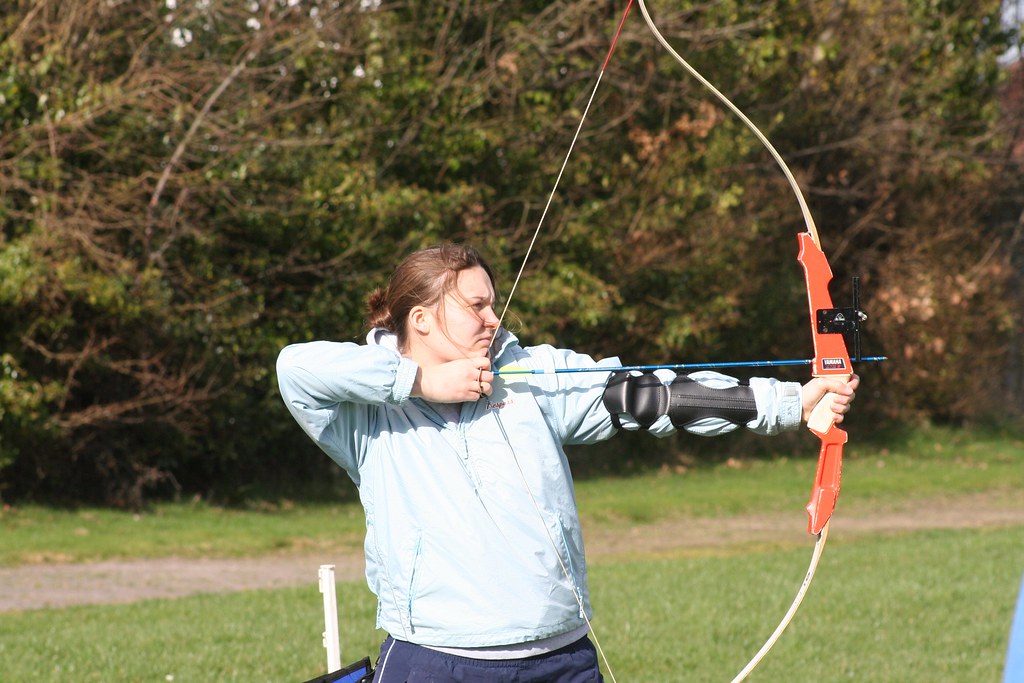
Roles of regional and national organizations
‘The bow writes history in the wind,’ a veteran guide once said, and the landscape of archery in South Africa proves it. Understanding how regional and national bodies interact helps me see how skill, ethics, and habitat care are nurtured. Bow hunting associations anchor practice in safety, mentorship, and community stewardship, expanding beyond weekly shoots into habitat care.
Regional leagues keep rhythm with fixtures, while national organizations set safety standards and coordinate conservation programs. Within this ecosystem, roles include:
- Coaching standards and local development pathways
- Competition calendars and fair rankings
- Habitat stewardship and wildlife safety guidelines
From the paddock to a city hall boardroom, these structures shape who we become as members of bow hunting associations. The journey is not only about marks or miles but about respect for land and for each other, a rhythm that keeps our South African archery heart honest and hopeful.
How associations support ethics and safety
“Ethics are the target you never miss,” a veteran coach once said. In South Africa, the archery landscape is stitched together by bow hunting associations that guide new hands and seasoned hands toward safety, skill, and respect for the land—turning practice into a shared covenant.
Bow hunting associations weave clubs, regional leagues, and national bodies into a living network, stewarding not just targets but conduct, training pathways, and wildlife-safety guidelines that keep participants accountable to one another and to the landscape. This collaboration grows confidence in the sport and trust in the rules that protect all.
Within this ecosystem, three enduring streams shape how members show up on the field:
- Mentorship networks that pass on technique, ethics, and safety habits
- Environmental partnerships that fund habitat restoration and awareness
- Transparent competition governance that maintains fairness and trust
Membership and community within bow hunting associations
Membership tiers and eligibility
Community isn’t a slogan here—it’s the structure that keeps bow hunting associations thriving. In South Africa, a veteran hunter notes, “community is the edge between a hobby and a discipline.” Active members attend regional shoots, skill clinics, and harvest-sharing chats, turning solitary practice into a shared craft that lasts beyond the hunting season.
Membership tiers and eligibility vary, but most clubs offer junior, adult, and family memberships, with a life member option for longtime contributors. Eligibility often requires age, dues, and agreement to a code of conduct; in some regions a current member can sponsor newcomers. Members gain access to forums, clinics, and local events that knit the community, and the politics of clubs—where to host shoots, how money is spent—shape daily life as surely as any season.
Engagement opportunities include:
- Mentorship programs
- Regional shoots and training days
- Volunteer committees on events and outreach
Benefits of joining a bow hunting association
“Community is the edge between a hobby and a discipline,” a South African veteran hunter often says. In bow hunting associations, that saying isn’t decoration—it’s the operating system. Join and you enter a network that makes ethics, safety, and skill feel seasonal, year-round.
Membership in bow hunting associations is more than a card; it’s access to practical growth. You trade solitary practice for mentorship, regional shoots and training days, and harvest-sharing chats that turn a hobby into disciplined craft. You also gain forums, local events, and governance opportunities that shape the sport you love.
Engagement opportunities include:
- Mentorship programs
- Regional shoots and training days
- Volunteer committees on events and outreach
These threads knit a community that outlasts the season and sharpens every shot.
Volunteer opportunities and leadership paths
Nearly 80 percent of new bow hunters in South Africa who join bow hunting associations stay engaged beyond their first season. The statistic whispers what the rest of us feel: belonging powers practice, and practice becomes artistry within a living circle. In these bow hunting associations, the compass becomes a chorus, guiding curiosity into glow, and every practice round feels seasonal—and year-round at heart!
Membership is more than a card; it’s entry into a village with local chapters, gatherings, and chats that fuse lone drills into disciplined craft. Across South Africa’s variegated landscapes, members mentor one another, celebrate small wins, and steward a culture that respects the animal, the land, and the craft.
Volunteer opportunities and leadership paths unfold like branches: regional ambassadors, governance councils, youth outreach champions, and project liaisons who steer events and education.
Community events and member networking
In South Africa’s bow hunting circles, community is the secret muscle behind skill; roughly 76% of active members say events keep them engaged long after their first season.
Membership isn’t a card; it’s entry into a village of local chapters, gatherings, and chats that turn solo drills into disciplined craft. Within bow hunting associations, members mentor one another across SA’s diverse landscapes.
- Training days and range rounds
- Member socials and field days
- Mentor-mentee matchups
- Youth and newcomer meetups
From bridge-building dinners to gear swap days, community events and member networking weave the fabric of a living circle.
Programs, events, and education
Certification and safety training
In the quiet before dawn, the bow hums with potential—an ancient craft sharpened by bow hunting associations that turn instinct into technique. A veteran mentor once said, “Skill is a tradition handed down through practice and patience.”
Programs and events span from hands-on safety workshops to field days that blend tracking with marksmanship. Certification and safety training are woven into every offering, ensuring newcomers and seasoned archers share a common standard. Programs typically include:
- Foundational safety and equipment handling
- Range etiquette and marksmanship clinics
- Conservation-minded ethics and wildlife knowledge
Whether online modules or in-person clinics, education here goes beyond tips—it’s a pathway to responsibility and mastery within the archery community. This is the heartbeat of bow hunting associations in South Africa, echoing through towns and fields where practice meets policy. These sessions fuel confidence on the stalk and in the stand, aligning practice with policy, sport, and heritage.
Skill development workshops
“Education turns instinct into discipline,” a veteran mentor in South Africa likes to say, and bow hunting associations prove it every season. Programs and events span safety refreshers, hands-on clinics, and field days that blend tracking with marksmanship. Certification and safety training thread through every offering, ensuring newcomers and seasoned archers share a common standard. Skill development here is a living tradition—practical, aspirational, and distinctly South African.
- Draw technique and stance masterclasses
- Arrow tuning and equipment optimization sessions
- Field-day clinics blending stalking, wind sense, and shot sequencing
These experiences transform practice into confidence on both the stalk and the stand, weaving education into the fabric of South Africa’s archery scene.
Tournaments and sanctioned events
Across South Africa, bow hunting associations coordinate a calendar that turns practice into performance. Programs, events, and education converge to turn instinct into discipline, pairing safety with skill. The result is a season where nerves settle and focus sharpens—a test of patience, precision, and character.
Within these ecosystems, tournaments and sanctioned events run on common standards and transparent judging.
- Regional championships that feed into national rounds
- Junior, amateur, and open divisions to welcome diverse skill levels
- Consistent scoring, protocol, and equipment checks to protect fairness
Participation yields more than accolades; it forges community and a shared ethic that travels beyond the field. This is the quiet power of bow hunting associations, shaping character as reliably as any shot.
Mentorship and youth programs
“The best arrows fly from patient hands,” a veteran mentor likes to say. I’ve watched new archers find their pace under that patience. In South Africa, bow hunting associations channel curiosity into competence through formal mentorship and youth programs that travel beyond weekend practice. These initiatives pair experienced archers with newcomers, turning a single tip into a steady habit and a shared language of safety and respect.
From junior leagues to apprentice paths, these programs weave education into real-field experience. They foster leadership, teach ethical hunting, and open doors to scholarships or internships within the bow hunting associations ecosystem. Mentors guide hands-on clinics, safety drills, and field days that connect classroom knowledge with the textures of the outdoors.
- Mentorship evenings and hands-on coaching with seasoned archers
- Youth clinics focusing on safety, form, and ethics
- School and community partnerships to introduce bow hunting basics
- Equipment fitting and maintenance workshops
Advocacy, ethics, and conservation
Ethical hunting practices and guidelines
The forest keeps its counsel when the bow is drawn—the quiet mercy that guides every arrow. Within bow hunting associations, advocacy for habitat protection, wildlife welfare, and responsible stewardship shapes every policy and program. Ethical hunting practices and conservation aren’t extras; they are the backbone that lets this tradition endure in South Africa’s diverse landscapes.
- Respect for wildlife and habitat; fair chase as a guiding principle rather than a slogan.
- Compliance with South African laws, transparent harvest reporting, and accountable practices.
- Commitment to safety, mentorship, and safeguarding future generations of archers.
From classrooms to clouting events, bow hunting associations weave advocacy into everyday life—funding conservation, influencing policy, and preserving a heritage where the wind carries both challenge and conscience.
Conservation partnerships and habitat protection
Across South Africa’s sweeping savannas and verdant forest edges, the wind carries a pledge of stewardship. Bow hunting associations translate that vow into action, guiding habitat protection and wildlife welfare with ethics as a compass. This isn’t rhetoric; it’s a lived tradition that sustains the landscape and the communities tasked with its guardianship!
- Partnerships with landowners and conservation authorities to safeguard critical habitats
- Transparent wildlife welfare standards and monitoring programs
- Education and mentoring for youth and new archers to nurture future stewards
Advocacy, ethics, and conservation weave through every initiative, from habitat restoration funds to policy dialogues that shape the harvest’s footprint. The result is a resilient, shared heritage where the wind carries both challenge and conscience.
Policy advocacy at local and national levels
The wind carries a pledge: stewardship that outlasts seasons. In South Africa, 78% of landowners say transparent welfare standards guide partnerships, and bow hunting associations sit at the table where policy and practice converge. This is more than rhetoric; it is a living creed that honors habitat and humane harvest.
Advocacy at local and national levels becomes a chorus of reason and resolve: we champion policy dialogues, demand accountability, and tether ethics to every proposal. They translate field experience into statutory clarity, ensuring harvest footprints respect ecosystems and communities alike.
- Local councils, land-use boards, and game management agencies
- National wildlife authorities and parliamentary committees
- Conservation groups, landowners, and rural communities
- Youth programs and training networks that sustain the next generation of stewards
Ethics and conservation weave through every negotiation; bow hunting associations remain a shared obligation, and policy dialogues become open forums for durable stewardship!
Responsible use of bow hunting equipment
Stewardship outlives seasons, and in South Africa, 8 in 10 landowners now demand transparent standards at every partnership. Responsible use of bow hunting equipment threads through every decision—habitat protection, humane harvest, and public trust. Within bow hunting associations, advocates shape norms that honor the land and the people who steward it.
Advocacy becomes quiet, patient work—dialogues that translate field experience into dependable standards and durable ethics.
- Habitat stewardship and safety-first ethos
- Maintenance transparency and gear integrity
- Education on humane harvest ethics
Through these channels, the movement sustains a shared ethic that protects habitat, respects communities, and keeps the sport trustworthy.
Finding and choosing a bow hunting association
Evaluating reputation and accreditation
In South Africa, more than 60% of new bow hunters say credibility is their first concern when choosing an association. The choice should feel like stepping into a steady beacon—clear, principled, and like a compass in a storm.
Finding one that stands up to scrutiny means looking beyond slick brochures. Evaluate reputation and accreditation by checking governance transparency, safety records, and rule enforcement. A reputable body publishes annual reports, welcomes independent audits, and offers ethics guidelines.
- Clear code of ethics publicly posted
- Verified safety training and certification standards
- Open, audited financials and governance structure
- Active member feedback channels and dispute resolution
- Publicly available event outcomes and sanctioning history
Together, these signals align with bow hunting associations that respect tradition while protecting future hunts in South Africa.
How to compare dues, benefits, and resources
In South Africa, more than 60% of new bow hunters say credibility is their first concern when choosing an association. The right bow hunting associations glow like a steadfast beacon—clear, principled, and guiding like a compass in a storm. When you weigh your options, let the numbers meet the character of the organization.
To weigh dues, benefits, and resources, map the cost against what you actually gain. Look for transparent pricing, what each tier includes, and how renewal works. Consider access to expert guidance, member networks, and practical tools that travel with you beyond the field.
- Transparent pricing and value-packed benefits
- Access to member libraries, regional advisories, and tools
- Flexible membership tiers and renewal options
Find the alignment that respects your hunting landscape and local conservation goals—letting bow hunting associations illuminate your path in South Africa.
Finding regional clubs and online communities
In South Africa, more than 60% of new bow hunters say credibility is their first concern when choosing bow hunting associations. Finding and choosing this kind of partner can feel like stepping into a twilight valley, where regional clubs and online communities illuminate different paths. A steady compass is essential, guiding your choices toward shared values, local seasons, and a commitment to conservation!
Finding regional clubs and online communities is about resonance and reach:
- Local chapters with season-specific experiences
- Active online spaces, calendars, and photo galleries
- Mentor-minded communities that welcome new archers
I’ve wandered through regional gatherings and online forums, and the right match feels like family: it respects your land, your season, and your craft. The best regional clusters and online communities raise the bar, carrying practical tools, safety-minded dialogue, and a shared vow to conservation.
Tips for joining and getting involved early
In South Africa, credibility isn’t a buzzword—it’s the compass guiding choices among bow hunting associations. The right group aligns with local seasons, conservation commitments, and a safety‑first mindset. Look for chapters with hands-on coaching, transparent ethics, and a welcoming approach to newcomers. When the fit feels right, participation becomes natural rather than daunting, turning hunting into a shared craft rather than a solitary pursuit. Early involvement matters, because curiosity fades quickly without practical entry points!
- Attend an open practice or meet-and-greet with mentors
- Introduce yourself in the club forum or social space
- Complete the required safety and ethics brief before a hands-on session
Focus on progression: identify mentorship opportunities, volunteer on habitat projects, and keep an eye on the regional events calendar. Ask about youth programs or range etiquette guidelines to ensure alignment with conservation objectives and respect for the land.
Resources, media, and continuing education
Publications, journals, and newsletters
“Knowledge saves more hunters than any talisman,” a saying whispered at dawn among bow hunters. In bow hunting associations, a living archive sits at the heart of practice: safety updates, ethics guidelines, and habitat notes that steer skill across South Africa’s wild places. The echo is alive: education shapes restraint and courage alike.
Within these pages, resources, media, and continuing education publications unfold in multiple formats, letting you stay current without leaving the veld.
- Publications: peer-reviewed journals and seasonal newsletters
- Media: podcasts, video tutorials, and archival field footage
- Continuing education: webinars, regional seminars, and certificate programs
- Archives: safety bulletins, best-practice manuals, and conservation reports
From peer-reviewed journals to member newsletters and multimedia programs, access flows through a simple portal. These channels kindle ongoing learning, thoughtful discourse, and practical refinement that honors wildlife and tradition.
Online training modules and webinars
A razor-sharp edge in the veld is knowledge, not a blade. In South Africa, the heartbeat of bow hunting associations is their online education spine, delivering safety updates, ethics reminders, and habitat notes with a wink and a whistle.
Online training modules and webinars keep members current without leaving the stand. From safety refreshers to ethical decision-making, these programs slot neatly into busy seasonal calendars, turning spare hours into practical skill and savvy decision-making.
- Online training modules
- Webinars
- Certificate programs
The portal flexes access through a simple interface, linking resources, media, and continuing education into one flow. This ecosystem empowers thoughtful discourse, practical refinement, and responsible respect for wildlife—hallmarks of the tradition and safety ethos that define the sport.
Podcasts, blogs, and community forums
Across South Africa, more than 60% of bow hunters turn to podcasts and blogs before stepping into the veld, a testament to learning as a companion. In this landscape, bow hunting associations curate a living library—resources, media, and continuing education that keep safety, ethics, and habitat stewardship in clear view.
Their podcast series, blog posts, and vibrant community forums invite voices from seasoned mentors to eager newcomers, weaving practical wisdom into every season.
- Podcasts: interviews with field experts
- Blogs: scenario-based guidance and ethics debates
- Forums: regional tips and peer support
Together, the portal links audios, articles, and discussions into one flowing stream, turning spare moments into a school of practical insight for these organizations and the people who sustain them.
Gear reviews and safety guides
More than 60% of bow hunters in South Africa consult gear reviews and safety guides before stepping into the veld, turning cautious curiosity into a compass that never sleeps. Resources, media, and continuing education steered by bow hunting associations become a living library, keeping ethics, safety, and habitat stewardship in clear sight.
Within this ecosystem, bow hunting associations curate portals where seasoned mentors mingle with eager newcomers, weaving practical wisdom into every season. The emphasis is on accessible, human guidance—medias that respect tradition while inviting fresh perspectives to the firing line.
- Gear reviews that illuminate bow setups, strings, and harnesses for varied SA terrains
- Safety guides that ground practice in respectful, responsible hunting
- Online training modules and webinars that advance knowledge beyond the stump
Across podcasts, videos, and written pieces, the stream of resources and education travels as a single rhythm—an ever-flowing cadence that sustains the community and its craft within bow hunting associations.