
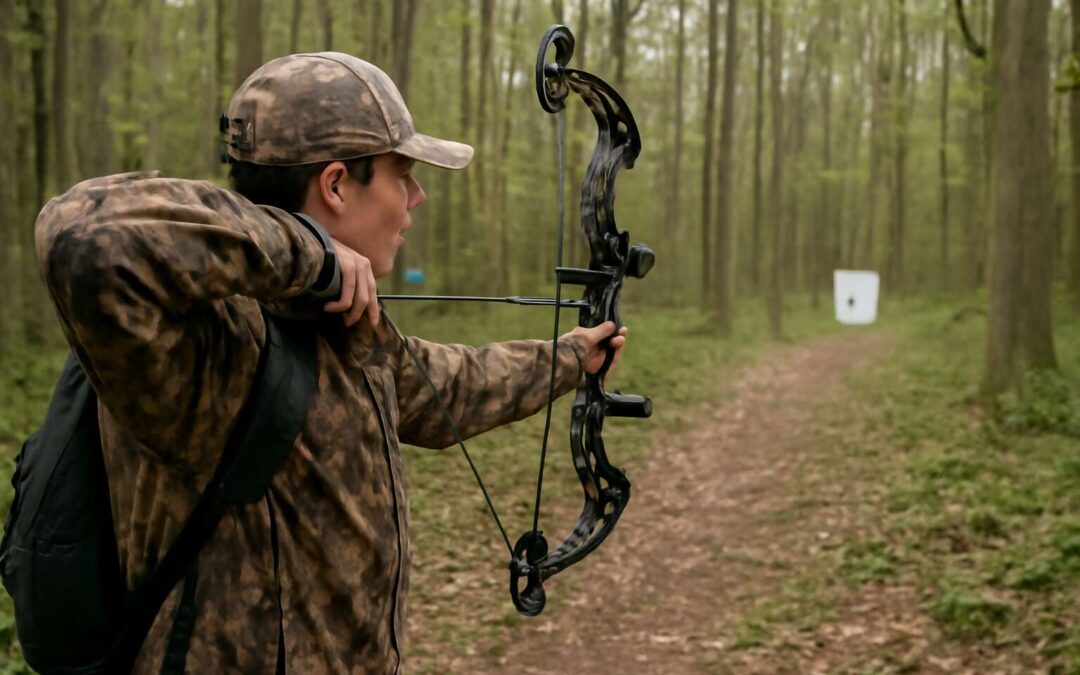
Connecticut Bowhunting Education Overview
What a CT bowhunting program covers
Fieldcraft demands more than bravado; it needs a plan. In Connecticut, the bow hunting course ct turns hesitant beginners into meticulous fieldhands—“practice makes safer,” as one instructor likes to quip.
Expect safety drills, gear handling, ethics, legal basics, and wildlife recognition—the essentials folded into real-season scenarios so you’re not startled by a deer step-out at sunrise.

- Safety and range discipline
- Equipment selection and maintenance
- Shot placement and ethics
- Habitat, species, and regulation awareness
For readers in South Africa, the CT framework feels familiar—solid structure, concise lessons, and a touch of wit that keeps the process engaging rather than a slog.
Who should enroll in CT bowhunting education
“Practice makes safer,” an instructor likes to say, and that punchy line sticks as CT bowhunting education opens for newcomers. This bow hunting course ct invites hesitant hunters to trade guesswork for a measured, humane rhythm in the field.
Who should enroll in this CT program? A broad mix finds value in the framework.
- First-time bowhunters seeking a patient, step-by-step foundation
- Experienced archers transitioning from other methods
- Outdoor enthusiasts desiring stronger field instincts and camaraderie
For readers in South Africa, the CT framework feels familiar—clear milestones and brisk pacing.
That bow hunting course ct emphasizes practical planning at every turn.
In short, the Connecticut education overview welcomes newcomers, outdoorsfolk, and curious learners who value discipline, mentorship, and respect for the land.
Prerequisites and enrollment steps for CT archery education
“Practice makes safer,” an instructor likes to say, and that line anchors the prerequisites of the CT bowhunting education. Entry hinges on safety, basic eligibility, and a mandatory orientation before any field work begins.
Enrollment steps for the CT archery education are clear and practical!
- Confirm eligibility (age, licensing) and gather ID.
- Complete the safety orientation and submit the enrollment form.
- Choose a course format and schedule hands-on sessions.
For readers in South Africa, the Connecticut framework translates into familiar milestones and brisk pacing, pairing disciplined practice with mentorship and respect for the land. This bow hunting course ct aligns with real-world hunting ethics.
Benefits of completing a bowhunting education in Connecticut
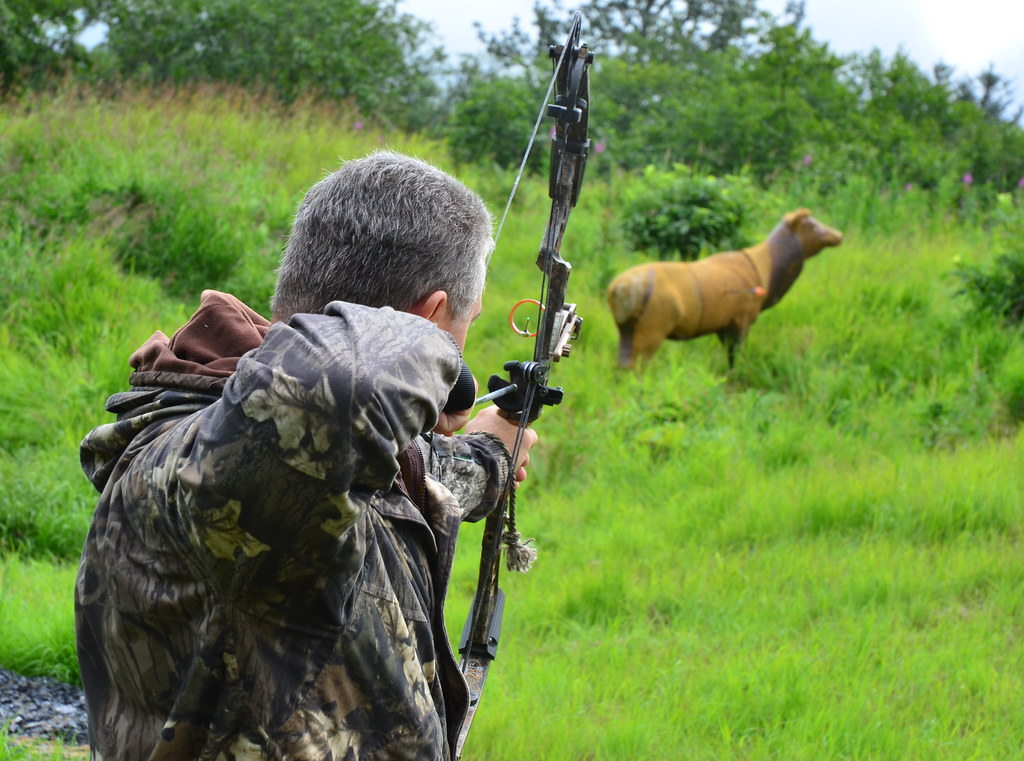
Connecticut’s bow hunting education opens with a practical promise: safety, skill, and stewardship interwoven into every session. The bow hunting course ct is designed to translate disciplined practice into real-world poise, so learners walk field-ready with confidence and clarity. In a state where hunting ethics matter as much as aim, this program delivers a clear, respectful path forward.
- A safety-first framework that anchors every lesson and field session.
- Mentor-led instruction that blends technique with land stewardship.
- Clear, ethical hunting concepts aligned with Connecticut regulations.
- Practical, hands-on skills that translate to any hunting terrain.
For readers in South Africa, the Connecticut framework translates into familiar milestones, pairing mentorship with disciplined progress and a deep respect for the land.
Safety and Responsible Practice in CT Bowhunting
Safety protocols and field etiquette
Across hunting landscapes, a single moment decides the morning. “Safety isn’t a rule—it’s a habit,” a veteran hunter once told me. In CT bowhunting safety protocols, we learn to treat each draw as a vow to others and to the wild we pursue, a discipline that travels with you from stand to stand and back into quiet daylight.
Field etiquette grows from restraint and respect—yielding space, communicating intentions, and leaving no trace. For readers in South Africa and Connecticut alike, the responsibility remains the same: keep others safe and the landscape fair.
- Respect for landowners and other users
- Clear, quiet communication on the line
- Minimal impact and ethical harvest
In a bow hunting course ct, the emphasis on responsible practice shapes how we move through a morning and how we regard the hunt itself. The training is less about conquest and more about stewardship, humility before the creature and the terrain.
Equipment handling and maintenance
Morning light holds its breath on the field, and a single slip can echo louder than a dawn shout. A nick in a cam, a frayed string, or a loose nock can betray a hunter before the first arrow leaves. In bow hunting course ct, equipment responsibility threads through every draw and stance—the vow to protect others and the land.
Handling and maintenance are discipline, not chores. I’ve learned that regular checks of limbs, string, cables, and sights keep accuracy sharp and danger distant. The habit travels with you from stand to stand, turning gear into a trusted partner.
- Inspect for wear after outings
- Store in a climate-controlled case
- Lubricate moving parts sparingly
Across South Africa and Connecticut, safety and stewardship remain constant—the quiet courage of a hunter who respects gear and terrain.
Ethics, shot selection, and quarry respect
First light cuts the field like a line drawn by conscience; ethics are the true armor in bowhunting. In the bow hunting course ct, craft is learned as much from reverence for life as from aim. “Every arrow is a vote for how we treat the world.”
Safety and responsible practice flow into shot selection and quarry respect, a single, living ethic rather than a checklist.
- Quarry respect—honor the life pursued and protect habitat
- Ethical decision-making—prioritize humane outcomes over excitement
- Safety-first culture—bystanders and terrain come first
Across South Africa and Connecticut, the discipline ties land and hunter in a shared covenant.
Legal Framework and Licensing for CT Archery Hunters
State hunting laws applicable to archery
Rules are the backbone of the hunt. In Connecticut, the legal framework for archery hunts is clear and enforceable. The DEEP sets seasons, licensing, tagging, and safety standards to keep hunts fair and safe. A solid bow hunting course ct doesn’t just teach technique—it teaches how the law shapes every shot.
Understanding these elements helps you stay compliant and ready.
- Hunting license and any archery-specific permit required
- Species-season and bag limit rules to prevent overharvest
- Tagging, reporting, and equipment standards that govern practice and harvest
Staying current with licensing, tagging, and season rules isn’t optional—it sustains responsible hunting and keeps doors open for the future. The program aims to keep you on the right side of the law while you hone your craft.
Licensing, permits, and seasons in Connecticut
Every arrow should land within the letter of the law, and Connecticut’s framework makes that possible. The DEEP sets the calendars, licenses, tagging, and safety standards that shape every hunt. A bow hunting course ct not only hones draw length and accuracy—it clarifies how licensing and seasons choreograph your shot. Staying aligned with these rules keeps hunts fair and respectful, and it preserves access for future generations.
- Hunting license and any archery-specific permits required
- Species-season and bag limits to prevent overharvest
- Tagging, reporting, and equipment standards that govern practice and harvest
- Season dates, zones, and reporting timelines to stay compliant
With clarity comes confidence, and confidence translates to better decisions in the field.
For South African readers, this CT approach echoes the universal duty to hunt responsibly.
Age, competency, and certification requirements
In Connecticut, the legal framework is the quiet guide that turns draw weight into discipline and safety into habit. The bow hunting course ct maps age eligibility, competency standards, and certification paths that unlock licenses and permits, while keeping the field fair and the harvest sustainable.
- Age eligibility and the pathway to official licenses
- Mandatory safety education and competency assessments
- Certification steps toward state licenses and archery permits
For South African readers, the Connecticut approach feels universal: rules exist to honor the animal, the hunter, and the land. The framework shapes confident decisions in the field.
Harvest reporting and wildlife conservation basics
In Connecticut, none of the drama happens without a ledger. As Aldo Leopold wrote, ‘A thing is right when it tends to preserve the integrity, stability, and beauty of the biotic community.’ The bow hunting course ct places licensing and harvest into that same framework, where respect for land shapes every decision.
CT’s legal framework centers on licensing and harvest reporting, with wildlife conservation woven through every permit and measure. The framework ensures fair play, responsible harvest, and habitat stewardship.
- Licensing and permits
- Harvest reporting
- Habitat and conservation funding
For South African readers, the Connecticut example feels universal: law, record-keeping, and conservation funds work together to honor the animal, the hunter, and the land. The bow hunting course ct thus becomes a doorway into a system that sustains both populations and traditions.
Hunter education pathways in CT
A single permit can anchor a season as surely as a bowstring anchors an arrow! In Connecticut, the legal framework binds licensing to harvest reporting, weaving conservation into every decision.
The bow hunting course ct invites you into hunter education pathways that align with the law, ensuring fair play and habitat stewardship. Harvest reporting remains the ledger that honors the animal and the land.
- State-approved hunter education programs
- Archery safety components and practical training
- Licensing processes and required documentation
For readers in South Africa, the CT model feels universal: law, record-keeping, and conservation funds sustaining both populations and traditions. That spirit echoes through every archery encounter.
Practical Training: Skills, Drills, and Certification Pathways
Fundamental stance, draw, and anchor techniques
“Consistency is the invisible win,” a seasoned CT instructor likes to say. In the bow hunting course ct, practice backs this up—most early misses trace to form, not luck. South African archers visiting CT tell me their confidence spikes when the anchor slots into place. I’ve watched jittery students lock onto a simple stance and calm their breathing like a garden fountain.
Practical training centers on fundamental stance, draw, and anchor techniques, with emphasis on safe, repeatable form. The bow hunting course ct program blends these elements into a practical path, linking skills, drills, and certification pathways into one coherent rhythm without jargon.
Key drills include:
- Stance and alignment checks for consistency
- Draw-length and anchor-point monitoring for repeatable reference
- Release awareness and follow-through mindset
Certification pathways unfold as a clear arc—from range days to formal assessments—ready to align with South African hunters seeking CT-style discipline and adventure.
Accuracy drills, shot vision, and judgment
Practical Training: Skills, Drills, and Certification Pathways fuse safety with satisfaction in a way that makes a weekend course feel like a sneak peek into fieldcraft. In the bow hunting course ct, we orbit around accuracy, temperament, and repeatable routines. The hook? repeatable form collapses the margin for error, turning nerves into a calm, deliberate release—an edge South African hunters appreciate when the wind rustles the grass.
- Accuracy drills map sight picture to anchor and target at varied distances.
- Shot vision exercises train eye and mind to read trajectory and adjust smoothly.
- Judgment drills sharpen quarry assessment, timing, and ethical decision-making under pressure.
Certification pathways unfold with range days and formal assessments, neatly aligned with CT-style discipline and hunting seasons in South Africa. The route is transparent: documented practice and a final evaluation that confirms readiness.
Field exercises: hunting scenarios and ethics
Every hunt writes a story in your breath—one heartbeat between risk and reward. Calm under pressure isn’t luck; it’s a practiced state. As one veteran bowhunter puts it, “Calm is the edge.” That edge reveals itself in the field long before the first shot.

In a bow hunting course ct, field exercises stage authentic scenarios—from stalking to ethical decision-making under wind and light. These sessions fuse hunting temperament with procedural discipline, turning nerves into deliberate rhythm. We embed ethics and quarry respect at the center of every drill.
- Hunting scenarios that demand situational awareness and rapid judgment
- Ethics under pressure, including safe target assessment and humane harvest decisions
Graduation hinges on practical evaluation, documenting the ability to read terrain, manage gear, and maintain safety while honoring local wildlife codes.
Course structure, scheduling, and pricing options
Calm hands, sharp eyes, steady breath—statistics say trained bow shooters react faster under pressure. “Calm is the edge,” as a veteran bowhunter likes to remind us. For SA hunters exploring the bow hunting course ct, practical training blends fast decision-making with proven technique and a clear certification path.
The course structure centers on skills progression, from stance and draw to ethics under pressure, with scheduling designed for working adults. South Africa-based students can join online modules and local range sessions, fitting around work and travel. Pricing options are transparent and flexible to suit beginners and returning hunters alike.
- Core modules and field drills
- Flexible scheduling: weekends and evenings
- Clear certification milestones
- All-inclusive pricing options and gear rental where needed
Graduates leave with documented competency in terrain reading, gear management, and safety while upholding wildlife codes—ready for the practical evaluation that seals their status as a certified archer-hunter.