
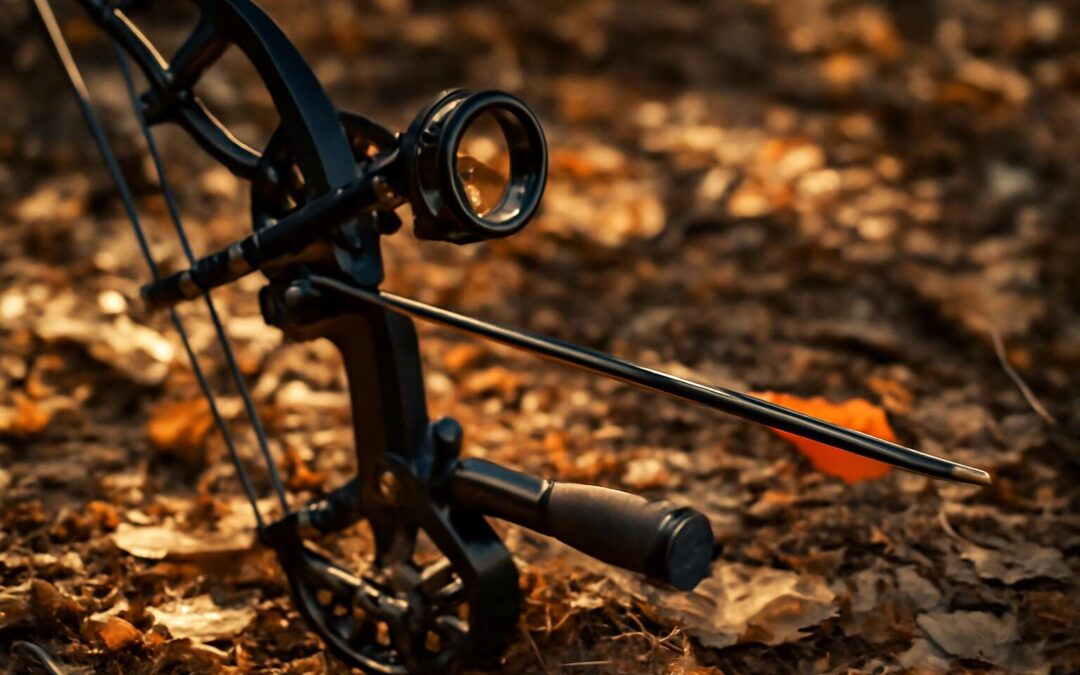
Bow hunting gear and equipment
Choosing a bow type and draw weight
In the field, a single shot hinges on more than aim; it hinges on the bow you cradle. Studies suggest wrong draw weight can cut accuracy by as much as 40%, and that’s why bow hunting essentials begin with gear fit. A hunter’s patience is a weapon, and the right bow feels like an extension of the draw itself, almost supernatural.
Choosing a bow type is a balance of stealth, power, and consistency. Options include compound bows with adjustable draw weight, traditional recurves, and longbows, each demanding a different touch, a rhythm in your stance and release in South Africa.
When assessing draw weight, seek a feel that lets you mount a clean anchor and steady shot reach. Observe how wind, brush, and low light influence the shot; the bow should disappear from your awareness, so you can focus on the moment itself—this is part of the bow hunting essentials.
Arrows and broadheads selection
The veld breathes, and my arrow’s shadow answers. In the South African twilight, arrow and broadhead whisper a pact, deciding flight before the release. Studies suggest misfit arrows shave as much as 40% from accuracy, and this is where bow hunting essentials reveal themselves: a tuned arrow rests like a spell in the string, waiting to sing true.
- Arrow material and spine compatibility with your bow
- Weight and flight consistency (grains per inch and total arrow weight)
- Broadhead type (fixed vs mechanical) and blade integrity
- Maintenance, sharpening, and field-point practice to preserve accuracy
Choose with care, and the shot becomes a quiet verdict rather than a gamble. In the stillness of the veld, the equipment speaks back with clarity.
Bow maintenance and safety checks
Studies show tuned gear can lift accuracy by up to 20%, and in the South African veld that delta is the difference between a whisper and a miss. Bow hunting essentials aren’t flashy talismans; they’re a quiet pact between bow, arrow, and fading light—where sound, balance, and timing decide flight before the release.
Here are the gear categories that earn their keep in the hunt:
- Bow strings and cables—soundness and serving integrity
- Limbs, riser, and cam alignment—smoothness you can feel
- Sight system, peep, nocking points, and arrow rest compatibility
- Stabilizers, dampeners, and noise reduction measures
- Release aids and quiver alignment for quiet, repeatable lines
Bow maintenance and safety checks are the warranty on your season; neglect them and the veld will bite back with a loud lesson. A little vigilance keeps the bow honest and the hunter confident under Africa’s wide skies.
Shooting accessories and retrieval gear
Bow hunting essentials extend beyond the draw. In the South African veld, shooting accessories and retrieval gear harmonize with time and light, turning a shot into a clean, ethical moment. A reliable release aid sits where your hand rests; a well-aligned sight, peep, and arrow rest keep your aim true as dusk gathers.
- Quiet release aids and precisely aligned quiver for repeatable lines
- Arrow rest and dampeners to minimize noise on the draw
- Retrieval tools: arrow puller, spare vanes, compact field knife
- Low-light markers or a headlamp for late-day tracking
With gear tuned to the rhythm of the land, retrieval becomes second nature and the bow stays a trusted companion as the day fades into blue shadows and warm exhalations.
Field readiness and safety for bow hunters
Practice routines for consistency and form
Field readiness and safety for bow hunters burn like morning sun on the Karoo—sharp, patient, essential. In South Africa’s expansive veld, quiet hands and a clear mind are the first gear you wear. “Quiet hands, steady heart,” a veteran once said, and the echo remains. Bow hunting essentials whisper of pre-ride checks, weather awareness, and the hush of your own breath guiding you toward the moment.
Practice routines for consistency and form unfold like a measured poem: not a sprint but a living cadence—breath, alignment, draw, and release choreographed with grace. The aim is to feel the bow-seeded quiet inside your chest, to move with intention through every draw, release, and recovery. In this land of predators and plains, adherence to bow hunting essentials keeps you aligned with safety, sport, and respect rather than haste.
Safety gear and responsible hunting
Field readiness and safety for bow hunters require more than steady hands; they demand a ritual of checks, weather wisdom, and quiet, deliberate movement. Breath is kept slow with the land, a safety harness checked and gear stowed, and the wind read as a living map. This is bow hunting essentials in motion, a vow to respect the hunt and the quarry.
- Arm guard protects forearm during draws
- Finger tab or glove for safe contact
- Quiver retention to prevent gear loss
- Tree-stand safety harness when heights are involved
- Hi-visibility outerwear for field movement
These considerations anchor bow hunting essentials in field ethics and responsibility—mindful pursuits where wildlife, land, and sport meet reverence. The hunter carries a quiet respect into every stalk, knowing preparedness is the true measure of character.
Weather-ready clothing and camouflage strategies
Dawn over the South African veld speaks in a patient language—discipline over bravado. A bow hunter who decodes wind and light survives more hunts than the loudest boast. The truth is plain: bow hunting essentials hinge on calm, deliberate movement and gear that behaves like a courteous partner in the grass.
Weather-ready clothing and camouflage strategies form the visible shield. Layered, moisture-wicking fabrics keep you comfortable as temperatures swing; a windproof outer layer keeps drift and scent in check. Camouflage should mirror the veld—earthy greens and browns, leaf patterns that dissolve into brush and shadow. Bow hunting essentials rely on these quiet equations of shade and motion.
- Layered, quiet fabrics that handle morning dew
- Earth-toned camouflage tuned to SA veld and brush
- Scent-control and silent, sure-footed footwear
These elements anchor bow hunting essentials in a field where respect for quarry and land is the true measure of character.
Gear organization and backpack systems
Field readiness in the South African dawn is a quiet arithmetic of breath and timing. A field guide notes that 60% of stalks hinge on gear that moves with you, not against you. In that truth lies a discipline where calm outshines bravado.
Safety is a discipline of checks before entering the brush. Inspect harness straps, draw-length anchors, and retreat paths. Move as softly as a veld breeze—map wind shifts, mark exit routes, and carry a compact first-aid kit and signaling device.
Gear organization and backpack systems transform risk into rhythm, keeping essentials quiet and within reach.
- Modular pack with quiet zippers and a hydration sleeve
- Quiver and arrow organization near the hip for silent draws
- Release, spare strings, and maintenance kit
- First-aid kit and signaling device
- Knife, multitool, and duct tape for field repairs
- Water, energy snack, and compact blanket
- Map or GPS, compass, and route notes
- Headlamp with red-light mode
This practical setup embodies bow hunting essentials in the field.
Legal compliance and permit awareness
Field readiness in a South African dawn isn’t bravado; it’s a quiet arithmetic of breath and timing. When the veld wakes, the bow hunter listens to the land and moves with purpose, letting the morning carry you forward rather than forcing a chance. This is the heart of bow hunting essentials—clarity, patience, and a respect for the rhythm of nature.
Legal compliance and permit awareness frame every stalk with responsibility. Seasons, tagging, and permits are not bureaucracy; they are a pact with the landscape and its stewards. Consider these basics as you walk the line between pursuit and reverence:
- Season dates and bag limits
- Hunter education and permits
- Landowner permissions and trespass rules
Proven tactics and game strategies for bow hunts
Stalking and ambush planning
Across mist-wreathed savannas and the veld’s quiet edges, the bow hunter moves like a figure from a legend. The bow hunting essentials whisper through patience, wind, and timing, turning dawn into a page of quiet victory.
Proven tactics hinge on reading sign and wind rather than bravado. The stalk is chess with silence and cover; listen for hoofbeats and watch for tracks as the horizon narrows the field.
- Wind awareness and scent control
- Quiet movement and staying near cover
- Terrain features like ridges and water sources
Stalking and ambush planning emphasize timing over tempo. A hunter learns to read the quarry’s heart and shape angles to stay unseen, letting patience guide the moment rather than speed.
Stand hunting and blind positioning
Stand hunting turns patience into precision! In South Africa’s veld lanes, a well-chosen stand height and angle cut the margin for error and keep stalking energy for the moment of truth. Position near travel routes and natural funnel points, where game must pass within the bow’s arc.
Patience rules from the tree to the blind. Read signs, monitor available light, and let the field reveal the quarry’s path. Quiet movement and scent discipline keep your bow hunting essentials intact, turning a potential wait into a clean, ethical shot when the moment arrives. These are the bow hunting essentials in practice.
- Strategic stand placement that respects terrain, light, and travel routes
- Natural cover and silhouette management to stay unseen
- Observing openings and timing the draw for ethical, clean shots
Shot selection and ethical harvest practices
Patience is the bow’s quiet backbone. In South Africa’s veld, proven tactics rise from listening to the land: reading animal signs, gauging the light, and letting the wind carry your approach. Let travel routes and natural funnel points guide where the moment of truth might unfold, turning every quiet breath into a measured, ethical engagement.
Shot selection and ethical harvest practices guide every encounter, with emphasis on presenting the vital area and preferring angles that allow a clean harvest, while avoiding hurried shots that threaten alignment. These considerations form the core of bow hunting essentials.
- Patience over haste
- Wind awareness and scent discipline
- Humane harvest with respect for land and game
Timing, wind, and scent control
‘Patience is the bow’s true strength,’ I remind myself as dawn stretches over the veld. Proven tactics for bow hunts rise from listening to the land—timing, wind, and scent control shaping every encounter. In South Africa’s open spaces, the quiet moments between breath and balance define the hunt, turning intention into ethical, measured engagement. These threads form bow hunting essentials that guide how we move, read the light, and honor the terrain.
Consider these guiding principles.
- Timing: recognizing animal rhythms and natural light cycles as a guiding principle
- Wind awareness: understanding how thermals move across varied terrain
- Scent discipline: adopting scent-control mindset, hygiene, and quiet movement
- Terrain awareness: appreciating natural funnels and cover that shape opportunities
The core of this approach is a philosophy: patient, wind-aware, scent-disciplined, and reverent of the land. The hunt remains a conversation with the veld, a reminder that the deepest harvest is ethical and lasting.
Maintenance, gear care, and optimization
Broadhead maintenance and sharpening
Edge care defines success in the field! This is a core bow hunting essentials principle: broadhead maintenance and sharpening keep shots humane and predictable. A keen edge slices through tough hide and dense brush, preserves flight path, and maintains meat quality. In variable veld light, the quiet difference between a harvest and a missed opportunity is a sharpened blade, honed and true, ready for the first light of a new season.
Gear care hinges on simple, durable checks that pay off over time. Optimization means keeping edges true and balance intact after every outing. After a hunt, consider these elements:
- Edge integrity
- Attachment fit
- Rust prevention
Keeping broadheads sharp and stored properly is part of field readiness, ensuring consistency through the season.
Bow string care and upkeep
Maintenance, gear care, and optimization form the backbone of bow hunting essentials. In South Africa’s varied veld light, string care stands out for quiet draws and predictable flights as seasons change.

String upkeep centers on preserving integrity and balance—qualities that translate to humane harvests and meat quality. When fray or worn serving appears, the whole system loses cohesion; stiffness, resonance, and accuracy suffer in brisk dawn or dim dusk.
- String integrity and wear
- Serving wear and alignment
- Storage and environmental exposure
Applied with care, this approach keeps gear ready for the season, preserving the core of bow hunting essentials from the first light to closing twilight.
Lubrication, waxing, and draw weight checks
Across veldt dawns, experts claim proper lubrication can extend string life by up to 30%, a statistic that sticks like morning dew. This is the spine of bow hunting essentials: maintenance, gear care, and optimization, keeping your setup whisper-quiet and true as seasons shift.
Lubrication reduces wear on moving parts, and waxing the string and servings repels dust and moisture, preserving consistency in the long, patient hours of a South African hunt. In the pale light of dawn, that quiet efficiency matters as much as aim!
A bow that remains attentive to these changes feels less haunted by misfires and more ready for the moment of truth, bow hunting essentials standing as a quiet compass.
Field repair kits and packable tools
Maintenance wears a shadowy charm: the kind that turns a tense moment into a whisper on the strings. In the South African dawn, the truth lands hard—proper upkeep can extend string life by up to 30% and keep your bow honest when the stalk begins.
Field repair kits and packable tools aren’t gadgets; they’re quiet allies carried into the veld. They’ll shoulder minor glitches without breaking the rhythm, preserving focus for that precise draw under a hunter’s breath.
- Compact multitool
- Spare strings or segments
- String wax
- Small pliers and screwdrivers
- Cloth and adhesive tape
Optimization is less a full overhaul and more an ongoing discipline. When gear remains clean, organized, and ready, bow hunting essentials become second nature in the field.