
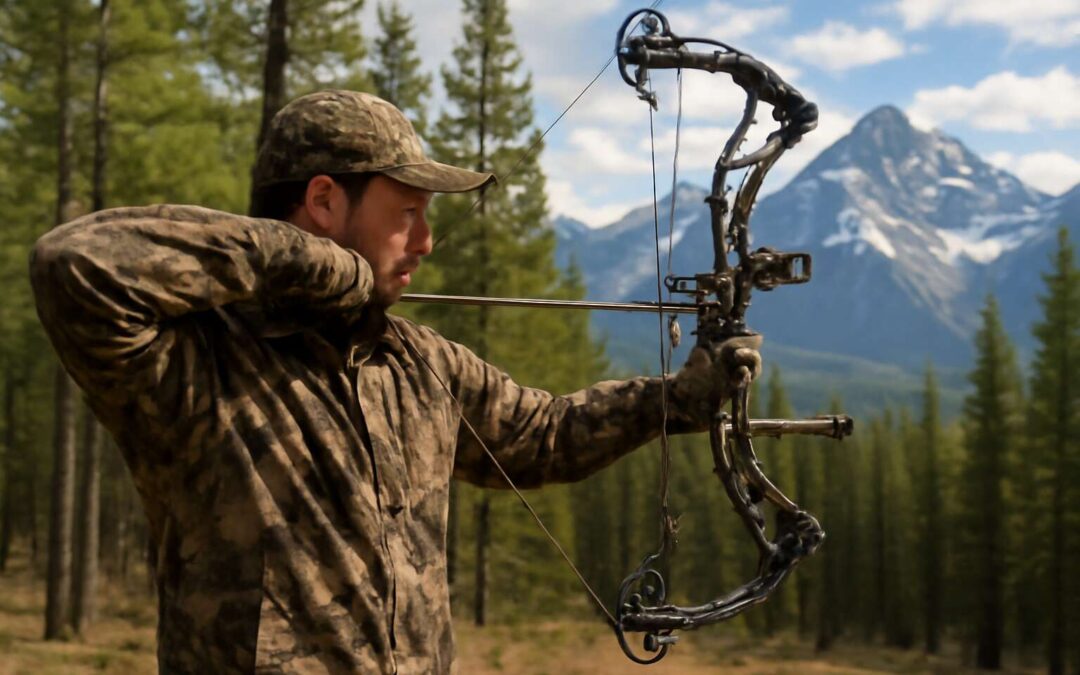
Alberta Bow Hunting Regulations and Licensing
Licensing requirements for archery hunters in Alberta
The road to bow hunting alberta starts with more than a steady aim—it’s mapped in the rulebook. Regulations guard both game and hunter, shaping seasons, tags, and the carry rules that accompany a hunt. For archery enthusiasts, licensing isn’t a mere detail; it’s the first arrow in the quiver: an Alberta Outdoors Card and a valid hunting license before drawing back.
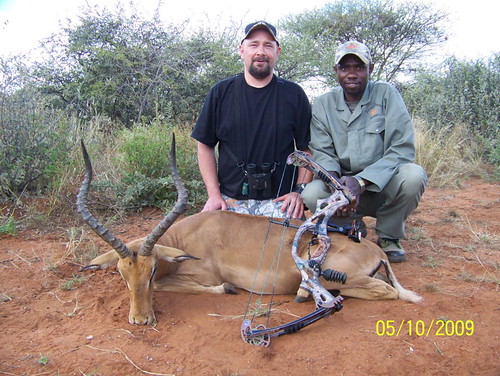
Key licensing requirements include:
- Alberta Outdoors Card (AOC) required for all hunting and fishing in Alberta.
- Valid hunting license and a big-game tag for target species.
- Always carry licenses and tags, and keep them current.
For readers in South Africa, Alberta’s system shows how careful regulation preserves habitat and the hunting tradition. This sport is a balance of precision, respect, and compliance—check the current rules each season at Alberta Environment and Parks.
Season dates, draw odds, and harvest limits
Bow hunting alberta unfolds on a tightly drawn calendar, where a single date can tilt a season’s script. Alberta Environment and Parks sets archery-season dates by zone and species, and those windows shift from year to year. Draw odds shape who earns a tag when demand outstrips supply, while harvest limits cap what can be taken within the season.
- Season dates and zones: archery seasons run in designated zones with dates published ahead of time.
- Draw odds: tags are allocated through a structured draw that rewards patience and strategy.
- Harvest limits: species-specific daily and possession limits apply; compliance protects future hunts.
This fusion of patience and restraint is the hunter’s creed, and it resonates with readers from South Africa who understand stewardship as much as skill. For bow hunting alberta, regulation is the compass and the final measure of the hunt.
Species availability and tag allocation
“Regulations are the compass, not the cage,” and they guide bow hunting alberta. Alberta Environment and Parks runs zone-based seasons with species-specific tag allocation, updated annually. Availability shifts with migrations, habitat changes, and population surveys, and the draw balances demand with fairness.
- Tag allocation is zone- and species-specific and published each year.
- Species availability reflects ongoing population and habitat surveys.
- Compliance and licensing protect future hunts and ensure orderly access.
Stewardship runs deep here, a creed South African readers will recognise. This framework keeps the pursuit respectful and sustainable for all who follow the arrow.
Land access, permissions, and landowner etiquette
“Regulations are the compass, not the cage,” whispers the prairie as bow hunting alberta unfolds under a quiet code of respect. The landscape teaches restraint and patience, and the regulations shape access, who may enter, and how the hunt carries forward with dignity.
Land access and permissions hinge on the simple truth that private property is a trust. Hunters work only where there is written permission, honoring posted boundaries and seasonal signage, and acknowledging the landowner’s stewardship as part of the hunt’s fabric.
Stewardship runs deep here, a creed South African readers will recognise. Landowner etiquette means gratitude, quiet behavior, and leaving gates as found, with no trace of presence but the memory of a respectful arrow. The result is access that endures for generations.
Equipment Essentials for Alberta Bow Hunts
Bow setup and draw weight for Alberta terrain
In the hush of Alberta’s open country, equipment matters as much as patience in bow hunting alberta. A seasoned hunter might say, “The quiet draw writes the first line of the story,” and that line begins with the bow’s temperament and its fit to the terrain. For South African readers chasing distant horizons, the rig must balance power, precision, and harmony with the wind-swept plains.
- Bow with a calm, predictable draw weight suited to the hunter’s strength
- Reliable sight, peep, and anchor for consistent accuracy
- Release aid that pairs with a smooth trigger and quiet release
- Arrows matched to spine and tip for penetration and straight flight
- Stabilizers and vibration dampeners to tame the rifle-like echo of Alberta’s canyons
The terrain asks for a draw weight that respects form and stance, enabling a clean, ethical pass through brush and wind.
Broadheads, arrows, and optical components
On Alberta’s wind-sculpted plains, bow hunting alberta begins with gear that whispers before a shot. “Precision is poetry,” a veteran notes, and that truth gilds the dawn as a bow sighs into the draw. The right setup invites a clean, ethical pass through open light and shadow.
Equipment Essentials: Broadheads, arrows, and optical components align for lucid flight.
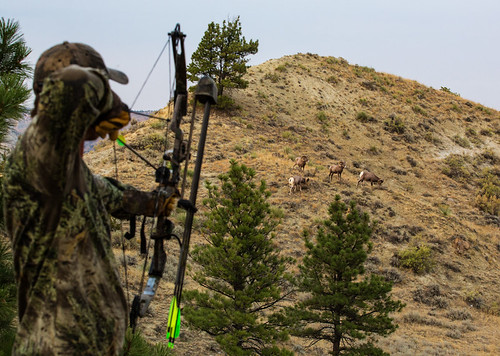
- Broadheads: Fixed or mechanical, sharp blades, strong steel, tuned to the arrow’s spine
- Arrows: Spine-matched with balanced weight and stable fletching for straight flight
- Optics: Sight pins, peep, anchor point, and release compatibility for steady accuracy
Together they tame Alberta’s gusts; for South African readers chasing distant horizons, the same patience translates across oceans—bow hunting alberta inviting a dance with light, wind, and intention.
Sighting in, maintenance, and field readiness
On Alberta’s wind-sculpted flats, a bow hunter respects the hush between breath and release. A telling stat lingers in the cold air: clean, field-ready gear yields safer, more humane passes at dawn. “Precision is poetry,” a veteran murmurs, and that creed threads through sight and string alike. Sighting in, maintenance, and field readiness are not mere tasks but rituals that glow with open light and shadow.
- Sighting-in fidelity: pins aligned, anchor consistent, peep true
- Maintenance mindfulness: string, cams, and limb health
- Field readiness: case, spare parts, weather protection
For bow hunting alberta, the gear exists in a state of quiet readiness, a relic and a ritual that travels with the hunter across wind-swept plains that echo South African horizons. I hear the whisper of strings and the promise of accuracy, even when the horizon wears its fiercest light.
Optics, camouflage, and scent control strategies
On the quiet edge of Alberta’s dawn, the landscape leans in, waiting. A telling statistic lingers in the cold air: shooters who invest in optics and scent discipline report steadier passes at first light. For bow hunting alberta, precision isn’t an accident; it’s a ritual of glass and breath.
Optics anchor the hunt. Bright, lightweight binoculars and a compact rangefinder read distance before the arrow leaves the string, letting early light do the work. In this state, optics become a compass, guiding every stalk through the hush of the plains.
- Optics that gather light and deliver crisp distance judgments
- Camouflage that blends with grasses, shadows, and wind patterns
- Scent control strategies aligned with wind and field conditions
Camouflage, wind discipline, and scent lore—the trio that shapes a hunter’s presence as much as the target. From South African mornings to Alberta mornings, the shadows remember the breath more than the body.
Hunting Tactics and Ethics on Alberta Public and Private Lands
Stalking techniques and effective stand placement
“Patience is the craft of the hunter,” a line I carry into bow hunting alberta as dawn spills gold across whispering pines. Ethics become more real than any boast—respect for landowners, the quiet predator’s code, and the life you pursue. In public and private lands, restraint and reverence walk beside skill, shaping every measured step.
- Respect landowners and permissions; bow hunting alberta requires permission and good will.
- Honor fair chase principles; avoid unsporting practices or baiting.
- Leave no trace; minimize scent and disturbance to wildlife and neighbors.
Stalking on Alberta terrain reads like a quiet conversation with wind and slope. Observe sign without intrusion, let terrain features guide your approach, and let stand placement remain a listening post for the land’s rhythms—always in harmony with season and guidelines. The aim is connection, not conquest.
In this landscape of light and shadow, the sport becomes a meditation on responsibility, memory, and the quiet echo of the American Dream—crafted through discipline, respect, and reverent pursuit.
Seasonal patterns, habitat types, and game signs
The land breathes in cycles, and Alberta’s tapestry asks for patient listening. bow hunting alberta rewards those who hear dawn through the pines, read the wind like a script, and let the season write its own rhythm. The quiet agreement between hunter and land is the edge of success.
Public lands require restraint and respect; private parcels demand permission and reciprocity. Seasonal patterns thread through habitat types—from aspen belts to wet meadows and sagebrush flats—each offering different signs and challenges. Move with the land, and let ethics guide every step.
Hunting signs that tell the tale:
- Fresh tracks and wary, nervous movement in soft soil
- Rubs on aspens and willows at classic travel corridors
- Scat, browsed twigs, and feed trails that reveal preferred routes
In bow hunting alberta, this ethics in motion becomes a quiet ritual.
Fair chase, ethics, and legal considerations
‘The land rewards patience.’ In bow hunting alberta, fair chase is more than a motto—it’s a legal, moral, and wind-reading compass guiding every step across public meadows and private fences. Access on public lands demands restraint and humility; on private parcels, permission isn’t a courtesy, it’s a contract of respect and reciprocity. Hunters who honor boundaries, tread lightly, and leave no trace earn the right to return, season after season.
Ethics are the silent partner in every stalk: study signs without trespass, honor landowner wishes, and avoid reckless escalation to preserve the sport for future generations. South African readers will recognize the shared ethic: the land comes first, access is earned, not demanded. The right to pursue this craft is earned, not granted; tread with patience, clarity, and a wink at the land’s stubborn moods.
Safety protocols and emergency planning
Bow hunting alberta rewards patience and wind-reading more than sheer speed. The wind is your metronome, and a wrong breeze costs a stalk. On public lands, tread softly and mind others; on private parcels, permission is a contract of respect with the landowner, not a courtesy. Ethics aren’t a dusty addendum—they’re the compass that keeps this sport viable for future seasons, a gesture South African readers will recognize as land-first stewardship, earned access, and a quiet wink at the land’s stubborn moods.
- Carry a compact first-aid kit, water, and a reliable communication device; share location with a trusted partner.
- Do dawn wind checks, establish a buddy system, and have clear signaling for quick contact.
- Know the nearest medical facilities and prearrange emergency retrieval plans.
Planning and Executing an Alberta Bow Hunting Trip
Best months, weather windows, and terrain considerations
Weather is the silent partner in any bow hunting alberta trip. A clean stalk hinges on a tight weather window; misjudge the wind and the plan dissolves faster than snow in July. The best months are less about calendar dates and more about converging daylight, forage cycles, and steady thermals. “The wind decides the winner,” a veteran guide often quips, and the sentiment still holds.
- Terrain types you’ll encounter: forested draws, rugged ridges, and broad river bottoms
- Weather cues to read: wind shifts, cloud cover, and temperature changes
- Timing realities to respect: dawn and dusk activity patterns and natural cover for wind-driven days
Terrain in Alberta is a chameleon: forested draws, rugged ridges, and broad river bottoms each demand a different pace and silhouette. Micro-climates and elevation make the map read like a weather oracle, so subtle cues matter more than bravado. The following considerations map the landscape’s mood:
With these elements in mind, plans align with Alberta’s vast topography, turning unpredictable weather into a navigable backdrop.
Permits, licenses, lodges, and guided options
Planning starts where permits, licenses, and a dependable base camp converge. For bow hunting alberta, success rests on selecting a reputable outfitter or lodge that handles provincial tags, habitat access, and field transportation. We align with operators who streamline paperwork, verify insurance, and map hunting zones to match terrain moods—forested draws, rugged ridges, and broad river bottoms. With permits secured and a trusted lodging option, your trip moves from dream to disciplined pursuit.
Options to fit skill and schedule include:
- Guided hunts with veteran archers and trackers
- Lodge-based stays that pair meals, daily spotlight drives, and field prep
- DIY trips coordinated through a licensed outfitter with day-use access
Whichever path you choose, the right permit, lodge, and guide curates the silence between wind and arrow.
Travel, lodging, and equipment transport logistics
Planning a bow hunting alberta trip blends travel logistics with rugged anticipation. For South Africa-based hunters, the distance adds a layer—but the payoff is crisp, clean hunting terrain. The right plan keeps flights, lodging, and gear moving in concert, cutting wasted time and stress. Base camps near key access points shorten daily travel and keep focus on prime stands and draws.
Travel, lodging, and gear transport unfold as a single thread. Partnering with a reputable outfitter ensures safe gear handling, insurance, and clear maps to hunting zones. The aim is seamless transfers from airport to base camp, ample bow-case storage, and reliable field transport. The flow matters more than any single component.
- Travel coordination (air, road, and transfer)
- In-camp gear storage and handling
- Local access to hunting zones and field transport
When travel logistics align with lodging and gear, bow hunting alberta becomes a disciplined pursuit rather than a puzzle.
Conservation partnerships and responsible hunting practices
Alberta’s landscapes demand respect and proper planning. We partner with provincial conservation groups and uphold responsible hunting practices to safeguard habitat, maintain game populations, and share the land with landowners and outfitters. Before you go, expect clean maps, transparent harvest objectives, and strict ethical guidelines. The aim is to hunt smart, not chase trophies; every trip reinforces long-term habitat health.
We coordinate with licensed outfitters for safe gear handling, airport transfers, and base-camp logistics, tying travel with conservation-minded harvest plans. This is bow hunting alberta, and it’s as much about stewardship as shot placement. By aligning with wildlife agencies and local habitat projects, we protect ecosystems while delivering hunts that resonate with South Africa-based readers for their authenticity and accountability.