Understanding Montana’s Elk Hunting Regulations and Licensing
Overview of State Regulations – Details on Montana’s elk hunting laws, seasons, and licensing requirements
Embarking on a journey to bow hunt elk in Montana is more than just a pursuit of wilderness; it’s a venture into a regulatory landscape finely tuned to balance conservation and sport. Montana’s elk hunting regulations are crafted with meticulous detail, requiring hunters to navigate specific seasons, licensing protocols, and legal standards that reflect the state’s commitment to sustainably managing its majestic elk populations. Understanding these laws is essential—not merely a bureaucratic obligation, but a vital step in honoring the integrity of the hunt.
Montana’s elk hunting seasons for bow hunters typically span from late August through late November, depending on the zone and specific tags issued. The state employs a licensing system that includes general and special permits, each with distinct eligibility criteria. To legally bow hunt elk in Montana, hunters must obtain the appropriate license, which involves qualifying for an over-the-counter or draw-based permit. The licensing process is designed to ensure fair access while conserving elk herds, a delicate equilibrium that demands attentiveness from every aspiring hunter.
The state also enforces strict regulations regarding equipment and ethical hunting practices, echoing a shared responsibility to uphold outdoor traditions and wildlife stewardship. For those eager to experience bow hunting elk in Montana, a thorough grasp of state regulations and licensing requirements not only fosters legality but imbues the pursuit with a deeper respect for the natural world. Engaging with Montana’s regulatory framework transforms a simple hunt into a profound connection with both nature and the hunting community.
Obtaining the Right Tags – How to apply for elk tags, including draw and over-the-counter options
Embarking on the quest to bow hunt elk in Montana requires more than silent footsteps and sharpened arrows; it demands an understanding of the intricate mosaic of regulatory procedures and licensing nuances. Each permit represents a thread in the delicate tapestry that sustains Montana’s elk populations. Navigating this system with care not only ensures legal compliance but also honors the enduring spirit of fair chase.
Applying for elk tags involves a keen awareness of the two primary pathways: draw-based permits and over-the-counter options. The draw system, a lottery of patience and persistence, allocates coveted tags through an application process that typically opens in the winter months. Hunters submit their requests, hopeful for a chance to experience Montana’s rugged wilderness during prime elk season. Alternatively, over-the-counter tags offer a more immediate avenue for dedicated bow hunters who are flexible about hunting zones and permits.
For those looking to secure their chance to bow hunt elk in Montana, a logical step involves understanding the current offerings:
- Draw permits for specific zones, which require timely applications during designated periods.
- Over-the-counter tags available for certain regions, providing easier access for seasoned bow hunters.
Applying for elk tags is both an act of faith and meticulous planning—each step woven into the larger narrative of stewardship and reverence for Montana’s wild heritage. Whether through the anticipation of a draw or the immediacy of OTC tags, securing the right permit is an essential chapter in the adventure to bow hunt elk in Montana, embodying the relentless pursuit of harmony with nature’s grandeur.
Legal Gear and Equipment Restrictions – Permitted gear for bow hunting, including crossbows, arrows, and camouflage laws
Understanding Montana’s elk hunting regulations is essential for any bow hunter aiming to succeed legally and ethically. Montana enforces strict rules on licensed gear and equipment to protect wild elk populations and maintain fairness in the pursuit. For bow hunting elk in Montana, knowing what is permitted can make all the difference between a successful season and a legal headache.
When it comes to legal gear, Montana typically allows compound bows, recurve bows, and crossbows, providing flexibility for different hunting styles. Crossbows, in particular, have opened new opportunities for those seeking a different approach to elk hunting. Arrows must be appropriate for big game hunting, usually broadhead-tipped for effective and humane kills. Camouflage clothing is encouraged to blend seamlessly into Montana’s rugged landscapes, but there are regulations concerning the visibility of hunters and their gear to ensure fair chase.
In addition, hunters should be aware of specific restrictions regarding equipment:
- Use of motorized devices or electronic calls, which are generally prohibited during bow hunting elk in Montana.
- Restrictions on firing at game outside designated seasons or from vehicles.
- Limitations on the size and type of broadheads, emphasizing humane kills.
Adherence to these regulations safeguards Montana’s wilderness and preserves the integrity of elk populations, allowing for sustainable and responsible bow hunting elk in Montana. Staying updated on the latest rules ensures every hunt remains a respectful pursuit of nature’s grandeur — an essential mindset for every dedicated bow hunter.
Hunter Responsibility and Ethics – Guidelines for responsible hunting, conservation regulations, and ethical practices
In the shadowed wilderness of Montana, where ancient giants roam and the air whispers with silent urgency, understanding elk hunting regulations becomes more than mere protocol—it becomes a sacred vow. To bow hunt elk in Montana is to dance on the razor’s edge of legality and morality, where each arrow released must be governed by unwavering responsibility. These laws aren’t arbitrary—they’re the heartbeat of conservation, ensuring that the majestic herds continue to thrive beneath the vast, open sky.
Hunter responsibility extends beyond compliance; it embodies a deep respect for the land and its creatures. Ethical bow hunting elk in Montana demands patience, precision, and reverence in every step. As guardians of this wilderness, hunters must follow strict guidelines, such as:
- Respect for hunting seasons and license limits, avoiding any breach that could threaten local elk populations.
- Using humane, regulated broadheads that guarantee a swift, ethical kill.
- Adhering to fire regulations and refraining from electronic calls or motorized devices that could disturb the natural order.
Ultimately, every hunter bears the weight of stewardship—our every action echoes through the corridors of time, shaping the future of Montana’s elk heritage. To bow hunt elk in Montana is to participate in an age-old ritual, infused with both darkness and light, where respect and conservation forge the path forward amid whispered tales of the wild.
Choosing the Best Locations and Timing for Bow Hunting Elk in Montana
Prime Hunting Areas in Montana – Top public lands, national forests, and private land opportunities
In the vast and rugged wilderness of Montana, the timing and location of your bow hunting elk in Montana can turn an ordinary season into a legendary pursuit. The state’s sprawling public lands and national forests hold an almost mythic allure, offering seasoned hunters and novices alike a chance to connect with nature on a profound level. Understanding the nuances of prime hunting areas is essential for success, especially in a landscape as diverse as Montana’s.
Prime hunting areas in Montana include renowned public lands such as the Helena National Forest, Kootenai National Forest, and sections of the Gallatin National Forest. These terrains provide a rich tapestry of dense timber, open meadows, and rugged ridges—ideal for spotting those elusive elk. For hunters seeking more exclusive experiences, private land opportunities, often with special permissions, can sometimes offer a more controlled environment with fewer competitors.
Timing is equally critical; late September through early October typically presents the best window for bow hunting elk in Montana. During this period, bull elk are acoustically vocal and actively seeking mates, making them easier to locate. Knowing when to be in the right place at the right time can be the difference between a successful hunt and a missed opportunity. As the season shifts into late October, the elk become more cautious, emphasizing the importance of stealth and patience in this timeless pursuit.
Best Time of Year for Elk Bow Hunting – Season dates, rut periods, and optimal months for hunting success
The window of opportunity for bow hunting elk in Montana is fleeting yet profoundly intense. The peak occurs during the rut, a period when bull elk are vocal and aggressive, making the elusive giants far more susceptible to the hunter’s call. Typically, this prime time spans from late September to early October, aligning with Montana’s defined elk hunting season. During these months, the landscape transforms into a cacophony of bugles and grunts, a symphony that echoes deep within the wilderness, calling out to those who understand nature’s grand ballet.
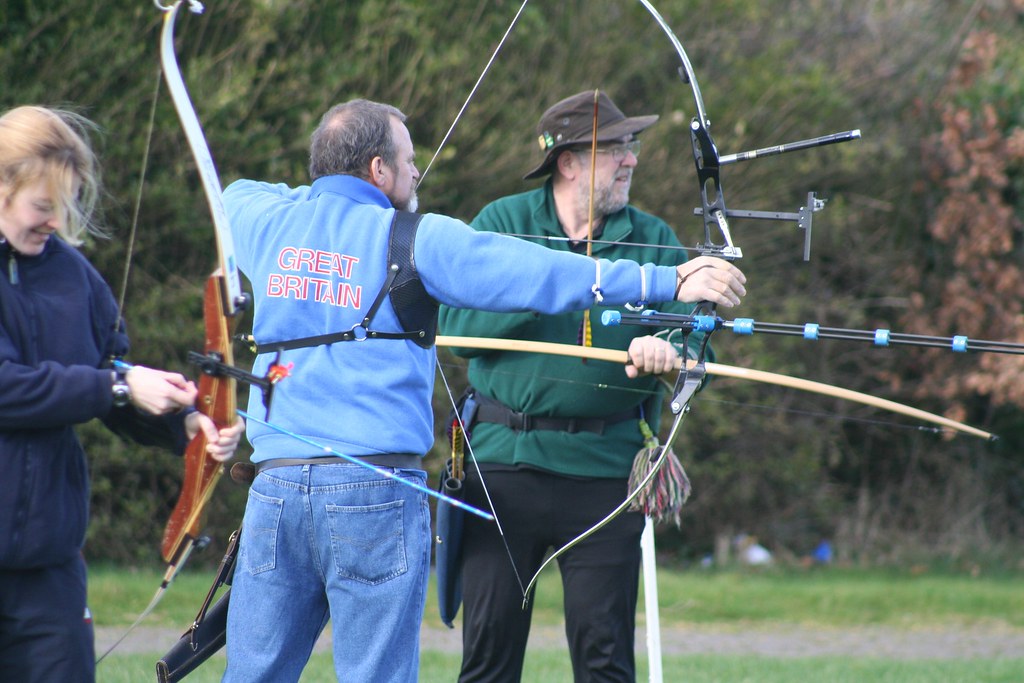
For the serious bow hunter, timing isn’t just about the calendar but about understanding elk behavior. The best months—September through early October—are when the rut reaches its zenith. This period offers a rare chance to observe and hunt bull elk in their most vulnerable state, often standing proud and vocal amidst the dense timber and open meadows of Montana’s prime hunting areas.
- Late September to early October: The prime window when elk are most vocal and active during the rut.
- Mid to late October: As the season shifts, elk become cautious, demanding stealth and patience.
Each moment in this fleeting season presents a seismic opportunity for bow hunting elk in Montana—an experience that tests not just skill but an understanding of the animal’s instinctual rhythms, echoing the profound connection between hunter and wilderness. In these sacred months, every call, every silent stalk, becomes a meditation on nature’s relentless pursuit of life alongside death.
Maps and Land Access Tips – Using topographical maps, GPS tech, and landowner permissions
Strategic land access and precise location choices elevate the bow hunting elk in Montana from mere pursuit to artful mastery. Montana’s sprawling wilderness offers a complex mosaic of terrain—verdant meadows, dense timber, rugged ridges—that demands a hunter’s keen eye and seasoned instincts. Using topographical maps becomes an essential first step; they reveal the hidden contours of the land, pinpointing water sources, bedding areas, and natural funnels where elk tend to congregate. GPS technology then serves as a hunter’s compass, guiding silent stalks through Montana’s vast and often challenging landscapes. Knowing the lay of the land—even down to private land boundaries—can make the difference between a successful hunt and a fruitless venture.
Landowner permissions are crucial since many prime elk habitats lie on private holdings. Establishing relationships with landowners can unlock access to some of Montana’s most pristine elk-rich valleys. For those venturing onto public lands such as national forests, understanding land management regulations and seasonal access points is vital. As elk tend to follow specific migration routes, timing your hunt with these natural pathways heightens your odds of encounter. Remember, a knowledgeable use of topographical maps combined with modern GPS tech and respectful permissions sets the foundation for a respectful and successful bow hunting elk in Montana experience.
Understanding Elk Movements and Behavior – Herd habits, rut activity, and migration patterns to enhance success
In the shadowed forests and hidden valleys of Montana, elk follow ancient rhythms that echo through time and terrain. Their movements—guided by subtle scent trails, whispering winds, and the pull of instinct—are a dance as old as the mountains themselves. To bow hunt elk in Montana successfully, one must decipher these silent cues.
During the rut, the landscape becomes a theater of primal drama, with bugles reverberating like ghostly hymns across the wilderness. This period amplifies elk activity, rendering them more visible and vocal, yet also more unpredictable. Understanding elk herd habits—how they split into smaller groups at dawn or retreat to secluded bedding areas at dusk—can turn the odds in your favor. Migration patterns further influence where and when to pursue these elusive creatures, often hinting at prime locations that pulse with life during specific months.
Timing your hunt with the elk’s natural cycle elevates the experience from mere pursuit to an intricate shadow play—an art born of patience, study, and respect for the wilderness’ ancient secrets.
Essential Gear and Equipment for Successful Bow Hunting Elk
Choosing the Right Bow and Arrows – Tips on compound vs. recurve bows, arrow selection, and draw weight
Choosing the right gear for bow hunting elk in Montana can make or break your entire experience. A critical decision is selecting between a compound or recurve bow. Compound bows offer enhanced accuracy and higher draw weights, which are invaluable when facing Montana’s majestic but wary elk. Recurve bows, while more traditional, provide a quiet, lightweight option that some hunters prefer for its simplicity and reduced noise. Consider your hunting style and physical comfort when making this choice.

Next, arrow selection plays a pivotal role. Heavy-duty arrows with appropriate broadheads ensure deep penetration and clean kills, especially crucial when bow hunting elk in Montana’s rugged terrain. The draw weight of your bow should be tailored to your strength and the elk’s size — aiming for at least 60 pounds, as Montana law recommends a minimum draw weight, to ensure sufficient arrow velocity and stopping power. By balancing your equipment with Montana’s expansive wilderness, you’ll stand a better chance at success under the open skies.
Optics and Scouting Gear – Binoculars, trail cameras, and scouting techniques for elk detection
Equipping yourself with the right gear transforms bow hunting elk in Montana from a daunting challenge into a magical pursuit. Few outdoor pursuits are as rewarding, yet complex, as tracking and harvesting these majestic creatures amid Montana’s expansive wilderness. High-quality optics and scouting gear form the backbone of successful elk hunts, providing clarity and confidence as you navigate rugged terrain. Compact binoculars with high magnification allow for detailed distant views, revealing the slightest movement within thickets and across valleys, while trail cameras capture elusive elk activity long before the season opens.
Strategically placed trail cameras not only reveal herd patterns but also identify water sources and feeding areas critical for planning your hunts. Scouting techniques—like glassing from vantage points at dawn or dusk—equip hunters with intimate knowledge of elk behavior, making every move deliberate and effective. For those planning extended pursuits, topographical maps paired with GPS technology open up Montana’s secret pockets of elk habitat, unlocking access to remote, less-pressured spots. Embedding these tools and techniques into your preparation offers an edge, turning the wilderness into an open book of opportunity for bow hunting elk in Montana.
Camouflage and Apparel – Effective gear to blend into Montana’s diverse terrains
When it comes to bow hunting elk in Montana, blending seamlessly into the terrain can mean the difference between a successful harvest and an empty creek bed. Effective camouflage and apparel are the cornerstone of staying hidden among Montana’s diverse landscapes, from dense forests to open meadows. The right gear helps you mimic the natural surroundings and avoid detection by trophy elk, which are notoriously wary and alert.
Choosing concealed, breathable clothing in colors that match your environment—earthy browns, greens, and grays—ensures you move naturally through your hunting grounds. Camouflage patterns tailored to Montana’s surroundings create a disruptive visual, making even the keenest-eyed elk overlook your presence. Additionally, accessories like face masks and gloves further eliminate human scent and movement, providing a vital edge during the crucial moments of bow hunting elk in Montana.
Beyond clothing, footwear that offers silent steps on rugged terrain and hats or caps with wide brims for sun and insect protection are indispensable. For an extra layer of concealment, some hunters incorporate scent-control sprays and wind-resistant gear. Fittingly, a well-rounded selection of gear, including camouflage face paint and scent eliminators, enhances your ability to stay undetected. After all, in Montana’s wilderness, it’s often the smallest details that tip the scales—enabling a quiet approach and ensuring elk remain oblivious to your presence.
Additional Hunting Accessories – Decoys, scent control, and other tools to increase hunting success
In the shadowed stillness of Montana’s wilderness, success in bow hunting elk hinges on more than just patience; it depends on the arsenal of your gear. Essential equipment and tactical accessories become the silent allies in your pursuit, transforming each breath of mountain air into a calculated threat. Every piece of gear, from scent control sprays to decoys, weaves into the story of your elusive quest. Breathing life into this dark ballet, hunters often place their faith in decoys, mimicking herd behavior to lure wary giants within striking range.
For those who understand the subtle art of elk dominance, scent control becomes paramount. Using specialized sprays and wind-resistant attire, hunters cloak themselves in invisibility—ghosts lurking behind the guise of nature. Navigating the rugged terrain demands durability and silence; therefore, quiet footwear and versatile optics are crucial companions. Among the arsenal of tools, trail cameras and GPS help decipher elk movements, revealing secrets hidden beneath Montana’s vast canopy.
- Decoys that imitate herd sounds and movements
- Scent-management systems to mask human odor
- High-quality binoculars for long-distance observation
- Trail cameras strategically placed along game trails
As the shadows lengthen and the rut whispers echoes through the valleys, each accessory—each silent step—becomes a thread in the dark tapestry of success. To bow hunt elk in Montana is to dance with the wilderness, guided by gear that whispers and waits—watching, listening, ready to crown the patient with triumph or dusk.
Strategic Hunting Techniques and Tips for Elk in Montana
Stalking and Calling Methods – Effective techniques for approaching elk and using calls to attract them
Successfully bow hunting elk in Montana demands more than just patience; it requires mastery of stalking and calling methods that subtly influence the herds. Approaching elk undetected involves whisper-quiet movement, utilizing natural terrain such as thickets, ridges, and patches of dense scrub to conceal your presence. The art of sneaking through Montana’s wilderness can turn the unsuspecting in your favor, especially during the rut when bulls are most vocal and territorial.
Calls serve as a vital extension of your hunting strategy, capable of inspiring curiosity or provoking a charge. When used correctly, elk calls mimic the sounds of estrus or bugling bulls — enticing curious or aggressive animals into striking distance. Remember, patience is key: simulate natural sounds with just enough intensity, and combine vocalizations with strategic positioning. Experienced hunters often combine stalking with calling techniques that attract elk from vast distances, making each step towards a target an intricate dance of patience and precision.
For optimal results, incorporate a sequence such as:
- Carefully observing elk behavior through binoculars before making a move
- Timing calls during peak activity periods within Montana’s seasons
- Adjusting your calling volume and pattern based on herd reactions
The harmony of silence, scent, and sound creates a powerful synergy—an invisible thread that guides your pursuit of majestic Montana elk. Embracing these strategies turns a passive observer into a masterful hunter, chasing memories in the wild heart of Montana’s rugged landscape.
Layout and Stand Hunting – Setting up optimal hunting blinds and tree stands
Strategic placement is the secret sauce for successful bow hunting elk in Montana — a land where the rugged terrain and towering pines challenge even the most seasoned hunters. Setting up optimal hunting blinds and tree stands requires a keen eye for elk movement and a bit of patience, but the reward is well worth the effort. Instead of wandering aimlessly through the wilderness, a well-positioned stand or blind can give you the high ground—and an unbeatable vantage point—while keeping you out of sight from those crafty bulls.
When choosing your stand location, consider natural choke points like narrow ridges or game trails that see frequent activity, especially during Montana’s prime elk season. Keep in mind that elk are creatures of habit; after a few scouting trips, you’ll start to see patterns in their daily routines. An elevated tree stand allows for a clear shot while reducing scent and noise, giving you a clear edge in the game of hide-and-seek with these majestic animals.
To maximize your chances, some seasoned hunters swear by the
- umbral positioning
- silent scent control
- strategic decoys placed just out of sight
—these little details can turn a mere average hunt into a Montana elk-chasing odyssey. When bow hunting elk in Montana, thoughtful stand placement isn’t just about waiting; it’s about outsmarting nature itself, turning the wilderness into your personal battlefield of patience and precision.
Wind and Weather Considerations – Harnessing weather patterns to improve stealth and scent control
Harnessing the weather to your advantage during bow hunting elk in Montana can be a game-changer. Elusive and keen, elk are master strategists who thrive under the concealment provided by Montana’s shifting weather patterns. Wind direction is paramount; a breeze swirling from your stand toward the herd can carry your scent, alerting even the most seasoned bulls. Conversely, a silent, swirling wind can cloak your approach, allowing for closer encounters rooted in patience and silent trust in nature’s whispers.
Weather conditions often dictate the rhythm of elk movement—overcast days and quiet drizzling, for instance, tend to quiet down the herd’s activity, making ambush strategies all the more critical. Wise hunters pay attention to recent weather patterns, using these clues to predict herd shifts and feeding times. Fluctuating barometric pressure signals a potential change in behavior, urging hunters to read the sky with a keen eye.
- Opt for early mornings or late evenings when thermals rise or fall, carrying scents away or toward your baited ambush.
- Plan your stand placements considering prevailing winds, ensuring your scent trail is diverted from commonly traveled game trails.
- Take advantage of overcast or light rain days—these conditions reduce elk alertness and make scent your stealthiest ally.
In Montana’s rugged wilderness, the weather is not merely a backdrop but an active participant—an unpredictable partner that, with respect and understanding, can elevate the art of bow hunting elk in Montana to a poetic dance of patience, precision, and nature’s quiet symphony.
Dealing with Elk Shooters and Close Encounters – Handling high-pressure situations and ensuring ethical harvests
Facing a charging bull elk at close quarters is the kind of adrenaline rush that turns even the most seasoned hunters into wide-eyed novices. In Montana, where elk herds can seem as cunning as they are majestic, handling high-pressure encounters requires a cool head and a dash of cunning. The trick isn’t just sneaking up on your target but doing so with a blend of strategic patience and ethical respect for the animal.
When an elk lock eyes with you, it’s essential to remember that patience trumps bravado. A sudden movement might spook the entire herd, turning a confident stalk into a frantic retreat. Instead, quietly observe and wait for the ideal moment to draw your bow. Using natural cover and understanding elk behavior helps you capitalize on close encounters, transforming a potentially stressful situation into a calculated shot.
For dealing with elk shooters—the hunters dramatic enough to bump your quarry—keeping a low profile and employing decoys can be your secret weapon. They can redirect attention and offer a moment of distraction, giving you that precious opening. Moreover, understanding herd dynamics—knowing where the lead bull is likely to be and how they communicate—can make the difference between a successful harvest and an empty bag.
A well-practiced calling sequence, combined with discreet stalking, is essential for bow hunting elk in Montana. Remember, the elk’s heightened alertness during rutting season means every move counts. Whether you’re employing a realistic bugle or soft cow calls, timing is everything. And when that close encounter finally occurs, calmly overlay your shot with precise execution—because in Montana’s rugged wilderness, elegance under pressure is the ultimate hunter’s trait.