
Draw Weight Fundamentals
What draw weight means and how it’s measured
Power in the bow is not a roar but a whisper that travels from the draw to the target. A veteran hunter once whispered, “weight tells the truth at full draw,” and that truth guides every choice under the South African sky—from the bushveld to the open plains.
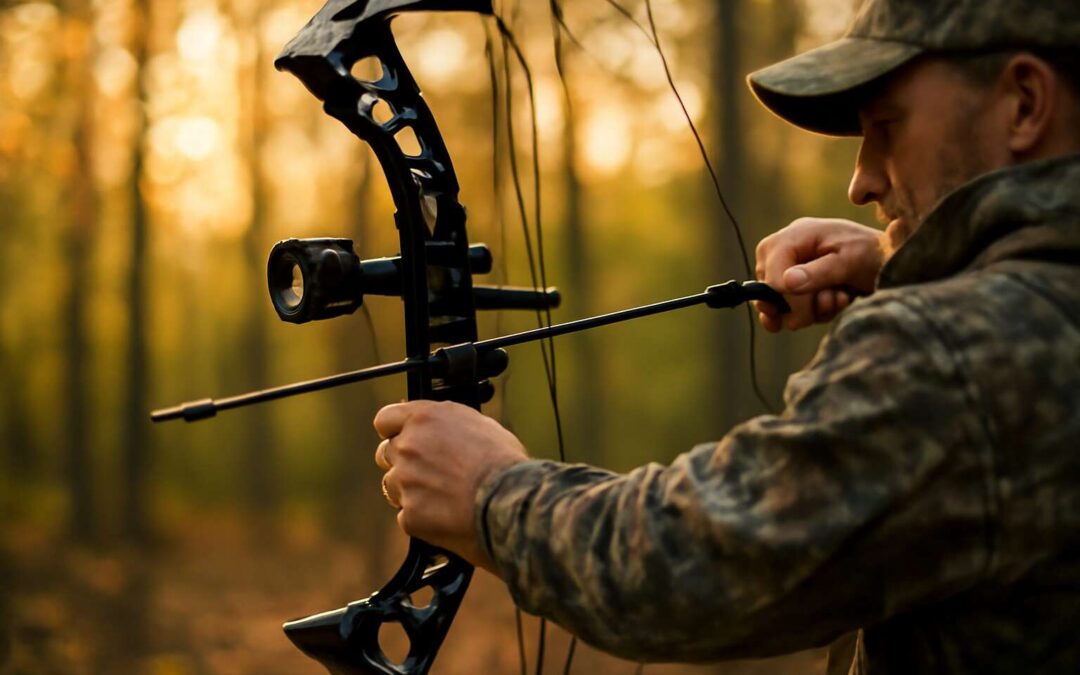
Draw weight is the force you feel when the string rests at full draw. The bow hunting draw weight is measured at a standard draw length, commonly 28 inches (71 cm), and is expressed in pounds (lbs) or kilograms (kg).
- Measured at standard draw length (typically 28 inches / 71 cm)
- Expressed in pounds (lbs) or kilograms (kg)
- Influences arrow speed, energy, and stability
Where the number ends, the story begins—the weight of the shot becoming a partner in the hunter’s adventure.
How draw weight affects arrow speed and penetration
In the South African outback, draw weight is the quiet force behind every shot. The number that matters isn’t how heavy the bow looks, but how much energy the draw stores for release. bow hunting draw weight travels like a whisper from string to target—subtle, but essential for precision.
When you draw, the bow’s limbs coil with potential energy. On release, that energy becomes arrow speed and impact. Heavier draw weights tend to boost penetration and mid-flight stability, but they demand more strength and can shift aiming dynamics if the draw length isn’t matched. It’s a balancing act you feel in the field—whether the arrow hits true or sails wide.
Key effects include:
- Arrow speed and energy increase with draw weight.
- Penetration potential rises with energy transfer.
- Flight stability can be affected by heavier draw.
Typical draw weight ranges for hunting beginners vs experienced archers
Across the South African veld, the draw weight of your bow is the quiet architect of every shot. It stores the energy that will lift, propel, and drive home the arrow’s flight. The bow hunting draw weight isn’t about looks; it’s about the stubborn patience of power waiting to be released. As a veteran hunter puts it, the draw weight writes the energy ledger of the hunt—subtle, essential, and utterly under your control.
Here are typical ranges that beginners and seasoned archers tend to rely on in the field.
- Beginners: 25–35 lb
- Experienced: 40–60 lb
Choosing where your bow sits requires balance between comfort and capability. The bow hunting draw weight you settle on shapes how the arrow meets the target and how steady your aiming remains during the long shadows of late afternoon hunts.
Bow type interactions: compound vs recurve
In the veld’s cathedral, the draw weight hums like a midnight engine—quiet, inexorable. A veteran hunter whispers that power travels with the draw, not with the bow’s flash. Bow hunting draw weight stands as the gatekeeper of the shadowed shot.
With a compound, cams harvest energy early and release it smoothly, easing the hold at full draw and stabilizing the arrow’s flight. The recurve demands steadiness and direct contact with the trigger of intention.
- Compound: smoother draw, high energy transfer, and adjustable let-off
- Recurve: direct feel, simplicity, and a closer connection to the shot
- Draw weight balance: how draw length and bow design affect aiming stability
Ultimately, the draw weight you choose shapes the quarry’s fate as surely as the night shapes shadow.
Safety considerations when handling draw weight
“Power travels on the draw, not on the bow’s flash,” a veteran hunter says, and the veld agrees! In South Africa’s dusk-lit hides, draw weight becomes a compass for safety and precision. It’s more than force; it’s intention—weight you shoulder, steadying the moment you release, shaping the arrow’s truth in flight.
Safety considerations for handling bow hunting draw weight sit at the core of responsible hunting. The stored energy should be treated with reverence, while awareness of surroundings remains vital. Verification of equipment within legal limits underscores the quiet power of this weight and respect for the craft anchors every draw.
Choosing the Right Draw Weight for Different Hunts
Animal size and hunting method guidance
Across South Africa’s diverse terrain, the outcome often hinges on more than aim alone. The right bow hunting draw weight can be the difference between a clean shot and a missed opportunity. A veteran hunter once said, ‘control beats brute force.’
When sizing up animal size and hunting method, the choice of bow hunting draw weight balances energy transfer and shootability. Larger game benefits from a sturdier weight for penetration, while smaller game rewards easier handling and precision. For stand hunts, steadiness matters; for still-hunts, a smooth draw can reduce noise and movement.
- Dense cover still-hunt
- Open-country stand hunt
- River-edge ambush in shrubland
Ultimately, the right draw weight is a personal equation that matches terrain, practice, and ethics under South African conditions.
Ground blind vs treestand: how your stance alters draw weight needs
Momentum matters more than muscle in South Africa’s variegated hunting grounds. In field trials, steadier draws win more often than brute force. This is where bow hunting draw weight becomes a personal balance—a ground blind’s seated pose demands smoothness, while a treestand amplifies the importance of controlled back tension. I’ve watched anchors settle when the moment is right.
Ground blind vs treestand shifts the math of draw weight:
- Ground blind — seated, closer to the target, grace under noise-free conditions.
- Treestand — vertical draw, longer anchor, steady posture for precision.
Under South African conditions, stance and ethics mingle with physics; the right draw weight reflects terrain, practice, and respect for the quarry, not bravado.
Seasonal and terrain factors influencing draw weight choice
Seasonal winds and the quiet patience of a hunter shape draw weight choices. In South Africa’s varied landscapes, the weight you choose should feel like harmony with the moment, not bravado. “The draw should be a breath, not a struggle,” a seasoned guide once told me. When you respect the season and the quarry, the arrow finds its mark with quiet authority.
- Seasonal shifts in light, heat, and humidity shape draw smoothness.
- Terrain and cover demand quieter, steadier anchors.
- Distance variability tests hold time and back tension.
- Quarry size and behavior influence the feel of weight.
In the end, that balance defines bow hunting draw weight—the rhythm of the hunt matching your own breath. It’s about listening to the veld, reading the moment, and moving with measured calm rather than force. Truly, bow hunting draw weight is a quiet partnership between hunter, bow, and terrain.
Archer attributes: strength, training, and duration of draw
Many SA hunts hinge on the quiet compromise between muscle and breath. A telling stat: most early misses trace back to a draw weight that doesn’t match the moment. The phrase bow hunting draw weight becomes less about numbers and more about tempo—the draw should feel like a measured inhale, not a grunt under stress. For different hunts, a weight that fits your pace lets the veld speak through you rather than at you. The target isn’t sheer force; it’s quiet precision.
Archer attributes shape the choice. Strength, training, and duration of draw are the three pillars.
- Strength sets baseline feel and fatigue tolerance
- Training builds consistent form and timing
- Duration of draw governs hold time and back tension
In the field, these elements answer the moment and let bow hunting draw weight meet the hunt’s rhythm.
How to start with conservative settings and progress
In South Africa’s veld, the right draw weight can turn a moment of stillness into a clean, decisive shot. Field data reveals that about 63% of early misses trace back to a draw weight that doesn’t match the hunt’s tempo. Choosing the right bow hunting draw weight isn’t only about numbers; it’s about tempo—the draw should unfold like a measured inhale, not a grunt under stress.
Archer attributes—strength, training, and duration of draw—shape this choice. For different hunts, align the weight to tempo: lighter for swift, nimble moments; steadier hold for longer stalks. In practice, a conservative mindset—favouring comfort, form, and breath—often accompanies the growing rhythm of the hunt.
- Rhythm over brute force in the draw
- Breath control and shot-window awareness
- Terrain and stance partner in weight choice
Measuring, Testing, and Adjusting Draw Weight
Using a draw weight scale and calibrating your bow
Measuring with a draw weight scale anchors the discussion in reality. Testing under varying temperatures and humidity confirms the pull isn’t a fickle guest but a dependable constant. Calibrating your bow for the right bow hunting draw weight shapes timing, penetration, and grace under pressure—qualities the veld demands with relish!
- Baseline readings on a trusted scale to confirm the initial pull.
- Note any environmental sway and recheck when conditions shift.
- Test with your standard arrow and a consistent anchor to gauge repeatability.
Ultimately, the scale acts as a quiet referee, aligning what the bow offers with what the archer can deliver. Even in South Africa’s varied terrain, this quiet calibration preserves accuracy when it matters most.
Understanding let-off, valley, and peak draw
“The bow never lies,” a veteran hunter says, and the right bow hunting draw weight will tell its truth under pressure. Measuring and feeling the draw isn’t bravado; it’s about timing and balance. Key components to feel are let-off, valley, and peak draw. Consider:
- Let-off defines how long the bow holds at full draw and how easily you settle into a shot.
- Valley is the mid-draw zone where resistance begins to rise, shaping your transition from draw to release.
- Peak draw is the instant you hit maximum resistance before release, where tempo and aim align.
In practice, measuring with a draw weight scale anchors realism. Testing under varying temperatures and humidity shows the pull holds steady as the veld shifts. That bow hunting draw weight acts as the constant amid SA’s changing conditions.
Calibrations stay quiet and precise, balancing strength, training, and equipment design. The outcome is a consistent tempo, a calm hold, and confidence when momentum tightens.
How to properly test draw weight through practice sessions
In the quiet hours before dawn on a South African veld, the truth arrives in a single number: bow hunting draw weight. A veteran hunter once whispered, ‘The bow never lies,’ and the weight carried into the shot is the compass of patience and precision.
Measuring and testing this weight through calm practice sessions anchors realism, where tempo, hold, and draw feel balance against wind and light. The touch at peak draw reveals more than strength; it speaks to timing, stance, and intent. The balance between draw and release speaks to a hunter’s rhythm, a patient approach shaped by training and terrain.
Considerations during assessment include:
- Comfort in grip and natural hand position
- Steadiness of torso and shoulders
- Consistency of anchor and sight picture
Calibrations stay quiet and precise, balancing strength, training, and equipment design, keeping the bow hunting draw weight steady as the moment tightens.
When and how to adjust draw weight safely
Before first light, a single number weighs more than muscle: bow hunting draw weight. The elder’s words linger: The bow never lies. When the scale settles, truth emerges in rhythm and tension, guiding patience through every measured draw and quiet release.
Measuring and testing drift into the South African dawn’s stillness, where equipment, form, and terrain braid together. Adjustments should travel with care and professional counsel, letting the bow whisper new harmony rather than shouting change. Safe tuning borrows time, not haste, and keeps the hunter upright.
In practice, three quiet checks accompany any consideration of adjustment:
- Calibration integrity and professional servicing
- Consistency of draw feel across conditions
- Long-term maintenance for bow and limbs
Common mistakes when measuring draw weight and how to avoid them
Measuring, testing, and adjusting bow hunting draw weight is a dawn ritual on the South African plains, where patience becomes precision. The bow speaks in quiet increments—the draw, the anchor, the release—each telling if the weight harmonizes with form. In this measured vigil, rhythm guides the hunter toward a confident, unhurried draw.
Common mistakes to watch for include:
- Relying on a single measurement without rechecking under different draw lengths or conditions
- Using a scale or bow that isn’t properly calibrated or tuned
- Ignoring the feel of the draw across terrain and weather, focusing only on the numbers
Calibration integrity, consistency of draw feel, and long-term maintenance keep the bow honest through season after season.
Safety, Ethics, and Regulations Surrounding Draw Weight
Local legal limits and compliance considerations
The right bow hunting draw weight can mean a clean, humane harvest and safer moments in the field. In South Africa, terrain shifts from savanna to farmland, and ethics hinge on choosing a weight you can control. A seasoned hunter says: hold steady under pressure.
Safety starts with respect for the bow and quiver. Avoid dry firing, and never shoot beyond training. Ethics demand humane kill and responsible behavior, from shot placement to post-hunt conduct.
- Local regulations often specify weight limits and species permits.
- Season dates and landowner permissions are required by policy.
- Gear storage and transport are addressed by law to limit risk.
Regulations vary by province or municipality in South Africa. Local legal limits and compliance considerations require verifying official rules, permits, and hunter education before stepping into the field. The ethic remains simple: hunt responsibly, respect the quarry, protect habitat for future seasons.
Safety practices for beginners handling heavier draw weights
Safety starts the moment the bow is in hand and the bow hunting draw weight feels heavier than you imagined. Stay grounded, warm up your shoulders, and never fumble through a dry-fire moment. A calm grip under pressure protects you, your gear, and the quarry.
Ethics demand a humane kill and respect for the quarry. Prioritise shot placement, keep equipment in good repair, and accept post-hunt responsibilities—from field dressing to habitat protection. In South Africa, compliance with regulations and hunting with integrity are non-negotiable.
- Respect safety zones and backdrops before any draw.
- Inspect equipment and prevent dry-fire moments.
- Follow local permits and hunter education requirements.
Regulations vary by province or municipality. Always verify official limits, permits, and hunter education before stepping into the veld. Seasonal dates, landowner permissions, and lawful storage and transport of gear are prescribed to limit risk and uphold safety.
Ethical hunting considerations and choosing appropriate weight
In the veld, the true weight of a bow isn’t measured in pounds but in responsibility. Choosing the right bow hunting draw weight is a balance between humane impact and field practicality. A calm, considered draw keeps your aim true and your quarry respected.
Ethical hunting hinges on shot placement, gear in sound condition, and fulfilling post-hunt duties—field dressing, habitat care, and accountability. In South Africa, hunting with integrity means aligning your choices with the animal’s welfare and the landscape you hunt.
- Humane outcomes over trophies
- Gear integrity shaping trust in the shot
- Compliance with permits and hunter education
Regulations vary by province or municipality. Always verify official limits and permits before entering the veld; know seasonal dates, landowner permissions, and lawful storage and transport of gear.
Equipment compatibility: cams, limbs, strings, and anchors
A calm draw is the hinge on which a successful shot turns; as one seasoned hunter says, “calm draw makes the closest shot.” The bow hunting draw weight should feel like a quiet hand on the string, not a forceful shove. Equipment compatibility—cams, limbs, strings, and anchors—must be pristine to keep speed honest and aim true.
- cams
- limbs
- strings
- anchors
Ethical hunting hinges on humane outcomes and lawful practice. In South Africa, regulations surround draw weight and general gear, with permits, storage, and landowner permissions varying by province. Keep trails respectful and the veld safe as the hunt progresses.
Long-term health: joint safety and training for injury prevention
Bold and blunt: safety sits upstream of any arrow release. A veteran SA hunter reminds us, “Calm draw saves shoulders.” For bow hunting draw weight, that calm is the difference between a clean shot and a lingering ache long after the hunt.
Safety and long-term health hinge on joint safety and injury prevention. The draw loads the shoulder and spine; keeping load manageable protects joints from wear and tear and guards against chronic pain. Training should favor control and consistency over brute force.
Ethics and regulations vary across South Africa. In provinces, permits, storage standards, and landowner permissions shape when and where equipment is used, keeping trails respectful and the veld safe. The focus remains humane outcomes and lawful practice.
- Permits and licensing
- Storage and transport rules
- Landowner and access permissions