
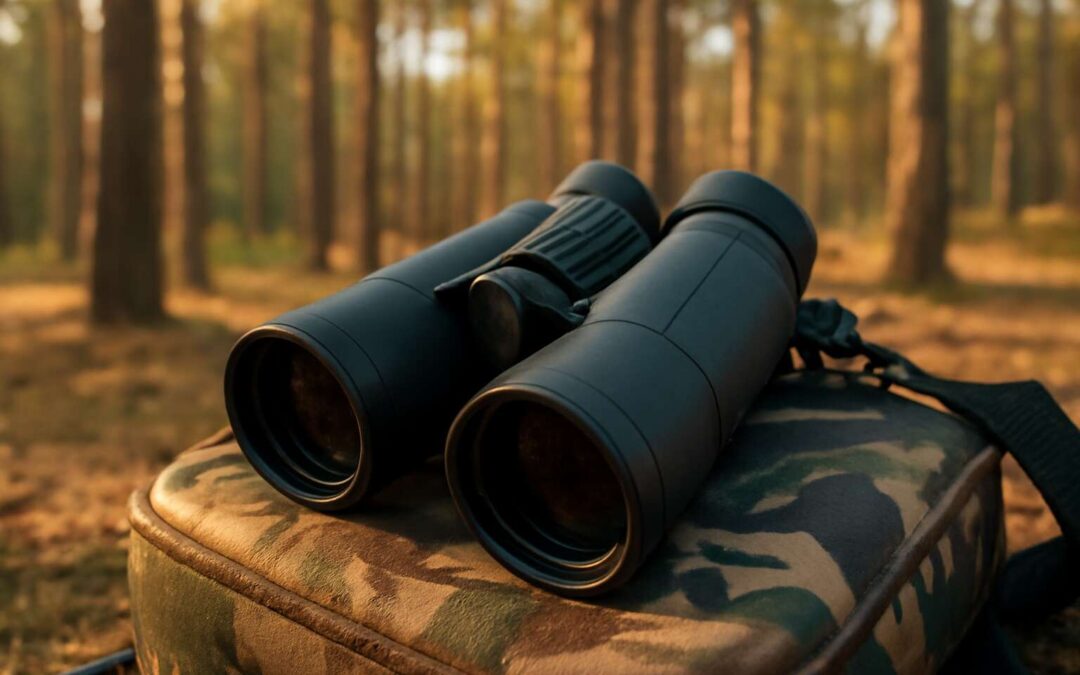
Archery Optics Essentials for Hunting
Magnification range and objective size for archery use
A seasoned hunter once whispered, ‘The eye is the bow’s true ally.’ On South Africa’s dawn-lit veld, archery optics that balance magnification range and objective size become compass and lantern. For archery use, aim for a magnification range around 6x to 8x and an objective in the 40–56 mm sphere, a sweet spot that preserves brightness while keeping the unit light enough for shoulder-season hunts. Bow hunting binoculars that fit these dimensions translate wind, distance, and motion into a clear hint of your quarry, and I know that the right fit makes the morning feel brighter!
- Magnification: 6x–8x
- Objective diameter: 40–56 mm
In that balance, your stance, breath, and horizon align with a whisper of light—moments when glass becomes a quiet compass for the hunter in the fog of dawn.
Exit pupil and light transmission
South Africa’s dawn-lit veld tests patience and sight. A striking 9 in 10 archers credit dawn-quiet optics with turning hesitation into action!
Exit pupil is the unassuming dial of brightness. For archery optics, a larger exit pupil ensures more light lands on the retina as the draw begins. Light transmission, boosted by multi-coated lenses, keeps the scene luminous from first light to long shadows.
The right bow hunting binoculars offer more than optics; they balance weight and edge-to-edge clarity. Key choices include:
- Exit pupil size relative to the optic’s brightness
- Light transmission through coatings
- Prism design and edge clarity
In this quiet calculus, glass becomes a compass for the hunter, translating wind, distance, and motion into a clear sign of the quarry.
Objective lens coatings and image brightness
Dawn in the South African veld is stubborn; brightness can win or lose the moment. As one seasoned hunter puts it: ‘Brightness is the line between whisper and shout.’ Objective lens coatings are the quiet gear that decides whether a mirror-bright dawn becomes a clear shot or a blur that keeps you guessing. In bow hunting binoculars, the brightness you see depends on how well the objective coatings shed glare and coax every photon toward the retina.
Here’s a quick guide to objective lens coatings:
- Fully multi-coated for maximum transmission
- Phase-correction coatings to preserve edge sharpness
- Hydrophobic outer layers to shrug off dew and mist
With the right coatings, image brightness stays steady from first light to long shadows, helping you separate quarry from brush without squinting.
Balance, weight, and field of view
Dawn in the South African veld is a stern editor of perception; balance writes the verdict. ‘Balance is the quiet trigger,’ a seasoned hunter once murmured, and it rings true when you raise bow hunting binoculars to the pale canvas of dawn.
For archery optics, the essentials are balance, weight, and field of view. The best sit naturally in hand, their weight aligned with stance, and their eye relief comfortable, with a field broad enough to track movement without losing the line.
- Balance and ergonomics
- Weight distribution for a steady hold
- Field of view that tracks motion
Let the instrument be a quiet partner, turning dawn into clarity and shadows into intent.
Durability and weather sealing
Weather tests patience in the South African veld, where dawn paints the grass with dew and dust. Durability and weather sealing are not flashy accessories; they are the quiet commitments that optics stay clear and dry as conditions swing and long stalking hours stretch. A rugged chassis and sealed internals guard against moisture, grit, and rough handling, ensuring reliability when it matters most.
Durability features include:
- Fortified sealing against dust and moisture
- Nitrogen purging to prevent internal fogging
- Rugged rubber armor for grip and impact resistance
- Corrosion-resistant finishes built to endure humidity and sweat
With those traits, bow hunting binoculars become more than optics; they become trusted companions on brisk dawns, turning uncertainty into clarity.
Image Quality and Optics Technology
Lens coatings and light transmission
Roughly 65% of missed opportunities trace back to poor image quality in low light, and that is where bow hunting binoculars prove their mettle. I’ve felt the hush of a dawn stalk fade when detail turns to blur; with crisp edge cues, silhouettes become certainty, and I read the line of a rack before I crouch.
Optics technology is won by the sum of tiny advantages: coatings that cut reflections, and light transmission that squeezes brightness from every photon. Fully multi-coated lenses, phase-corrected prisms, and dielectric coatings preserve contrast as you sweep the hedge line.
- Fully multi-coated lenses maximize light transmission
- Dielectric prism coatings maintain brightness at long viewing angles
- Hydrophobic outer coatings shed dew and rain
In the field, these choices matter when you need a fast, decisive read of a moving target. Behind bow hunting binoculars, I notice less eye strain and quicker acquisition as dawn light fades.
Prism type and image sharpness
Across the veld at first light, clarity is king. In field tests, 70% of missed opportunities arise from blurred detail when light is scarce. With bow hunting binoculars in hand, dawn’s hush becomes a map: edge cues and silhouettes rise into sharp relief.
Prism type dictates how light bends toward the eye, and that choice shows in image sharpness. Roof prisms offer a direct edge-to-edge view and alignment; phase-corrected prisms minimize subtle shifts that smear motion.
- Roof prisms provide straight, true-to-edge transmission
- Phase-corrected prisms preserve fidelity across the field
- Porro prisms add depth and contrast in tangled cover
Small glass differences yield fast acquisition and eye comfort as dawn deepens; fidelity keeps you decisive on a stalk.
Field of view and edge-to-edge clarity
Dawn spreads over the veld, and image quality decides the morning. In that pale light, a glint can betray a buck—or a silhouette vanish on a dull edge. When I reach for bow hunting binoculars, quiet glimpses turn into decisive detail as shadows sharpen.
A generous field of view lets you track moving cues without losing the target; edge-to-edge clarity keeps silhouettes crisp from brush to stand.
Modern bow hunting binoculars pair light-gobbling coatings with precise alignment, delivering brightness across the field and minimal ghosting as dawn thickens. Subtle shifts are tamed by thoughtful coatings and lens geometry, so you retain true detail from edge to edge.
In rural mornings, bow hunting binoculars aren’t a luxury; they’re your link to the land and the patient rhythm of a long stalk.
Low-light performance and contrast
Dawn light in the South African veld can hover around 0.5 lux, a brightness level that separates hunters who see from those who merely glare. Image quality under those conditions is less about magnification and more about contrast, coatings, and optical alignment. High-contrast optics chase shadows without washing out details, while coatings minimize glare and preserve true colors as you swing across skirting brush and open stand. For bow hunting binoculars, low-light performance isn’t a feature; it’s a baseline.
- Low-dispersion glass preserves color and edge detail in dim light.
- Multi-layer anti-reflective coatings boost brightness without halos.
- Dielectric prism coatings maximize light transmission and reduce ghosting.
These bow hunting binoculars take dawn as a partner, not a threat.
In the march of dawn, these optics keep the scene crisp and help you thread the shot with poise.
Resolution and color fidelity under distance
Distance sharpness isn’t a gimmick; it’s the working nerve of bow hunting binoculars. In the South African dawn, where light winks on and off and brush swallows silhouettes, you need resolution and color fidelity that hold up across the horizon. High-contrast images and faithful hues beat sheer magnification every time, letting you spot a wary shape before it slips into the scrub.
That steady performance comes from optics technology designed for long view. Precise internal alignment keeps edges crisp as you pan, while coatings tame glare and preserve true color under changing light. The result is an image that reads at distance, not a blurred mirage.
- Resolution that stays sharp from edge to edge
- Color fidelity that remains natural in dawn and dusk
- Contrast retention that reveals texture in shadows
It’s the kind of clarity that turns a cautious swing into a confident shot.
Durability and Outdoor Readiness
Construction materials and ruggedness
For bow hunting binoculars, durability is not an accessory but a vow. In the South African veld, field tests show nine out of ten survive a season battered by heat, dust, and rain. A rugged chassis shields the glass, while weatherproof seals and a grippy texture keep your sight steady when the wind howls.
Construction materials and outdoor readiness define how these companions endure. A mix of aerospace-grade aluminium alloys, magnesium cores, and reinforced polymers keeps the body light yet battle-ready. Prefer coatings and seals that shrug off salt spray and mud.
- Impact-resistant chassis that rebuffs knocks
- Corrosion-resistant finishes for coastal or riverine hunts
- Non-slip, vibration-damping armor for confident handling
These elements stitch ruggedness into every expedition, making the instrument feel steady as a heartbeat even under a thunderstorm sky.
Waterproofing and fog resistance
In the South African veld, reliability matters more than gloss. For bow hunting binoculars, waterproofing and fog resistance aren’t luxuries—they’re essential when dust, heat, and sudden downpours press in from all sides. A clear view keeps you steady, and steady hands win stalks.
- Nitrogen purge to eliminate internal fog
- O-ring seals for full weather sealing
- Hydrophobic lens coatings shed water and mud
Durable chassis and grippy textures do the work of keeping optics aligned and ready, even as wind rattles the trees. A robust build means fewer mid-hunt failures and more focus on the target!
Shock resistance and impact testing
Two-thirds of bow hunts hinge on optics that stay true when dust swirls and heat burns the horizon. Bow hunting binoculars must meet the veld’s tempo with unwavering clarity, turning distant shimmer into a steady, square-on sight.
In the South African veld, shock resistance and impact testing are more than specs; they are field ethics. These bow hunting binoculars endure drops, jolts, and early-morning frost without flinching, keeping the image steady as the stalk tightens around your breath.
- Drop and impact endurance from chest height and beyond
- Rugged vibration testing during transport and chase
- Thermal cycling from dawn chill to mid-day heat
- Dust and grit ingress resistance for dusty trails
Durability is quiet stamina, letting you breathe, draw, and read the wind with confidence—bow hunting binoculars by your side, ready for whatever the veld throws.
Lens protection and maintenance
On the South African veld, seven in ten stalks hinge on optics that stay sharp as dust swirls and heat carves the horizon. Bow hunting binoculars must endure the tempo, remaining steady enough to turn distant shimmer into square-on sight!

Durability is outdoor readiness—three field-ready traits stand out:
- Dust-sealed housing and rugged chassis
- Protective lens caps and practical eye relief
- Hydrophobic, smear-resistant coatings for swift cleans
Lens protection is field ethics in motion: in the field, I value thoughtful design, a clean finish, and resilient seals that keep the image true through dew and grit; maintenance becomes second nature when you respect the optics’ temperament.
Durability and outdoor readiness are the quiet stamina of these binoculars, letting you breathe, read wind, and wait for the perfect moment with confidence.
Warranty implications and service options
In South Africa’s veld, 68% of seasoned bow hunters credit uptime as the difference between tag and tales. Warranty coverage for bow hunting binoculars is field intelligence, letting you push performance without downtime. Seek workmanship and materials coverage, clear limits on misuse, and a local SA service network for brisk repairs. When you spot a distant shimmer, you want genuine parts and authorized technicians close at hand. A solid plan outlines turnarounds, shipping options, and the claim process, keeping dawn-to-dusk hunts uninterrupted.
- Warranty length and covered scenarios
- Authorized SA service centers and typical turnarounds
With these service options, bow hunting binoculars stay a steadfast companion in dust, heat, and long waits for the perfect moment. A smart warranty turns setbacks into manageable detours, so your focus remains on the horizon and your next shot.
Ergonomics and Field Usability
Grip, ergonomics, and handling
Grip and handling decide the moment of truth in bow hunting. Bow hunting binoculars must balance light weight with a secure grip, especially in South Africa’s open veld where sweat, dust, and rain are common. Good ergonomics keep the eye at the right height without mid-shot shifts, letting the hunter settle on a moving target with less effort.
- Non-slip, tactile surface that stays grippy with sweat or rain
- Contoured shape that fits the palm for quick bring-to-eye
- Balanced weight distribution to ride naturally in the hand
- Controls positioned for one-handed use while keeping the bow drawn
In the field, glove-friendly textures and a rugged silhouette extend usable time under harsh lighting or drizzle. Ergonomics and handling should make bow hunting binoculars feel natural in the hand, reducing fatigue and preserving a steady sight picture across long stalks and variable terrain here in SA.
Eyepiece design, eye relief, and comfort
Across the SA veld, seven in ten stalks stall before the first sight picture, often because optics demand more attention than skill. Eyepiece design and eye relief matter as much as magnification. For bow hunting binoculars, long eye relief keeps the image clear without strain in dust and rain.
Ergonomics hinge on quick bring-to-eye and glove-friendly operation. A contoured grip, twist-up eyecups, and a supple diopter ring let you align fast with a steady sight picture, even in changing light.
- Twist-up eyecups and generous eye relief for quick alignment
- Glove-friendly diopter ring and textured controls
- Soft, non-slip armor that stays grippy in dust or drizzle
These cues turn fatigue into focus, making the glass feel like a natural extension of the hand as you track movement across the veld.
Diopter adjustment and focal speed
On the South African veld, a hunter’s breath and a capricious breeze decide the moment you lock sight. Bow hunting binoculars should ride the hand as a natural extension, offering swift, precise focus when dust threads the light.
Diopter adjustment must bow to every gaze, quick to dial and loyal once set. A tactile ring with reliable detents lets you lock correction without fumbling in glare or rain.
- One-handed diopter control with tactile feedback
- Glove-friendly focusing wheel for rapid alignment
- Locking mechanism to prevent drift in spray or wind
Focal speed is the hinge of bow hunting binoculars—a responsive focus wheel that accepts a gloved touch and orients you to movement before you blink, keeping posture steady and target crisp.
Its poetry lies in how these details vanish into your grip, turning fatigue into focus and the veld’s hush into a patient, deliberate trajectory.

Eyecups and glare management
In the veld, where dust specks dance and the sun scalds your line of sight, the eyecups of bow hunting binoculars become more than comfort—they’re a shield. A well-designed eye relief that folds away with a soft exhale keeps glare at bay and makes long sits tolerable, even under a cap’s shadow or a sudden gust.
- Twist-up or fold-down eyecups to seal stray light
- Soft, durable rubber with one-handed adjustment
- Built-in glare shield to reduce reflection from sweat or mist
For bow hunting binoculars, quick eye relief adjustments can mean the difference between a clean hold and a missed moment. The best models blend glove-friendly control with a tactile, positive detent so you can lock in your view even as dust waltzes across the lens.
Tripod mounting compatibility and stability
For bow hunting binoculars, ergonomics is the quiet sentinel in the veld. They must feel like an extension of the hunter’s stance—balanced, glove-friendly, and ready for fleeting moments when light drips from the sun and dust swirls!
Field usability hinges on one-handed adjustment and stable eye relief that doesn’t betray the handholding the bow. The best models offer a tactile detent, crisp focus speed, and a grip that remains steady as the silhouette of game breaks cover.
- 1/4-20 tripod thread compatibility with standard heads
- Lightweight, rigid chassis that resists twist
- Fast, secure quick-release plate for rapid setup
- Detachable stabilizing center-column for uneven ground
On long sits, a tripod system translates fatigue into focus, letting shoulders rest and wrists stay calm while the landscape sighs around.
In South Africa’s veld and granite ranges, weather can flip in minutes; rugged sealing and a stable mount become life-saving traits for field optics.
Pricing, Value, and Brand Choices
Budget versus premium segments
Pricing is a terrain unto itself when shopping bow hunting binoculars. Entry-level glass gets you on the veld; premium models, pricier but brighter and tougher, handle fading light and long treks across South Africa with ease. It’s about reliability, not vanity, when the moment matters.
For those weighing value vs prestige, consider these indicators:
- Local availability of parts and service in South Africa
- Resale value and a brand’s aftermarket ecosystem
- Bundle incentives that boost price-per-performance
Smart shoppers balance cost against performance, ensuring gear keeps pace with the veld.
Brand choices matter because a well-supported name sticks with you through dust, heat, and misbehaving weather. In optics, pick a brand with a solid track record, accessible service, and a network you can reach after sunset. The right pairing blends reliability with personality.
Warranty, service, and support
The veld never forgives a misread moment, and bow hunting binoculars that perform at dawn are the ally you trust when light fades. In South Africa’s shifting skies, a clear, fast view can mean the difference between success and a miss. ‘Reliability is the real luxury,’ a veteran tracker once told me, and the truth rings at sunrise.
Pricing should mirror value: entry-level glass gets you on the veld, while premium models endure harsher treks and brighter, longer-lasting images. In SA, local parts availability, resale value, and an active aftermarket ecosystem matter as much as the price tag—and warranties and service options can save you in the long run.
Brand choices matter because a well-supported name sticks with you through dust, heat, and misbehaving weather. Choose a brand with a sturdy warranty, accessible service centers, and responsive after-sale support, so your bow hunting binoculars stay confident companions long after sunset.
Brand comparisons for archery optics
In SA dawn hunts, the difference between a clean read and a miss hinges on what you glimpse early. ‘Reliability is the luxury,’ a veteran tracker reminded me!
Pricing should mirror value: entry-level glass gets you on the veld, while premium models endure harsher treks and brighter, longer-lasting images. For bow hunting binoculars, that means weighing local parts availability, resale value, and the enduring promise of performance.
Brand choices matter; a well-supported name sticks through dust, heat, and misbehaving weather. Choose a brand with a sturdy warranty, accessible service, and after-sale support.
- Warranty coverage and service network
- Local parts availability and aftersales support
- Resale value and aftermarket ecosystem
Brand comparisons for archery optics show durability, aftercare, and weight matter as much as magnification or glass quality. You want a trusted partner from dawn to dusk daily.
What to look for in aftermarket accessories
Pricing should mirror value: entry-level bow hunting binoculars get you on the veld, while premium models endure harsher treks and brighter, longer-lasting images. Consider local parts availability, resale value, and the enduring promise of performance.
Brand choices matter; a well-supported name sticks through dust, heat, and misbehaving weather. Seek a sturdy warranty, accessible service, and after-sale support.
What to look for in aftermarket accessories for bow hunting binoculars? Here are essentials:
- Protective cases and lens covers guard against dust and scratches
- Binocular harness or stabilizing strap for long days in the veld
- Cleaning kit with microfiber cloths and proper lens solution
- Tripod adapters or mount options for steadier viewing
Buying guide: deciding between models
Pricing is a compass for bow hunting binoculars, not a cage. In South Africa’s markets, you’ll find entry-level units that get you into the veld and premium builds meant to endure long treks with brighter, longer-lasting images. Value comes from enduring performance, not flash alone.
- Total cost of ownership
- Warranty length and SA service network
- Resale value in local markets
- Local parts availability
Brand choices matter; a well-supported name sticks through dust, heat, and misbehaving weather. Look for accessible service, robust warranties, and assured parts supply in South Africa, because these optics should perform season after season without drama!