
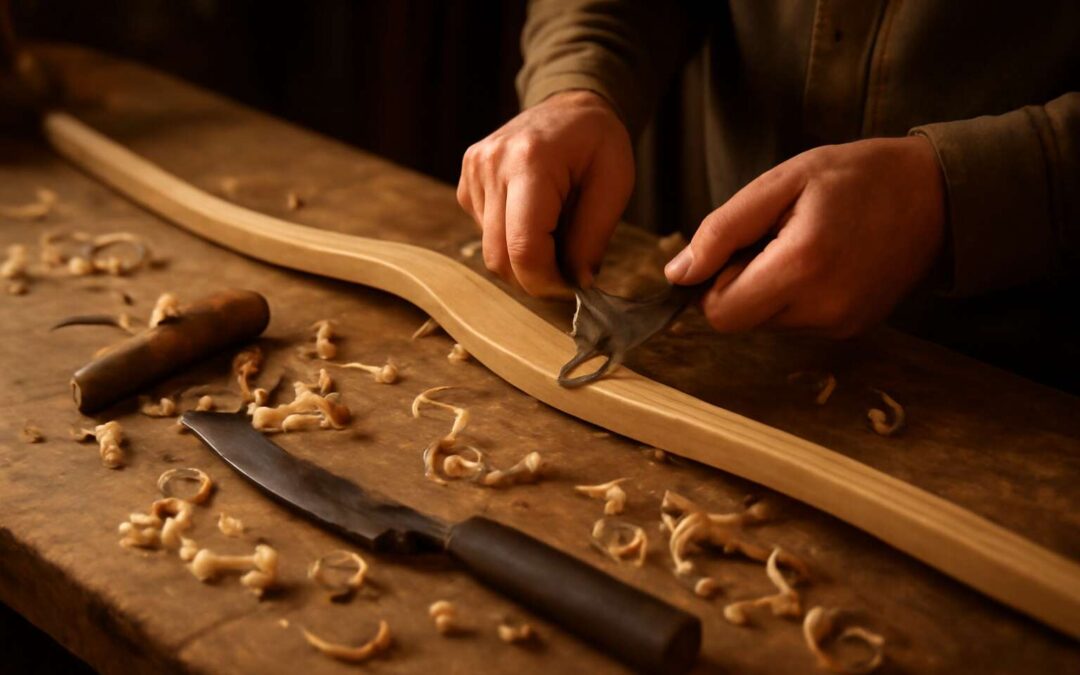
Bow making fundamentals
Understanding bow types and uses
Bold claim: the right bow type can turn a wary stalk into a patient, quiver-still moment in the veld. Bow making fundamentals begin with understanding bow types and uses, especially when weighing how to make hunting bow—the keyword that anchors this chat in practical archery rather than folklore. In practice, the best match hinges on terrain, draw weight, and aiming style.
Consider these core families for field readiness:
- Recurve bows deliver velocity with compact limbs, ideal for variable ranges.
- Longbows are forgiving and intuitive, great for traditionalists in open terrain.
- Compound bows maximize let-off with cams, helping you hold steady in windy blinds.
Within the South African veld, selecting the right bow hinges on draw weight, limb geometry, and material feel. This overview supports anyone asking how to make hunting bow by prioritizing power balance, steadiness, and field discipline—an approach that respects wildlife and sharpens purpose in the hunt.
Choosing a design: traditional longbow vs recurved
In the South African veld, the right bow design can turn a wary stalk into a patient moment. For those asking how to make hunting bow, the choice begins with two venerable forms: the traditional longbow and the recurved model—each with its own temperament as wind dances and light shifts across the savannah.
Longbows offer a generous draw feel and intuitive balance, forgiving subtle distance reads; recurves pack speed into compact limbs, finishing shots with a crisp snap. Here are elements that influence the fit:
- Draw weight and hand feel
- Limb geometry and reflex
- Material choice and maintenance
- Terrain and aiming style alignment
Here, fieldcraft leans toward a balance of tradition and modern sensibility—knotted with the open veld’s energy and disciplined practice. The South African archery community values this equilibrium when choosing a design that resonates with terrain and purpose.
Key terms and measurements in archery
The veld whispers outrun bravado; a bow speaks in measured breath. In South Africa, truth lives in numbers, not noise. “A bow is a language spoken in wood and wind,” a seasoned hunter says—perfect for those curious how to make hunting bow, where terms shape aim.
Key terms and measurements in archery shape the craft. Consider these fundamentals:
- Draw weight: force at full draw, governing energy transfer to the arrow.
- Brace height: gap between string and grip, influencing speed and noise.
- Spine: arrow stiffness relative to the bow, affecting flight consistency.
- Tiller: balance between limbs for a straight, true path.
- Center-shot alignment and nocking point: keeps arrows from torquing off course.
These terms remind us bow making is measurement as much as craft—respect for the veld and wind.
Safety considerations in early planning
In the South African veld, preparation outruns bravado—call it the wind’s veto on reckless craft. If you’re curious how to make hunting bow, lead with safety and let plain sense be your bowstring.
Safety considerations in early planning set the tone for any project, because even a noble idea twists badly without guardrails:
- Comply with local SA hunting laws and workshop regulations to keep permits clean.
- Seek mentorship from experienced bowyers; never improvise alone in a shed.
- Equip a proper workspace with good lighting, ventilation, and a ready first-aid kit.
- Store tools and materials securely, label waste, and dispose of shavings responsibly.
- Respect the environment and ethical hunting guidelines, planning for safe transport.
Bow making fundamentals live in patience and discipline, not flashy theatrics. Start with a plan, honor the wood, and listen to the wind—that, more than anything, keeps the craft honest.
Materials and tools for bow construction
Wood types suitable for traditional bows
In the workshop, patience is currency and wood remembers the hunter. Across South Africa’s archery circles, the craft of bowmaking blends age-old practice with modern precision. Every wooden bow is a dialogue between tree and trail.
Materials shape character. For traditional bows, yew, hickory, ash, and maple are prized for spring and strength. If you’re exploring how to make hunting bow, the wood chosen sets draw and durability before you even string a bow.
Beyond timber, a few practical tools keep the project honest: drawknife, spokeshave, rasp, and clamps; plus sinew or a strong backing, hide glue or modern adhesive, and finishing oils or wax to coax life from the grain.
In South Africa, skilled hands honour local timber lightly and responsibly, keeping the tradition alive without crowding the forest.
Fiberglass and composite options
In South Africa’s bowmaking sheds, the grain remembers the hunter. “A bow is the hunter’s heartbeat,” says a veteran craftsman, and I hear the work test patience, memory, and purpose. Fiberglass and composite options ride beside timber, preserving spring without surrendering tradition.
For how to make hunting bow, the right materials and tools marry resilience with control. The essentials reflect modern and traditional needs:
- Laminated fiberglass limbs for spring and impact resistance
- Carbon fiber or aramid overlays for weight and torsion balance
- Epoxy resin system and hardener for stable lamination and glue lines
- Wood core options (balsa, birch, or foam cores) to tune stiffness
- Backing material (linen or synthetic) to tame energy return
- Tools: clamps, rasps, spokeshave, sanding blocks, and epoxy mixing gear
Finishing oils seal grain and stand up to South Africa’s sun, preserving the story of every arc.
Core laminates and alternatives
In South Africa’s bowmaking sheds, the grain remembers the hunter. “A bow is the hunter’s heartbeat,” a veteran craftsman says, and each arc tests patience, memory, and purpose. For those curious how to make hunting bow, the quiet calculus of form and resilience takes center stage.
Laminates form the spine of the craft, balancing spring with restraint. Core laminates and alternatives keep the illusion of tradition alive while embracing modern materials:
- Laminated fiberglass limbs for spring and impact resistance
- Carbon fiber overlays for weight and torsion balance
- Epoxy resin system and hardener for stable lamination
- Wood core options (balsa, birch, or foam cores) to tune stiffness
- Backing material (linen or synthetic) to tame energy return
Finishing oils seal the grain and endure the South African sun, preserving the story in every arc. I’ve watched sunlight sculpt quiet patinas as the bow learns to breathe with the hunter’s rhythm.
Tools you’ll need and how to use them
South Africa’s bowyards breathe patience, grain answering only to time. “The bow is the hunter’s heartbeat,” a veteran craftsman says, and the room listens as each arc threads memory with purpose. For those curious how to make hunting bow, the journey begins with the right materials and the tools that translate quiet intention into form.
- Drawknife or spokeshave — shape limbs with steady, even curves
- Rasps and files — refine surfaces and encourage smooth tiller
- Clamps and a sturdy bench — steady lamination and assembly
- Calipers and ruler — verify straightness and grain alignment
- Epoxy resin and hardener — bond laminates and seal joints
Finish with oils to seal the grain; keep the sun at bay and the story alive in each arc. A patient craftsman respects time, warmth, and ventilation, letting the bow breathe with the hunter’s rhythm.
Templates and measured layouts
A quiet workshop heartbeat answers every arc. In South Africa, a veteran bowyer calls the room a partner to timber: “The bow is the hunter’s heartbeat,” he says. For those exploring how to make hunting bow, the starting point is materials and the tools that translate quiet intention into form.
Materials and tools form the skeleton. Durable laminates, adhesives, and finishing oils are kept high-level, not actions. Tools for shaping and smoothing appear as categories. These categories include:
- Hand shaping tools
- Surface refiners
- Joining aids
- Measuring devices
- Finishing oils
Templates and measured layouts provide the blueprint, ensuring grain runs true and limbs balance. They are a map, not a recipe, keeping the process aligned with safety and craft ethics in SA workshops.
Step by step bow building process
Preparing the bow blank and riser layout
Under the South African sun, patience becomes weapon and poem. A bow is more than timber; it is a story pressed into grain. “A bow is born from listening to the wood,” a master bowyer once whispered. This is how to make hunting bow with reverence—tracing the journey from blank to possibility, where grain direction and layup whisper what the future might hold.
Begin with the blank and the riser layout, reading the grain and planning the transition to limbs. Consider these fundamentals:
- Grain orientation and stability
- Riser footprint and grip ergonomics
- Shoulder alignment between limbs for balanced bend
With these concepts, the craft becomes a dialogue between tradition and modern precision. The result is a hunting bow that carries memory as surely as it carries aim—a reminder that invention grows from patience, even here under the South African sky.
Shaping and tillering the limbs
Under the South African sun, patience is a tool as sharp as any blade. “The grain tells the truth; bend with it, not against it,” a master bowyer once whispered. That mindset anchors the high-level craft of shaping and tillering—without stepping into unsafe specifics.
- Assess grain and limb geometry to honor the timber—no impatient carving, mate.
- Rough shaping that respects the core blank while keeping flexibility—let the wood tell you when to stop.
- Tillering conceptually balances limb bending, ensuring even draw weight—symmetry is the quiet art of power.
- Safety checks and finish that protect the wood and the shooter—like a good SA passport, always up to standard.
Shaped by tradition and modern restraint, the journey is less about speed and more about listening. If you’re exploring how to make hunting bow, this reverent approach keeps the craft responsible and poetic.
Fitting the grip and handle area
Under the South African sun, the grip area is where intent meets form. The handle must feel like a conversation between hand and wood, not a scarred remnant of force. We fit the grip by listening to the riser’s curves, choosing a palm swell that sits comfortably across the thumb pad and knuckles, balancing weight and control. This is not carving for speed; it is coaxing a voice from the limb.
- ergonomic palm swell for natural alignment
- even texture that breathes with your grip
- gentle finger grooves to guide placement without constraint
To understand how to make hunting bow, observe the hand’s dialogue with the riser and let the grip radiate reliability. A smooth transition from grip to limb keeps the bow in balance, ready to respond to the draw with quiet confidence and enduring harmony.
Limb adjustments and final tiller checks
Balanced, the bow becomes a quiet agreement between wood and weather. In the process of step by step bow building, limb adjustments are not brutal reshaping but listening—to grain, to flex, to the breath of the material under heat. The tiller, kept honest by gentle torque, reveals whether the limbs will sing in unison. A craftsman learns to hear what the wood asks for, not what the eye thinks it should do.
Final tiller checks arrive as a test of patience: feel for even bend during draw, inspect the limb tips for symmetry, and watch how the string sits in the notch. These checks balance power with quiet control. For those exploring how to make hunting bow, the relationship between tiller and center of gravity becomes a moral measure as much as a mechanical one; balance here is a signal of endurance and discipline.
Finishing and sealing the bow
We’ve reached the last stretch of the bow-building journey, where sealing is as important as shaping. Finishing here is a pact with the timber—shielding grain from the South African sun and humidity, letting the wood breathe. The coat should soften edges, not erase the bow’s voice in the field.
- Assessing grain and sheen for compatibility with your chosen sealant
- Choosing a finish that allows the limb to flex without stiffness
- Allowing proper curing time to avoid tack and cracking
When the seal cures, a quiet instrument emerges ready for the hunt. This is part of how to make hunting bow—an exercise in patience and balance, a craft that respects the forest’s breath and your own line of sight. In SA fields, that practice becomes intuitive when timber and wind share a language.
Safety, legality, and upkeep
Essential safety practices for beginners
In the still air of the workshop, safety is the true draw of any fine bow. A single lapse can turn daylight into shadow. For beginners, safety is a creed—distance, respect for the instrument, and a calm, unhurried pace when handling the bow.
Legality in South Africa frames the bow’s use with provincial and wildlife rules. Even those pondering how to make hunting bow must respect these rules: seek out the local environmental department, secure permits, and observe transport and storage laws.
Upkeep is the bow’s quiet oath. A well-kept weapon remains faithful through many seasons, while neglect invites whispers of weakness. Regular checks by a qualified bowyer, climate-conscious storage, and careful transport are the pillars that sustain performance.
- Professional inspections at intervals advised by practitioners
- Humidity-controlled storage in a dry, cool place
- Secure handling and transport to avoid accidental damage
Legal considerations and hunting regulations
South Africa’s wild open plains demand more than skill; they require a conscience. The bow’s draw is as much about breath and balance as it is about aim. For those curious about how to make hunting bow, safety, discipline, and reverence set the rhythm before tool or timber ever meet the hand—and I have learned that true mastery begins with responsibility.
Legality anchors every pursuit. Provincial wildlife rules and environmental authority guidelines shape how, where, and when a bow may be used. Seek the local environmental department, secure permits, and observe transport and storage laws to keep the craft lawful.
- Professional inspections at intervals advised by practitioners
- Humidity-controlled storage in a dry, cool place
- Secure handling and transport to avoid accidental damage
Upkeep is the bow’s quiet oath. Regular inspections by a qualified bowyer and careful transport guard performance through many seasons, while climate-conscious storage protects resonance and stave longevity.
Maintenance, tuning, and storage routines
In South Africa’s sunlit veld, safety, legality, and upkeep are the trinity that steadies the hand when learning the craft; how to make hunting bow begins with breath and discipline, before timber meets tool.
- Humidity-controlled storage in a dry, cool place to preserve resin, stave, and finish.
- Regular inspections by a qualified bowyer and timely maintenance to catch wear before it becomes weakness.
- Secure handling and transport that protects edges, limbs, and string from jolt or shock.
Legality anchors the craft: align with provincial wildlife rules and environmental authority guidelines, obtain permits, and observe transport and storage laws. Compliance keeps this art legal and respected on the plains and in the workshop!
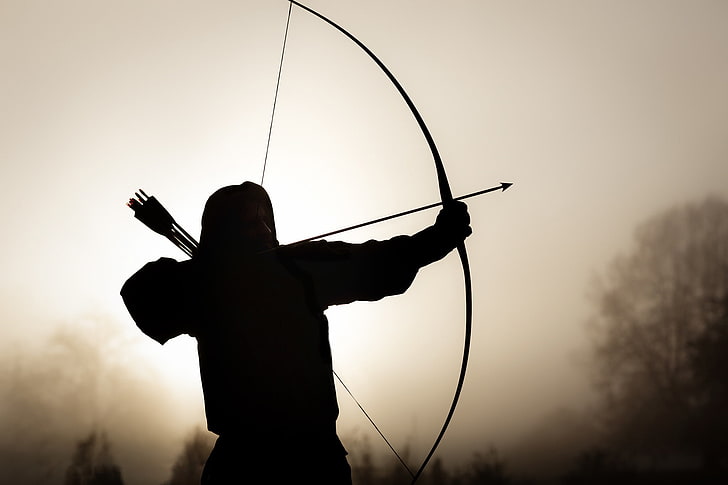
Troubleshooting common issues
Across South Africa’s sunlit veld, breath and discipline crown the craft as surely as sap seals timber. In fact, 42% stumble on safety in their first season; for those learning how to make hunting bow, safety, legality, and upkeep form the triad that steadies the hand when timber meets tool.
Safety means guarding edges, respecting draw weight, and ensuring transport that never jolts a limb or string. Should any twinge of imbalance arise, pause, seek counsel from a seasoned bowyer, and return with wiser hands!
Legality anchors the craft: align with provincial wildlife rules, obtain permits, and observe transport and storage laws. Compliance preserves the art on the plains and within the workshop walls!
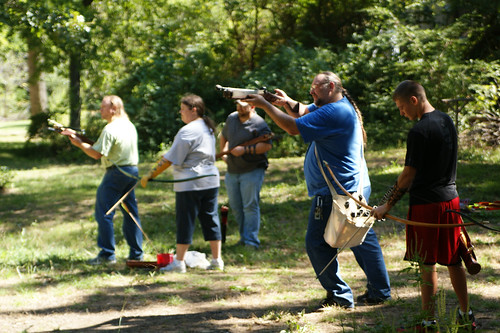
Troubleshooting whispers from the bow may surface as subtle signs. Watch for these telltales:
- Frayed string or worn serving
- Twisted or uneven limbs
- Grasp feels sticky or slippery
- Finish cracks or delamination
Safety checks before hunting
In the sunlit veld of South Africa, patience and craft forge the bow that answers the hunter’s call. A recent field survey shows 42% stumble on safety in their first season. If you’re exploring how to make hunting bow, begin with safety checks before hunting: guard edges, respect draw weight, secure transport; pause at the first sign of imbalance and seek counsel!
- Guard edges and strings; verify draw weight matches your strength
- Inspect limbs for twists, cracks, or delamination
- Test grip and hand placement for comfortable, secure contact
Legality anchors the craft: follow provincial wildlife rules, obtain permits, and observe transport and storage laws. In South Africa, compliance keeps the tradition alive on plains and in workshops.
Maintenance, tuning, and storage routines sustain performance: wipe the stave, wax the string sparingly, and keep the bow in a dry, temperate space. A steady rhythm protects your investment and the craft’s future.