
Choosing Your Archery Gear for Moose
Compound vs. Recurve: Picking the Right Bow
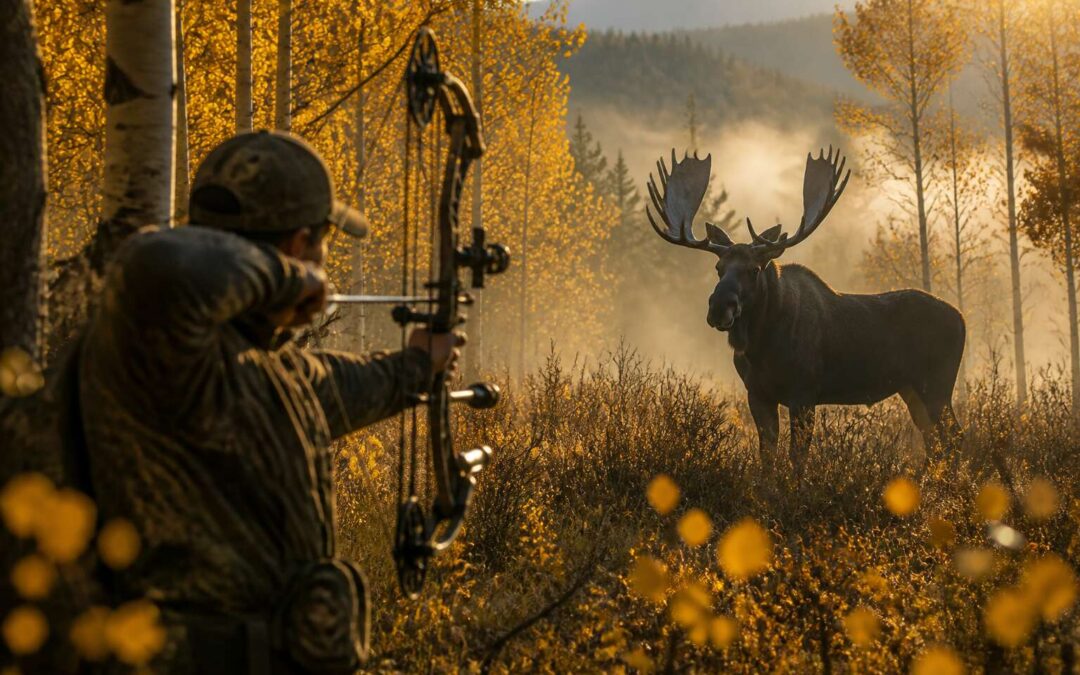
Choosing between a compound and a recurve for bow hunting for moose is a matter of knowing your own body and the terrain. The compound bow offers a mechanical advantage, with cams that store energy and let off at full draw. This allows you to hold steady for minutes, waiting for a bull to step clear of the brush. I have watched hunters freeze for what feels like an eternity, relying on that letoff to stay ready.
The recurve, in contrast, is a study in directness. No cables, no wheels, just wood and sinew. It demands a slower, more deliberate pull, and it rewards you with a shot that feels almost primal. For a hunter who moves quietly through dense timber, the recurve’s lightweight frame is a blessing.
- Compound bows deliver flatter trajectories for shots beyond 30 meters.
- Recurves reduce the risk of mechanical failure in wet conditions.
Ultimately, the right bow for bow hunting for moose is the one you can shoot with absolute confidence, whether it hums with precision or sings with simplicity.
Arrow Selection and Broadhead Configuration
An arrow with the wrong spine will drift in the wind and fail you at the worst moment. For bow hunting for moose, arrow weight and integrity define penetration. A moose’s shoulder blade is dense bone, so I choose shafts with a stiff spine and total weight above 450 grains. Heavy arrows resist wind drift and punch through muscle.
Broadhead configuration demands equal attention. A fixed blade head with a 1.25-inch cutting diameter produces a blood trail that stays visible in thick cover. Mechanical heads open wider but risk deflection on twigs. Some hunters prefer a cut-on-contact design for maximum energy transfer.
- Fixed blade heads offer reliability in heavy brush
- Mechanical heads suit open sight lines
- Two-blade heads penetrate deeper through thick hide
The right setup emerges from testing, not guesswork.
Draw Weight, Let-Off, and Shooting Form
For bow hunting for moose, draw weight is not a number you choose by pride. I set my bow to 70 pounds and no less. A moose absorbs an arrow with a body that resists lesser force. You need the kinetic energy to reach the vitals through hide, fat, and muscle.
Let-off matters in the frozen minutes before a shot. A high let-off, around 80 percent, lets me hold at full draw while the moose shifts its stance. My muscles stay quiet and the bow feels steady.

Shooting form turns that stillness into a clean release. I keep my back tension constant and my grip loose. The bow does the work if I let it! My checklist is simple:
- Anchor point fixed on the cheekbone
- Follow through without dropping the bow arm
- Breathe out before the release
I practice drawing, holding, and releasing in one rhythm. That rhythm is what I trust when the moose steps into the clearing.
Sights, Rest, and Other Accuracy Accessories
For bow hunting for moose, my accuracy accessories are selected through testing, not guesswork. A peep sight with a small aperture clarifies the sight picture in low light. I use one fiber optic pin instead of multiple pins, because a moose’s chest presents a small target area.
A drop away rest holds the arrow steady from full draw to release, then falls clear. A short front stabilizer reduces torque without extra weight. My rangefinder stays on a lanyard, ready for constant distance checks.
- Peep sight with a 1/8 aperture
- Drop away rest with full containment
- Short carbon stabilizer
Layering, Camouflage, and Scent Control Clothing
A moose can wind you at four hundred meters. That defines your clothing choices for bow hunting for moose. Movement and scent matter more than pattern. Gear must keep you quiet, warm, invisible.
Layering starts with a merino base layer. Over that, a soft fleece mid layer traps heat without rustling. The outer shell must be quiet and breathable. I prefer muted browns and greens for the boreal bush. Bright colors have no place here.
For bow hunting for moose, scent control is relentless. Every garment gets washed in scent free soap. Sealed bags hold them until use. Boots receive a neutralizer before the walk in. A carbon lined jacket adds extra insurance.
For camouflage, break up your outline:
- Leafy mesh strips for your pack
- A face veil that covers your neck
- Gloves with textured palms for grip
Your hands and face move most. Complete coverage keeps you hidden.
Understanding Moose Behavior and Habitat
Feeding Habits and Seasonal Movement Patterns
Alces alces, the moose, operates on a rhythm dictated by temperature and forage availability. During summer, these ungulates seek aquatic plants and willow thickets, often feeding at dawn and dusk. The heat drives them to shaded bedding areas by midday.
As autumn approaches, the rut transforms their behavior. Bulls become less predictable, moving farther in search of cows. I have watched bulls bed in the same alder thicket for days, then vanish overnight!
Understanding these patterns is essential for bow hunting for moose. A hunter who reads fresh sign, such as trampled vegetation and rubs, can anticipate movement corridors. Consider these cues:
- Morning feeding zones show fresh droppings and cropped willow shoots
- Midday bedding areas sit on shaded ridges with clear sightlines
- River narrows serve as regular crossings between forage patches
By late season, deep snow pushes moose into dense conifer stands. Their home range shrinks. For bow hunting for moose, this shift demands a different approach entirely.
Rutting Rituals: Calls and Other Sign to Watch For
A bull moose can shed 20 percent of its body weight during the rut. That energy expenditure changes how he responds to calls. A cow call that sounds half-hearted may still pull him in. A bull grunt, however, signals a challenger. This is when bow hunting for moose becomes a game of reaction. You do not track a rutting bull. You call him to you.
Sign to watch for:
- Fresh rubs on saplings with bark stripped in long ribbons
- Scrapes on the ground, pawed clean and urine-soaked
- Broken branches at nose height along travel routes
These markers tell you where a bull patrols. Listen for the grunt, the low cough, the thrash of antlers. When you hear that, you know the rut is on. Prepare to shoot within seconds.
Locating Active Moose with Scouting and Trail Cameras
Deep in the alder thickets, where the light fails to reach, moose behavior follows a rhythm older than memory. A bull’s habitat is not a random choice; it is a refuge of wet meadows and dense timber, offering both forage and escape. That is where bow hunting for moose becomes a test of patience, because a moose rarely strays far from its chosen basin. To find an active bull, you must read the land before you ever set foot in it.
Scouting demands time. Trail cameras, fixed to a weathered fence post or a leaning spruce, capture what your eyes cannot. Set them along water crossings and game trails, where the mud holds the deep, cloven impressions of a heavy animal. Review the digital evidence with the same care you would give a worn map. The images reveal when a bull passes, and more importantly, whether he moves alone or with a cow.
– Along the edges of beaver ponds, where moose feed at dawn
– On abandoned logging roads that connect feeding and bedding areas
– Near mineral licks, where moose gather in the quiet hours
The terrain itself speaks in subtle signs. A sapling bent at the base, a tuft of hair caught on bark. These are the ciphers of a hidden presence. Learn to read them, and the forest becomes a living record of every moose that walks it.
Getting Into Effective Archery Range
Cow Calling and Grunt Tactics That Bring Bulls In
The swamp goes quiet. This is the moment when a cow call becomes more than sound. For bow hunting for moose, the distance between you and the bull matters more than the volume of your call. You want the animal to close the gap without hesitation.
Effective archery range is a product of wind, cover, and call placement. A bull that answers a grunt from two hundred meters will often halt at the treeline, searching for the challenger. I have watched that pause turn into a clean shot. Cow calls should be soft, plaintive, and intermittent. Use a sequence that mimics a moving cow:
- two short calls from the same spot
- a long, low moan
- silence for twenty seconds
Grunts carry aggression; use them sparingly. You need a setup that funnels the bull into a lane no wider than twenty meters.
Using Decoys and Windage to Your Advantage
A poorly placed decoy might draw a bull’s curiosity, but it will not seal the deal. In bow hunting for moose, windage determines the outcome. Put the decoy downwind of your shooting position, so the animal’s eyes pull it forward while your scent stays behind a ridge. Check the breeze every few minutes, because swamp thermals are fickle.
Angle the decoy so it offers a profile. That reads as a live moose, not a staring contest. The bull will circle, making your lane a choke point. A short list for the forgetful:
- Stake the decoy so it can pivot.
- Camouflage its base with brush.
- Recheck wind before every call sequence.
I once placed a decoy upwind. The bull froze, then left. That lesson cost me a season, but in bow hunting for moose, decoys are only as good as the air around them.
Stalking in Dense Timber and Broken Terrain
In thick timber, the shot is never long. It is sudden. A bull can appear between two spruce trees at fifteen yards, and you have seconds. In bow hunting for moose, that is not a disadvantage. It is the only way to close the gap.
Broken terrain forces you into awkward paths. Deadfalls and bog holes dictate the route. Move one step at a time. Watch where the bull feeds, not where it will be. Use timber as a screen, but do not push through it recklessly.
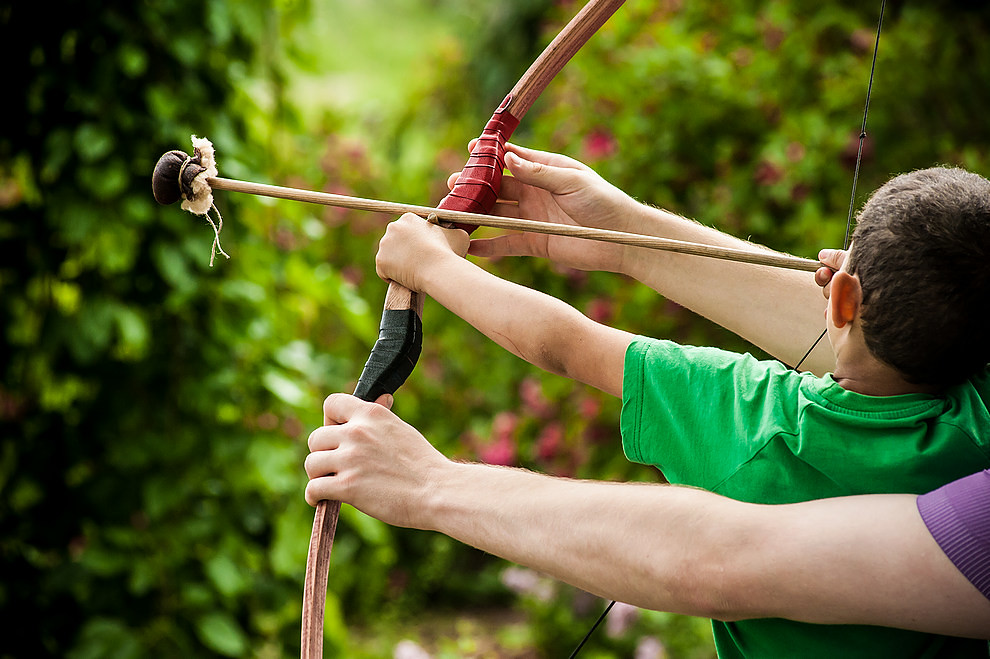
A short list for stalking:
- Stop and listen every five steps.
- Wait for the bull to lower its head before moving.
- Keep your bow arm relaxed, the shot comes fast.
Wind shifts in the trees without warning. Check constantly. If the bull turns its ears toward you, freeze. I watched hunters spook bulls by moving fast. Timber gives cover, but it carries noise.
Setting Up the Perfect Shot at 30 Yards
At thirty yards, the moose becomes a study in patience. The distance feels manageable, yet every muscle in your body wants to rush. Bow hunting for moose requires you to discipline that urge. You do not draw when the bull faces you. You wait for the broadside angle, or the quartering away shot, where the vitals open like a door.
Position your feet before the draw. If the ground tilts, shift until the stance feels solid. Raise the bow, set your grip, and breathe. The arrow should travel through a corridor cleared with your eyes, not your hands. At full draw, pick a single hair on the shoulder. This setup, repeated in bow hunting for moose, turns distance into certainty.
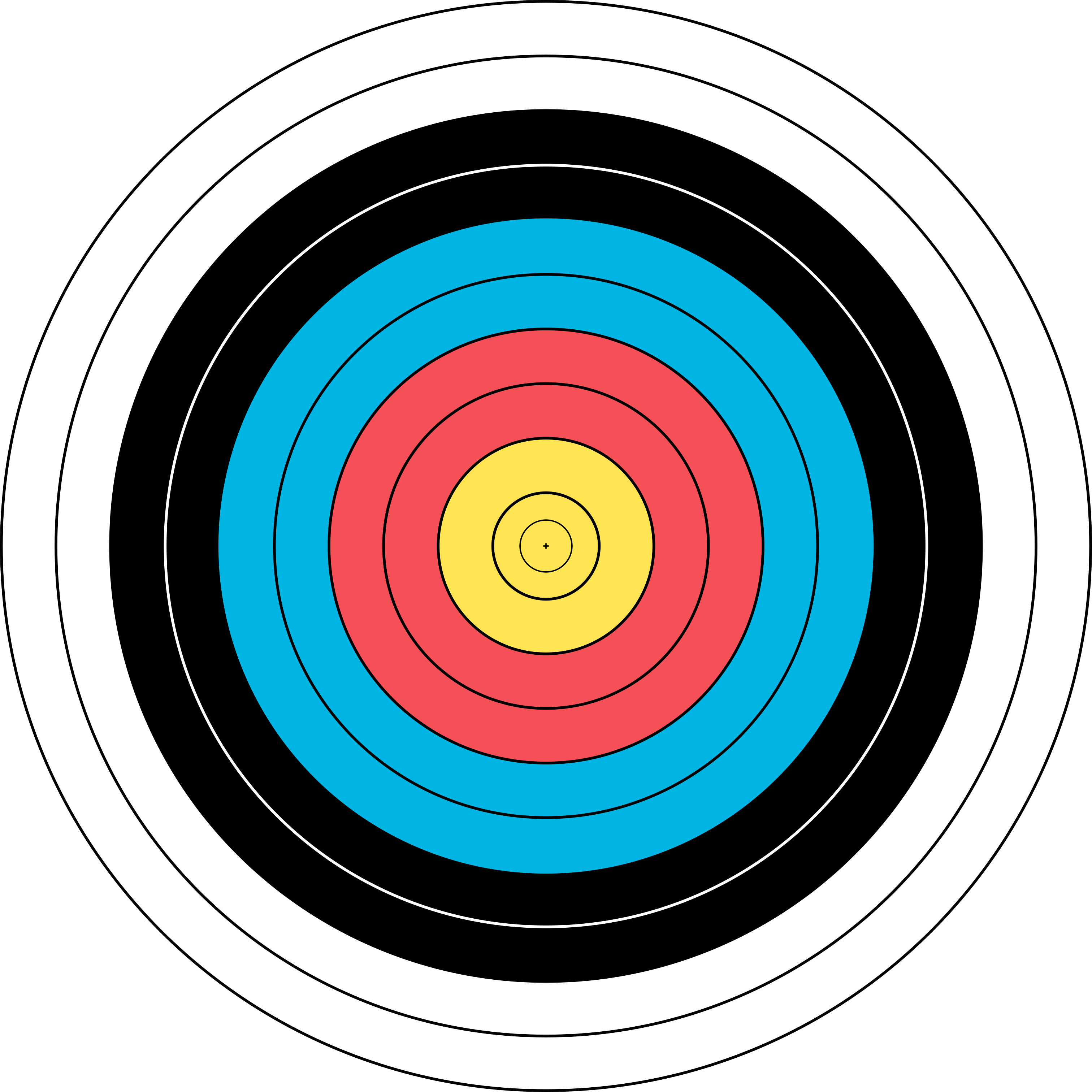
- Check the arrow’s clearance along the riser.
- Confirm the bull’s head is down behind cover.
- Release only when the front leg swings forward.
That final step, the leg movement, signals the moose is relaxed. Your shot then flies true, and the perfect setup becomes a memory!
Field Work: From the Shot to the Freezer
Reading Penetration and Tracking a Wounded Moose
Penetration dictates everything that follows the shot. A complete pass-through often signals a double lung hit, while a shallow wound means muscle and fat. In bow hunting for moose, this distinction saves hours of search time. The blood on your arrow tells the truth; bright pink bubbles mean lungs, dark red means liver, and green fluid means a gut shot. Track the stain consistency as you move.
Look for these cues at the impact site before pursuing:
- Blood spray pattern on leaves and deadfall
- Bits of hair with root follicles
- Hoof drag lines and stride length changes
Once you commit to the trail, mark every finding. A wounded moose will circle into thick cover or head for water, so pace yourself. Slow walking beats quick scanning. Each sign you read is part of a language that leads to a freezer full of meat.
Waiting Time: How Long to Delay Before Following
The moment your arrow flies, the waiting begins. In bow hunting for moose, the first thirty minutes after impact feel longer than any stalk, yet they are the most critical half hour you will never get back. A rushing hunter spooks a wounded animal into a desperate flight. Patience lets the moose settle, weaken, and lie down to expire without a pursuit that turns into a losing trail.
How long must you wait? The answer rests in your arrow’s report. A clean double lung shot demands sixty minutes. A liver hit requires four hours. A gut shot needs ten, though most hunters know that is a hard lesson in recovery and survival. Read the blood you found, not the hope you carry.
- Arrow penetration and blood type
- Moose reaction at the shot
- Wind direction and your approach path
Mark the impact point. Then wait. The moose’s own biology becomes your partner. In bow hunting for moose, the pause separates a filled tag from a lost animal.
Gutting and Field Dressing in the Backcountry
Field dressing a moose in the backcountry is a heavy task. A mature bull can weigh over 500 kilograms on the hoof. Your knife work determines how much meat reaches the freezer.
Roll the animal onto its back. Open the hide from sternum to pelvis with a sharp blade, cutting around the anus and genitals. Moose hide is thick, so carry two knives. Work fast, but the gut pile can weigh nearly 100 kilograms. Remove it carefully.
Bow hunting for moose tests your endurance. The real work happens after the arrow. I have seen clean kills spoiled by sloppy field dressing. Cool the carcass quickly, then quarter it:
- Hang quarters in game bags
- Keep meat off the ground
- Pack out in stages
The final trip to the freezer is where bow hunting for moose earns respect. Every cut matters.
Packing Out Meat Efficiently Without a Horse
A mature bull can yield over 150 kilograms of boned meat. Without a horse, you are the pack animal. Split the load into manageable bags, no more than 25 kilograms each.
Use a pack frame with a solid hip belt. A game cart works on flat trails but fails in boggy spruce. Plan your route before the shot. Mark a path to the nearest trailhead or water access.
- Bone out the front and rear quarters first
- Leave the ribs and neck for a second trip
- Cache meat in clean game bags, hung high
Bow hunting for moose demands this kind of patience. Each trip tests your stamina, not your speed.
Cooling, Aging, and Storing Your Harvest
A moose carcass radiates warmth for hours, and that warmth invites bacteria. Bow hunting for moose tests your ability to manage heat. Drop the body temperature below 7 degrees Celsius first!
Skin the animal promptly and prop the chest cavity open. Quarter the meat into sections that fit your cooler. Hang the pieces in a shaded spot. Aim for a dry surface on each cut.
- Keep the hide on for transport, remove it for cooling
- Separate the quarters to allow air circulation
- Check moisture daily and wipe damp areas
Aging the meat for five to seven days at temperatures between 1 and 4 degrees Celsius tenderizes the muscle and deepens the flavour. Wrap each aged cut in butcher paper or vacuum seal it. Freeze at minus 18 degrees. Proper storage locks in the quality of your bow hunting for moose.
Legal, Ethical, and Safety Considerations
Licenses, Draws, and State-Specific Regulations
Securing a tag for bow hunting for moose demands patience before you ever nock an arrow. Each province and state runs its own draw system, with application windows often closing months before the season. In South Africa, no such hunt exists, but for those traveling abroad, verifying reciprocity is essential.
Ethical considerations hinge on shot placement and fair chase. A wounded moose is a serious responsibility, and safety protocols extend to tree stand harnesses and knowing your firearm-free zone. These regulations can shift between units, so never assume a blanket rule.
- Check resident versus nonresident fees
- Confirm archery-only seasons
- Review baiting legality per unit
State-specific regulations vary wildly, so always consult the official wildlife agency before booking your outfitter.
Backcountry Emergencies and Bear Defense
Bow hunting for moose places you far from trailheads and cell service, so the first rule is self-reliance. I pack a satellite messenger and a tourniquet before I ever check my broadheads. A fall on wet timber can end a hunt faster than any missed shot.
Bear defense requires a different mindset. Moose country overlaps grizzly habitat, and a fresh kill attracts attention. Carry bear spray on your hip, not buried in your pack. Learn to read fresh diggings and tracks, and make noise in blind terrain.
- Waterproof matches and fire starter
- Space blanket for hypothermia
- Antihistamine for anaphylaxis
- Water filter or purification tablets
Legal ethics demand you know your unit’s rules on firearms for defense. Some areas forbid sidearms during archery season. Verify this before you leave. Safety is a chain: preparation, awareness, and humility. One wrong assumption can turn a hunt into a rescue operation.
Ethical Shot Placement for a Clean Kill
The ethical shot on a moose is not the one that feels dramatic, it is the one that ends the animal quickly. For bow hunting for moose, the vitals sit behind the shoulder, low in the chest. A broadhead that slips forward into the scapula may not reach the heart. One that drifts too far back risks the paunch. Know the moose’s anatomy from a diagram, not a field guess.
Safety and ethics share the same root. A clear angle matters more than distance. If the bull quarters toward you, wait. If brush obscures the offside shoulder, wait. The kill zone on a mature bull is the size of a dinner plate, but it rests beneath thick muscle and heavy hair. Patience is the cheapest insurance you carry.
A clean kill requires:
- A quartering away angle for double lung penetration
- A broadside stance with both front legs planted
- A path clear of low branches and intervening timber
Physical Conditioning for Harsh Mountain Hunts
Bow hunting for moose in mountain country taxes your legs and lungs before it ever tests your shooting. A bull at 9,000 feet will not wait while you catch your breath. Legal boundaries, ethical obligations, and safety habits all start with the same honesty about your physical limits.
Conditioning for bow hunting for moose means training with a loaded pack, steep hills, and heavy boots. Squats, lunges, and stair climbs build the strength to hold a draw steady after a long climb. A hunter who cannot walk quietly cannot get close, and a hunter who cannot breathe cannot shoot straight.
- Loaded pack carries at altitude
- Sustained uphill climbs with heavy boots
- Draw practice after exertion
The mountain will expose every shortcut in your preparation, and I have seen that exposure end hunts before the animal ever appears. Respect that, and the hunt stays legal, ethical, and safe from trailhead to packout!
Common Mistakes That Ruin Moose Archery Hunts
Trespassing is the quiet killer of bow hunting for moose. A hunter who fails to study land boundaries can walk a half mile onto private ground while following a track. That error costs tags, equipment, and sometimes a criminal record. Ethical blindness is just as damaging. Shooting a cow when a calf is visible, or taking a marginal shot at a moving bull, shows a lack of respect for the animal and the sport.
Safety mistakes also stem from haste. A loose broadhead in a quiver can slice a leg during a steep descent. An improperly secured bow can fall off a pack and spook every bull for a mile. The worst part is that these problems are avoidable with one extra minute of checks.
- Hunting without a valid tag for the specific unit
- Ignoring weather and terrain warnings
- Mixing hunting with alcohol
Each of these ruins hunts that looked promising on paper. I have witnessed the aftermath, and the cost never matches the reward. Check your boundaries, your gear, and your state of mind before you ever nock an arrow.
Respecting the Animal and Public-Land Ethics
Bow hunting for moose carries a weight that goes beyond the harvest. The animal gives its life, and the hunter honors that by ensuring a fast, clean kill. On public land, that obligation extends to everyone else who shares the space.
Respect means studying regulations before you leave, not after. It means passing on a shot if the angle is poor, even when the bull is trophy class. It means keeping your distance from other hunters and their setups.
- Learn the specific land rules for your unit
- Pack out every piece of gear, including spent arrows
- Leave gates and campsites exactly as you found them
These choices define bow hunting for moose as much as the shot itself. A hunter who acts with discipline protects the sport for the next season.