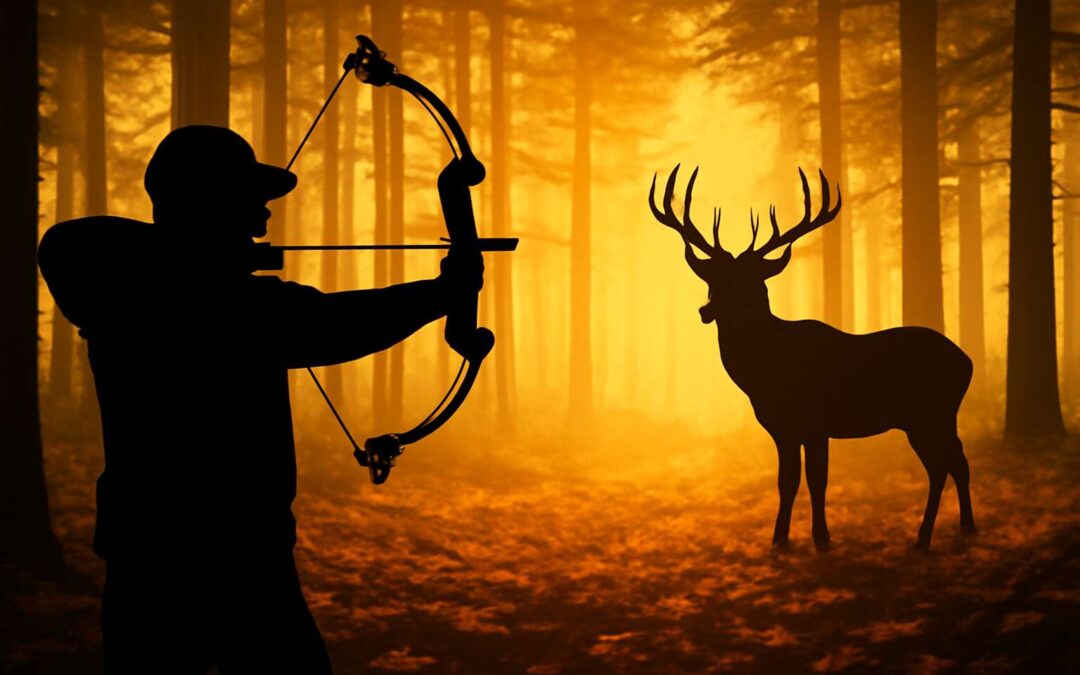
Bow hunting elk
Elk behavior and habitat
A dawn hush fractures as a ghost of antlers steps through spruce and rock. In bow hunting elk, timing is a whisper: a mature bull can cover up to 10 miles in a day, yet vanish on the wind like a legend reappearing on the next ridge.
Elk behavior centers on water, forage, and light. They favor open meadows at timber edges, drift along river corridors, and bed in cool shade when danger lingers. Bulls trumpet in rut and clash, their scent riding the wind across ridges.
In these zones, habitat signals hint at elk presence:
- soft bedding near conifers
- tracks in damp soil by water
- fresh browse along meadows
- wallow and lick sites on terraces
South Africa readers will recognize these rhythms in highland scrub and reserve hills; wind, light, and patience govern the hunt’s echo across continents.
Gear and equipment
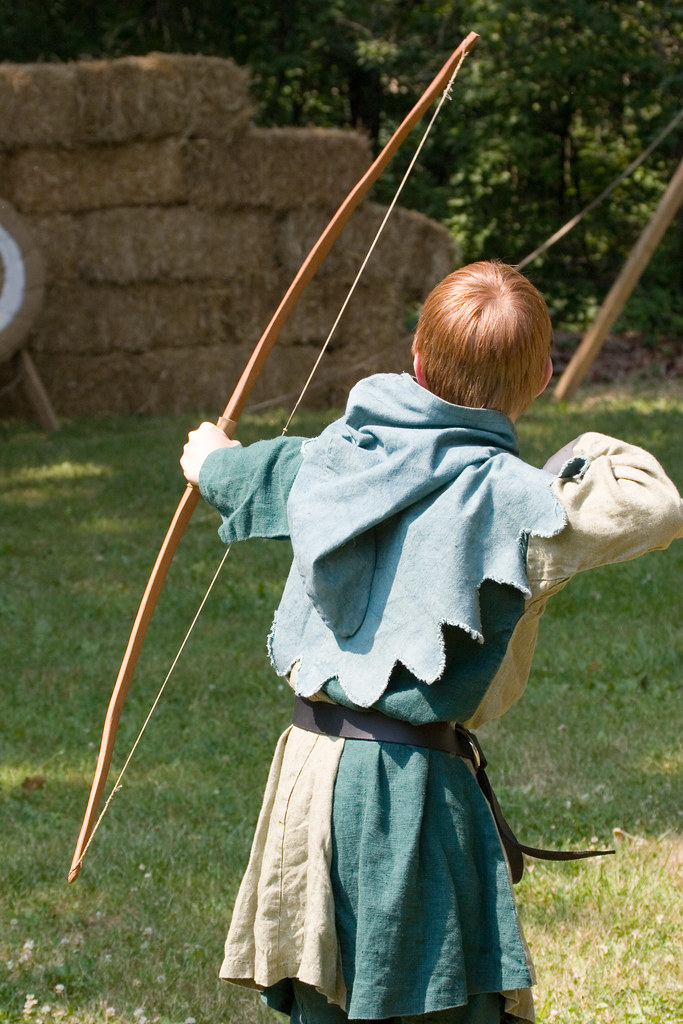
Every dawn past the aspens is a quiet negotiation with wind and velvet shadow. For bow hunting elk, gear must feel invisible and dependable—like a trusted heartbeat beside you. A bow tuned for smooth draw, a sight that reads light across ridges, and a release that answers without misfire set the rhythm. Arrows chosen for spine and weight glide into your story, with broadheads waiting for the moment the silence breaks.
- Quiet bow and matched arrows
- Reliable sight and release
- Broadheads sharp and spin-matched
- Stabilizers and dampeners for balance
- Camouflage clothing and scent-control basics
Across South Africa’s highland scrub or a wide northern range, the kit you cradle becomes part of the field’s weather. Durable camo, non-glint metal, and a compact pack carry your essentials without shouting presence.
Stalking and shot techniques
The dawn pins the hills with cold elegance, and bow hunting elk becomes a negotiation with wind and velvet shade. Every breath counts, and a single quiet moment can echo through the pines like a spell cast long before sunrise. Here in South Africa, the ritual feels universal.
Stalking through basalt and tussock, you read the land as a living map. The elk’s cues—wind, light, and distance—become notes in a quiet melody.
- wind as storyteller
- silhouette against daylight
- breath and pause
You move with patience, letting the moment choose you.
Then, when the window opens, quiet becomes courage and courage becomes voice. The shot finishes the arc, and the forest keeps the moment in its memory, breathing with you.
Regulations, safety, and ethics
In the hush of wind-washed ridges, a bow hunter’s conscience guides every movement. “Respect for life guides the arrow,” a maxim whispered by seasoned elders, keeps the hunt noble and the forest quiet—ethics stitched into the very rhythm of pursuit.
Regulations and safety shape the craft for bow hunting elk, with licensing, seasons, and humane standards serving as guardrails. In South Africa, wildlife laws promote lawful practice and responsible stewardship, a reflection of universal hunting ethics.
- Comply with licensing, bag limits, and hunter education applicable to your jurisdiction.
- Maintain safe equipment handling, clear communication, and shot integrity to protect all woodland users.
- Honor landowners, conservation goals, and the habitat you traverse.
Culture and law entwine; the hunt remains a story of balance rather than conquest.