
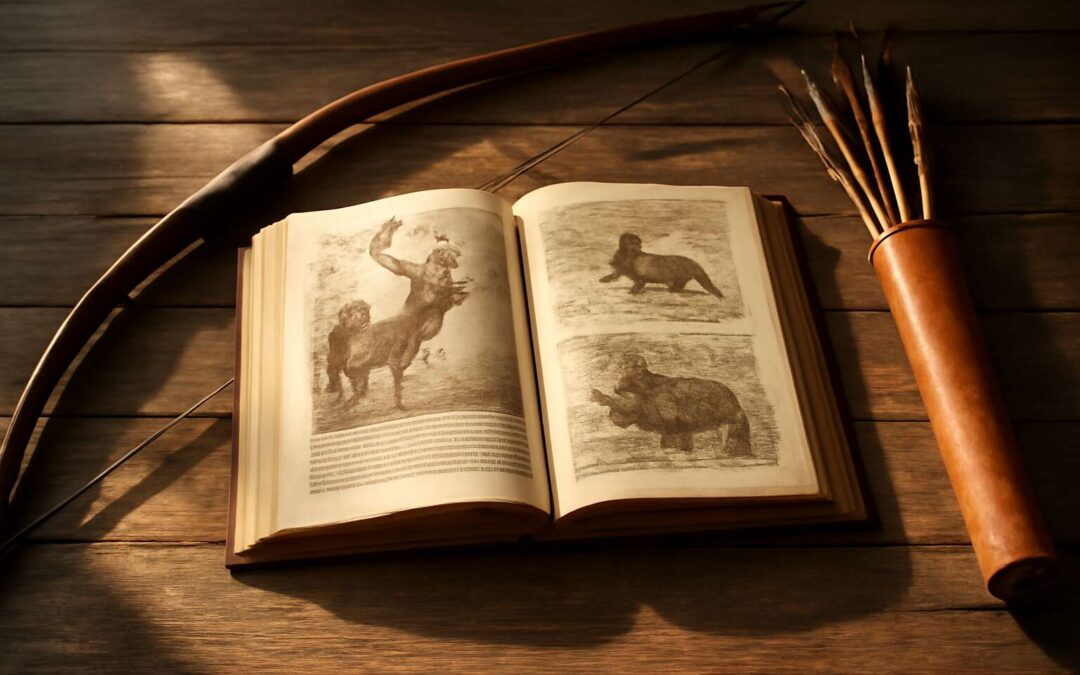
Bowhunting Literature Overview
Classic Bowhunting Guides
bow hunting books shape more than gear choices; in South Africa, they frame a hunter’s ethics and patience. A seasoned archer once said, ‘the best reads outlive the latest camo.’ When you open a classic, you hear the heartbeat of the sport louder than any marketing pitch!
Classic bow hunting guides cover fieldcraft, wind reading, stalks, and humane harvests. They endure because they translate experience into legible rules and refine a hunter’s balance between patience and precision. Among these enduring titles are:
- Classic Bowhunt Lore
- Stalking Wisdom from the Field
- Wind, Shadow, and Arrow: A Guide
These volumes arrive as durable companions in bookshops and online stores, echoing a practical South African sensibility—direct, unpretentious, and ready for the shelf. For many readers, bow hunting books offer quiet, reliable guidance that transcends trends and connects the bush to everyday decisions.
Modern Bowhunting Techniques
“The best reads outlive the latest camo,” a seasoned hunter once told me, and in South Africa that wisdom lands with a thud on the veld. Modern bow hunting books shape more than gear tips; they map patience, wind sense, and humane harvest into a readable compass that guides stalk after stalk. They turn fieldcraft into legible rules and keep balance between waiting and precise execution.
From arrow tuning to mental rehearsal, contemporary authors pair practical drills with the art of staying cool under pressure. Bow hunting books celebrate accuracy without hype, translating real hunts into repeatable habits that work in the open savanna and the urban fringe alike. They’re sturdy companions for anyone who wants to read the bush as clearly as they read the wind.
- Wind and scent management
- Stalking discipline and shot execution
- Ethical harvest and humane outcomes
Beginner’s Bowhunting Handbooks
South Africa’s veld rewards patience. “Patience is the quiet partner of accuracy,” a veteran bow hunter likes to remind me. In informal polls, newcomers who read a beginner handbook before the season report a tangible uptick in measured success and calmer nerves when the dust rises.
Beginner-friendly bow hunting books offer more than safety charts; they pair practical checklists with lucid field sketches and memorable anecdotes. For newcomers, these guides provide a patient blend of guidance, from gear basics to terrain reading, helping readers move with intention rather than impulse.
Key inclusions often found in these volumes:
- Equipment basics and maintenance
- Safety protocols, licensing, and season regulations
- Terrain interpretation and stalking pacing
Ethics and Safety in Bowhunting Literature
Ethics and safety sit at the core of bow hunting books, especially on the South African veld where a calm mind yields a clean shot. A veteran hunter once said, “Ethics chooses the shot before the arrow.” That weight threads through pages that champion fair chase and reverence for wildlife. On opening day, readers report steadier nerves as dust rises and decisions stay deliberate!
Key themes surface as concise checklists:
- Licensing, season regulations, and legal compliance
- Safety protocols, equipment checks, and range discipline
- Ethical principles: fair chase, humane handling, and wildlife respect
In South Africa, these volumes fuse practical fieldcraft with an unflinching call to responsibility, guiding readers to move through the veld with purpose rather than impulse.
Techniques and Tactics in Archery Hunting Texts
Sighting In and Equipment Setup
From the first whisper of dawn to the quiet thud of a successful draw, technique in archery hunting carries both discipline and mystery. In bow hunting books, Techniques and Tactics in Archery Hunting Texts on Sighting In and Equipment Setup chart the balance between fieldcraft and precision. They treat Sighting In as more than a ritual—it’s a dialogue with your bow about anchor points, sight lines, and the cadence of a practiced draw. The pages also weigh equipment intuition, explaining how balance, arrow selection, and release shape every possible moment in South African light.
- Sight alignment and anchor points
- Range cues and yardage estimation
- Arrows, broadheads, and equipment balance
These explorations invite readers to see gear and technique as a unified story, where the landscape becomes a character and the bow a trusted instrument. The South African reader finds a bridge between tradition and modern craft in these narratives.
Shot Placement and Stance
A quiet pre-dawn breath passes over the Karoo like a soft exhale from the land itself. In bow hunting books, shot placement and stance are not abstract ideas but a living dialogue with the field. A seasoned hunter once said, “The stance tells the story before the arrow leaves the bow.” These pages honor that truth—feet rooted, hips quiet, shoulders aligned, and a patient rhythm that respects wind, light, and the pulse of the hunt.
- Line of sight and body geometry
- Breath, balance, and anchor points
- Terrain, wind, and patient stillness
South African landscapes demand humility and grace, and these texts offer both—a quiet map for readers who measure success not by trophies but by the clarity of a well-told strike.
Fieldcraft and Stalking Tactics
Across the veld, stillness is not absence but a living craft—one that turns the bow into a whispered prophecy. In bow hunting books, fieldcraft becomes a narrative of listening before drawing, where every rustle and shimmer is read as weather, and patience is the keenest arrow.
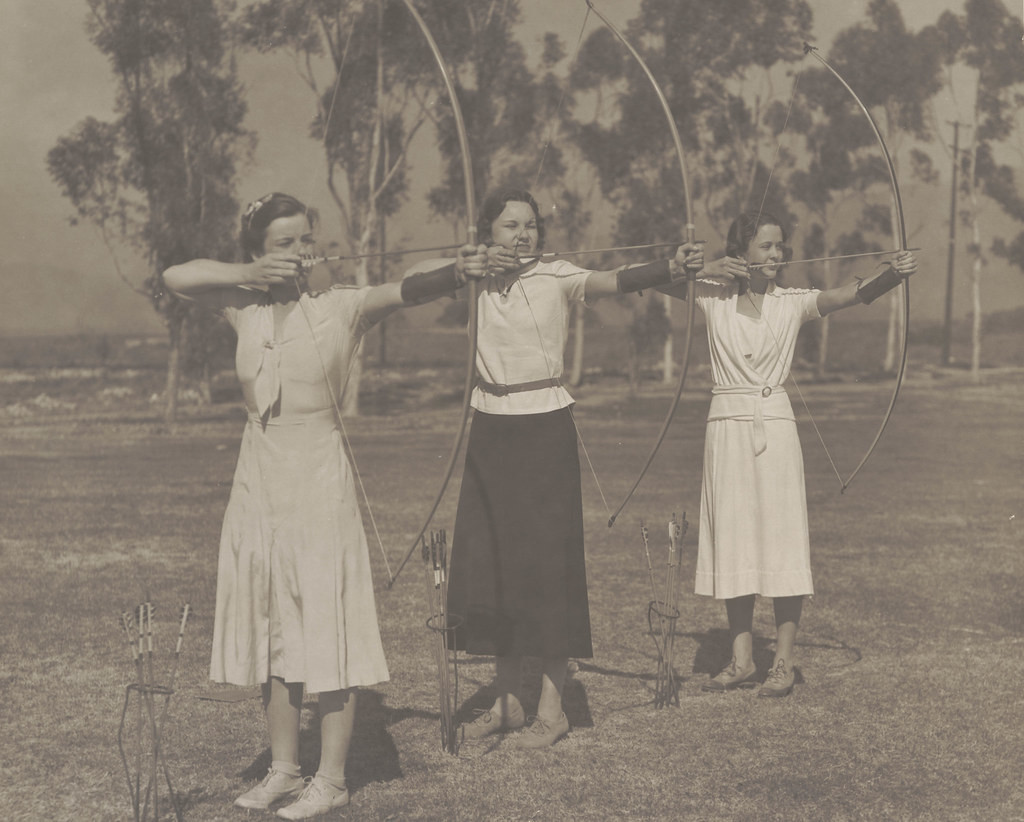
Techniques and Tactics in Archery Hunting Texts: Fieldcraft and Stalking Tactics fuse lore with discipline. The pages invite readers to cultivate an eye for light, an ear for wind, and a body tuned to the quarry’s rhythm. The following elements recur as timeless motifs:
- Wind-reading and scent dampening as quiet art
- Silhouette blending and measured, inconspicuous movement
- Observation with purpose, awaiting the perfect still moment
In this South African tapestry, bow hunting books become a compass for the hunter’s heart, more about insight than instant trophies.
Seasonal Hunting Strategies
A telling stat from last season’s veld: 68% of clean harvests came after reading wind and weather with patient, almost aristocratic restraint. In this South African tapestry, bow hunting books fuse lore with discipline, turning fieldcraft into a seasonal conversation rather than a chase for trophies.
Techniques and Tactics in Archery Hunting Texts remind us that effective hunting is a calendar romance—seasonal strategies that respect thermals, animal routines, and light angles. The pages champion observation with purpose, letting the quarry dictate tempo rather than spectacle.
Seasonal hunting strategies look different with every moon. Consider these practical anchors:
- Early season: shade-friendly ambush points, scent dampening, and layered wind awareness
- Mid-season: thermals and feeding corridors along water sources
- Late season: sun-warmed trails and revisiting stand placement
As always, bow hunting books invite the reader to listen first, act second—an ethic well suited to the veld and its genteel demands.
Trail Craft and Game Tracking in Literature
Wind remembers the hunter who listens, and a telling veld truth remains: patience guides the shaft more surely than speed, a discipline etched in bow hunting books. Within these pages, trail craft becomes meditation, a careful dance of perception that refuses to hurry the moment. I’ve learned to let the quiet write the tempo.
Trail craft and game tracking in literature train the eye to read the veld’s living script—the faint spoor, the worn blade of grass, the hush before a footprint. The following textures emerge:
- Sign reading as narrative texture
- Terrain memory and pattern recognition
- Psychology of pursuit and restraint
Seasonal sense informs every page, turning chase into a conversation with the land. bow hunting books invite the reader to listen first, act second, and let the field dictate tempo rather than spectacle.
Gear and Equipment Guides for Bowhunters
Choosing a Bow and Arrows
On the edge of a fading Karoo dusk, the bow hums like a waking spirit, patient and exact. In bow hunting books, gear is not ornament but oath—a pact between hunter and quarry carried on the wind.
Choosing a bow and arrows demands a surgeon’s precision: draw weight suited to the archer, a grip that steadies in crosswinds, and arrows tuned to the shaft’s spine for clean flight.
Here is a compact guide to gear that survives the veld and the shadowy pages of bow hunting books:
- Bow type that fits your form—recurve for finesse or compound for consistency.
- Arrows matched to spine, length, and fletching for predictable flight.
- Accessories that endure—reliable release, silent string dampeners, and a rugged quiver.
South Africa’s light and climate demand resilient gear; let the choices you make be as deliberate as your pursuit.
Broadheads and Sharpening
A blade is the last word on the veld, and within bow hunting books that truth is etched in every page. Gear is the oath between hunter and quarry, a pact sealed against wind, dust, and time. In South Africa’s veld, equipment carries both craft and character.
The heartbeat of the hunt rests with broadheads and the edge. This guide treats blades that hold true and ferrules that endure scrub, while sharpening tools—stones, guided sharpeners, and strops—are silent partners rather than gadgets.
- Broadheads tuned to arrow spine and field conditions
- Sharpening systems for consistent edge maintenance
- Rugged, corrosion-resistant accessories and protective cases
South Africa’s climate demands gear that survives sun and dust, rain and transport. Field-readiness becomes a character trait in hunting literature, showing how durable setups translate into quiet, ethical pursuit and lasting respect for the quarry.
Sights and Release Aids
An honest shot begins with sight alignment and a clean release. In South Africa’s veld, where dust and light braid the air, the right sights and a steady trigger can decide the outcome. ‘Sight alignment is the heartbeat,’ a veteran bowhunter says. In the pages of bow hunting books, the path from pin to heartbeat is laid bare.
Sight systems range from a single pin to multi-pin rigs, chosen for your typical South African ranges. Bright fiber optics help in low light; ensure the peep sight stays aligned and the anchor remains repeatable. Release aids—thumb releases or index finger—must match your grip, drawing form, and practice routine for consistent impact.
For gear you’ll encounter in bow hunting books, focus on field-ready components:
- Sight systems: pin count, brightness, fiber optics
- Release aids: type, fit, trigger travel
- Durability: corrosion resistance, protective cases
Bow Maintenance and Tuning Tips
In South Africa’s veld, gear reliability is as vital as a clean shot. Bow maintenance and tuning tips found in bow hunting books cut through the noise, detailing string care, cam timing, and limb checks that keep performance steady when dust swirls and light shifts.
- String wear, wax, and protective coatings
- Cam timing checks and limb alignment in broad terms
- Durability considerations for field cases and corrosion resistance
A practical guide reads like a conversation about gear longevity, not a lab manual. These references offer field-tested wisdom that helps hunters stay ready for the next stalk.
Field Tips and Ethics in Hunting Literature
Ethical Harvest and Field Care
In the hush before first light, a hunter studies bow hunting books, where field tips meet the gravity of choice. Stories of measured shots, quiet patience, and respect for the quarry linger long after the chase ends, turning every page into a decision about ethics and responsibility!
Field care appears not as a tutorial but as a creed—keepers of tradition remind readers that harvest, when it happens, carries consequences beyond the moment. The best literature treats ethical harvest as ongoing stewardship, a quiet commitment to the land, the animal, and the craft we practice under South Africa’s wide skies.
Wildlife and Landowner Respect
“Ethics isn’t a bolt-on; it’s the bowstring,” a saying that threads through bow hunting books. In South Africa’s dawn-lit fields, field tips merge with responsibility, turning quiet moments into conversations about respect for the quarry and the landowner. The pages feel less like tactics and more like a code whispered between two friends under the wide, promise-filled sky.
Within these pages, landowner respect isn’t a sidebar; it’s a creed.
- Landowner consent and property care
- Habitat stewardship as a through-line
- Discreet, respectful conduct in the field
From the prairie to the paddock, these themes give wildlife literature its moral weight, a reminder that every harvest carries responsibility beyond the moment.
Safety Protocols and Accident Prevention
First light crowns the veld; the quiet power of a bow settles into your hands. The safest shot is the one you never take, and the best field writing teaches that restraint as clearly as technique. In bow hunting books, safety and ethics ride as twin hinges of every chapter.
From field tips and ethics in hunting literature, these guardrails emerge as quiet code:
- Pre-shot discipline and equipment integrity
- Backstop awareness and target confirmation
- Landowner consent and field etiquette
- Personal protective gear and first-aid mindset
Across South Africa’s dawn-lit tracks, the practice respects landowners and wildlife alike; precaution becomes character, and every page hints at a harvest measured in restraint, not speed.
Legalities and Regulations Overview
Ethics aren’t a suggestion; they’re the quiet hinge that keeps a bow steady in the veld. In South Africa, the field is bound by more than aim—the legal chorus is part of the craft. One line from hunting literature sticks with me: “The safest shot is the one you never take.” That restraint, echoed in bow hunting books, balances practical wisdom with a regulatory compass.
- Licensing and permits required for bow use
- Seasonal dates and bag limits that govern all hunts
- Landowner consent and field etiquette on every property
- Transport, possession, and safety regulation compliance
Written in accessible prose, bow hunting books translate statute into sensible steps and honest expectations. Those pages—bow hunting books—remind readers that respect for land and life outweighs speed, turning every read into a mindful pursuit of the hunt.
Finding the Best Resources and Practical Use
Choosing Titles by Skill Level
A surprising stat keeps echoing in the field: better resources shave months off a hunter’s learning curve. When you search for bow hunting books, look for clarity, actionable drills, and a clear progression from basics to field-ready techniques. In South Africa’s varied terrains, a resource that translates to your local season pays off in seconds, not seasons.
I choose titles by skill level, testing ideas under real conditions and letting the pages guide the pace of practice. Practical use means carving out time to compare notes with the field, then applying what works. Consider titles organized as follows:
- Beginner: fundamentals, safety, stance and draw basics
- Intermediate: accuracy, shot placement, and fieldcraft refinements
- Advanced: strategy, wildlife behavior insights, and gear planning
Extracting Drills and Routines from Reads
Across South Africa’s veld and ridges, a telling stat keeps echoing: better resources shave months off a hunter’s learning curve. The right page makes the distant craft approachable, turning uncertainty into practiced cadence. I chase prose that speaks with honesty and nuance.
Finding the best resources begins by weighing how a volume translates to real practice. Among bow hunting books, look for clarity, actionable drills, and a clear progression from basics to field-ready technique.
- clear explanations paired with concrete examples
- field-tested anecdotes that translate to South African terrain
- progressive complexity that mirrors shifts from standstill to stalk
Practical use means carving out time to compare notes with the field.
In the end, a good volume becomes a compass—translating your local season into seconds of clarity, not seasons of guesswork. I keep faith with the rhythm of the bow, and let the text shape the day’s pursuit.
Reviews, Comparisons, and Ratings
In the veld’s dim hush, a single page can tilt the balance. A telling stat echoes practice: better resources shave months off a learning curve. “The page is a weathered compass,” notes an elder bow hunter! Among bow hunting books, seek clarity, practical drills, and a steady progression to field-ready technique.
Finding the best resources begins with how a volume translates to real practice. Practical use reviews, comparisons, and ratings shape choices. In South Africa, terrain and seasonality sharpen the need for field-tested anecdotes that translate to veld and ridge. A text that speaks with local cadence earns a place in the library.
A good volume becomes a compass—translating the local season into seconds of clarity, not seasons of guesswork. Readable prose, weathered by experience, guides dawns and dusks on the hunt.
Supplemental Digital Resources and Apps
In the veld’s dim hush, the right bow hunting books become a weathered compass. They translate seasonality into seconds of clarity, shaving months off a learning curve and guiding dawns and dusks with practiced calm. In South Africa’s ridges and wind, the best volumes speak plainly and with local cadence, turning chalk-white notes into field-ready routines that endure.
- Wind- and weather-aware apps that pair with field notes
- Rangefinder and ballistic calculators for real-world shooting data
- Drill-tracking and video-analysis tools to refine form
Together, the narrative of traditional bow hunting books and the pulse of supplemental digital resources shape patient, precise hunters who read the land as a language.