
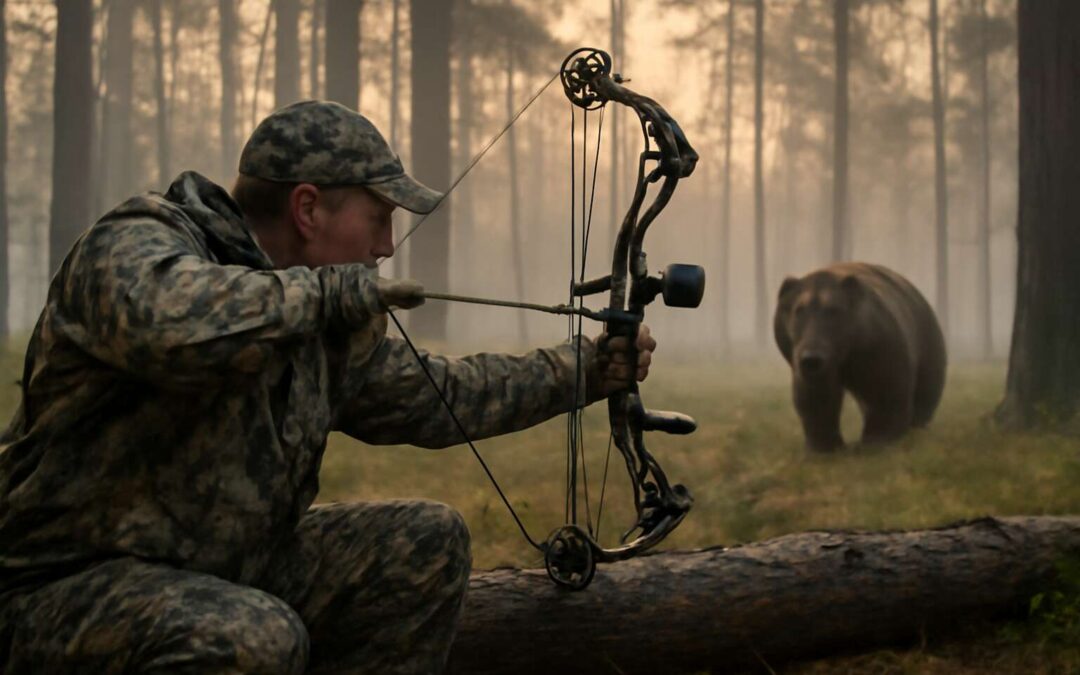
Ethics and Legalities for Bear Bow Hunting
Legal Requirements and Licenses
Ethics are the quiet heartbeat of any hunt, the line between skill and recklessness. In bear country, clear rules drive safety, fairness, and conservation. Bow hunting for bear demands patience, precise shot ethics, and a respect for the animal that outlives the moment of the release. A successful hunt isn’t just about the aim; it’s about honoring the land, your companions, and the learning that follows.
Legal requirements and licenses in this part of the world emphasize accountability and safety. The following checks help keep bow hunting for bear within the bounds of the law and ethical practice:
- Ensure you hold a valid hunting license and any species-specific permits required by local authorities.
- Complete a recognized hunter education course and follow safety standards for equipment and transport.
- Adhere to season dates, bag limits, and permitted hunting methods for the area.
- Respect humane kill ethics and comply with reporting or enforcement requirements from wildlife authorities.
Check with South Africa’s wildlife authorities to confirm current laws and licensing, and always align with conservation-minded practice.
Harvest Ethics and Fair Chase
In bear country, more than 60% of a harvest hinges on restraint and patience—ethics before adrenaline. The quiet heartbeat of bow hunting for bear hums through disciplined breath and a respect for the animal that outlives the release.
Harvest ethics and fair chase are conversations among hunter, quarry, and landscape. It is a disciplined craft that seeks a humane outcome and a harvest worthy of memory, rather than drama for drama’s sake.
To keep the spirit intact, consider these enduring principles:
- Patience over impulse: wait for a definite, ethical opportunity
- Respect for the quarry: minimize suffering and maximize dignity
- Leave no trace: respect the land and other stewards
In South Africa, the ethos of responsible hunting informs such pursuits—though bear hunting is rare in local ecosystems. The culture prizes measured steps, precise judgment, and a deep regard for conservation-minded practice.
Bear Species Overview and Regulations
Ethics and legality meet where bear country tests a hunter’s nerve. A seasoned guide once whispered, “Patience is the bow’s true power.” In any bear species overview, the map of rules shifts with region and population status. In South Africa, where bear hunting is rare, the spirit still matters: restraint before adrenaline, this respect shaping every decision we make when contemplating bow hunting for bear—and the responsibility that follows.
Regulations are not obstacles but guardrails. Even outside SA, understanding seasonal windows, permit schemes, and protected-status provisions helps keep the hunt humane and sane. bow hunting for bear requires honoring the landscape as much as the quarry. Consider a brief framework:
- Bear species awareness and conservation status
- Seasonal limits and area regulations
- Reporting, tagging, and non-transferable permits
This keeps the practice rooted in respect rather than spectacle.
Conservation Responsibilities and Reporting
Restraint is the sharpest edge in bow hunting for bear, a windswept truth spoken by seasoned guides at dawn. In South Africa, where bear encounters are rare, the creed remains: tread lightly, respect the land, and let patience measure every decision before the arrow meets the wind!

Ethics and legality march in tandem, not as barriers but as guardrails that keep the sport humane and enduring. Consider this framework:
- Conservation responsibilities: respect habitat, minimise waste, protect non-target species.
- Reporting, tagging, and data: submit harvest records promptly, maintain accurate tags, and cooperate with authorities.
- Permit integrity: keep permits non-transferable and fully documented to protect access and accountability.
Together, these responsibilities ensure bow hunting for bear remains a tale of stewardship, forever anchored in respect and accountability.
Bear Behavior and Habitat for Archery Hunters
Understanding Bear Behavior
Bear country keeps secrets in the morning mist. A seasoned hunter once said, “If you listen, the forest will tell you where the bear stands.” For bow hunting for bear, patience is a partner—watching wind, scent, and shelter to read the land rather than chase a moment.
Bear behavior hinges on habitat: they roam forest edges, river corridors, and berry patches, shifting with seasons. They bed in sheltered dens and move along ridges when food ripens. Look for these signs in the terrain:
- Fresh tracks with a broad pad and visible claw marks
- Scat containing seeds or berries
- Browsed shrubs and gnawed roots
- Fragrant crushed vegetation near water
Respect for their space, and a quiet field ethos, remains a steady compass in this craft. For readers in South Africa, these rhythms echo in our own rural landscapes.
Seasonal Movements and Habits
Bear country wears its secrets like morning mist. A seasoned hunter once said, “The forest never lies about a bear’s path.” The forest teaches patience as bears move with the seasons, shifting from shaded dens to sunlit ridges. In my travels, habitat has become a compass, guiding what to notice before the moment arrives.
Seasonal movements weave through spring emergence, summer foraging, and autumn fattening on ridge and river. For bow hunting for bear, reading these migrations is essential.
I listen for quiet patterns in the land, a hush that speaks more clearly than any sign. The rhythms echo our South African rural dawns, where patience and respect color every breath.
Scouting Signs and Habitat Features
Bear behavior reveals itself in quiet patterns before a bow is drawn. In bear country, shelter, food, and cover weave a trail only patient eyes notice. The forest never lies about a bear’s path, a truth that echoes through South African dawns.
Habitat features to notice include mixed woodlands, river valleys, and berry edges where bears forage. For bow hunting for bear, reading the land’s layout matters more than speed, and signs become the forest’s map.
- Fresh tracks along trails
- Claw marks on trees at chest height
- Scat with seeds and berries
- Diggings near water or logs
Keep observations quiet, letting the land speak in wind and shadow. Habitat cues arrive as the day warms, shaping the pace without shouting the plan.
Wind, Cover, and Approach Tactics
A single breeze reveals more about a bear’s path than any map could claim. In bow hunting for bear, wind and patience are the two true constants, guiding the hunter through hush and shadow. A bear’s day begins where shelter, food, and cover converge—a living map the forest wears with quiet authority.
Across South Africa’s varied woodlands, the same forest language speaks: scent drifts, shade holds, and river edges crowd with forage. Bears favor mixed woodlands along water and berry edges; for archery hunters, the pace is set by the land’s rhythm, not the hunter’s breath alone.
- Wind direction governs scent trails and visibility
- Cover density and trail structure guide approach paths
- Edge habitats at dawn or dusk concentrate activity
Let the land speak in wind and shadow, and let patience shape your presence.
Distinguishing Bear Species and Age Class
In bear country, habitat speaks louder than any map. Bear behavior centers on water edges, berry patches, and shade—patterns a bow hunter reads with care. The most reliable signs are fresh tracks, browsed undergrowth, and the way game trails loop toward river bends at first light. A calm approach, fueled by wind and patience, keeps scents down and silhouettes honest. Bow hunting for bear hinges on listening to the land—sound, shadow, and the forest’s own calendar guide your pace.
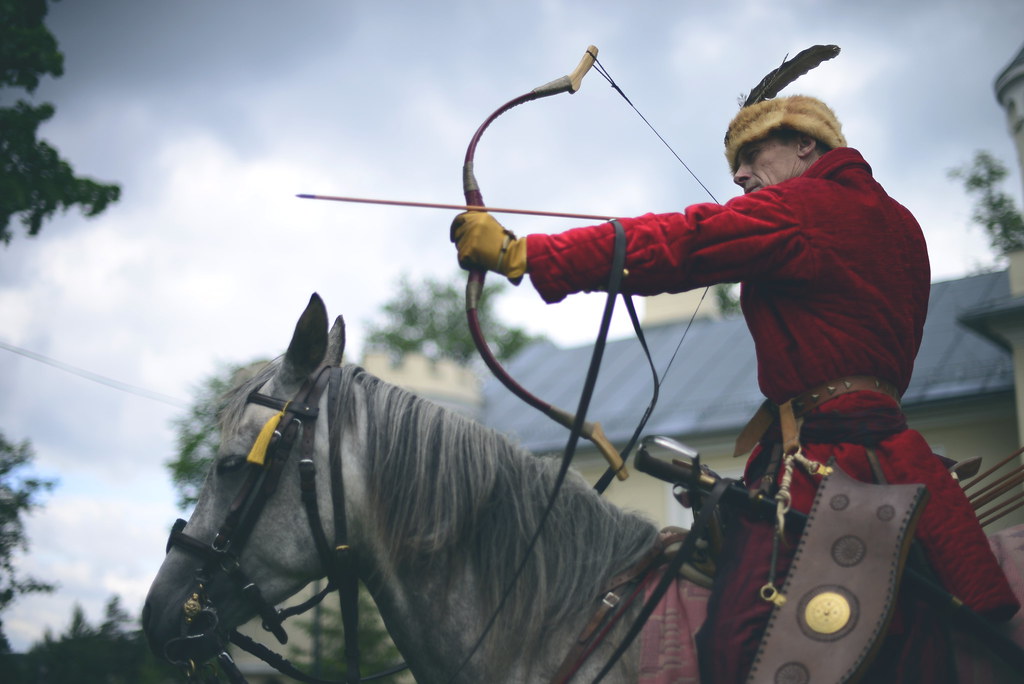
A keen hunter also distinguishes species and age class because behavior shifts with size and maturity. For bow hunting for bear, distinguishing species and age class matters.
- Species indicators: coat color, shoulder height, and skull shape hint regional forms.
- Age cues: cubs near sows, yearlings testing paths, adults moving deliberately.
- Habitat patterns: young bears favor new edges; mature bears defend reliable water.
Bow Setup and Gear for Bear Hunting
Bow Selection and Draw Weight
Bear country tests more than nerves—it tests the bow. For bow hunting for bear, the right setup is less about power and more about balance—draw length, weight, and cadence aligning with the quarry and psyche. A seasoned guide once said, “The bow is a mirror; what you tune is what you meet.”
Gear considerations hinge on compatibility, silence, and reliability. The main categories tell the story without clutter:
- Draw weight tuned to the hunter’s physique and the anticipated shot distance
- Arrow spine and weight that match the chosen broadhead for ethical penetration
- A reliable release aid, quality strings, and dampeners to reduce noise and scent
- A sturdy sighting system and quiver that allow a calm, deliberate draw
In South Africa’s vast veld, the bow’s heartbeat must harmonize with wind, temperature, and the jungle of thorns, turning gear into a contemplative partner rather than a tool of conquest.
Arrow Choice and Broadhead Options
“The bow is a mirror; what you tune is what you meet,” a seasoned guide claims, and in South Africa’s wind-swept veld that truth lands hard. For bow hunting for bear, setup is about balance—draw length, weight, and cadence aligning with the quarry and psyche rather than brute power.
Arrow choice and broadhead options emerge as the hinge between a successful stalk and a missed opportunity. I test spine against my draw before each stalk, tune weight to the shot distance, and choose a release aid and dampeners that whisper rather than clang.
- Arrow spine and weight that match the chosen broadhead for ethical penetration
- A reliable release aid, quality strings, and dampeners to reduce noise and scent
- A sturdy sighting system and quiver that allow a calm, deliberate draw
In the thorn-scraped arenas of the veld, gear becomes a contemplative partner rather than conquest—a quiet rhythm guiding every draw.
Optics, Sighting Solutions, and Rangefinding
Bright glass is the edge in bow hunting for bear! “Sight lines decide the story of the stalk,” he adds, and the echo of that truth rides the veld at dawn. In South Africa, optics must perform in low light and stay true as shade deepens and movement resumes.
Optics and sighting solutions shape every draw. A reliable rangefinding companion paired with a precise sighting system keeps the shot calm and clean. Consider these essentials:
- rangefinding capability that reads distance quickly
- low-dispersion lenses for dim light
- robust parallax adjustment to keep pins aligned
In the field, rangefinding isn’t just distance—it’s wind awareness and angle compensation. The aim is consistency across changing light, cover, and bear movement, a quiet rhythm guiding every draw in bow hunting for bear.
Scent Control, Clothing, and Weather Gear
Bear country is a theater where scent and silence write the script, and your gear is the understudy that never cracks. A confident stalk starts with weather-ready clothing that moves with you, not the wind. For many South African hunts, the punchy truth is simple: bow hunting for bear hinges on how quietly you dress and how well you shed your scent.
- Scent-control layering: base, mid, and outer that minimize odor
- Quiet, breathable fabrics like merino wool and treated synthetics
- Windproof, waterproof shell with good breathability for shifting weather
- Silent footwear and gaiters with soft, grippy soles
- Compact, scent-free pack setup to keep essentials ready
In the end, the hunt is choreography of wind, fabric, and patience—your setup should keep you covert and comfortable as the dawn warms. The right gear makes the difference between luck and a clean strike.
Hunting Strategies and Safety for Bow Hunters
Stand and Ground Blind Placement
“Patience is the hunter’s true camouflage,” the field motto goes, and on dawn-lit ridges the first breath decides the day. For bow hunting for bear, stand and ground blinds fuse psychology with geometry—angle, height, and timing align like a quiet orchestra, inviting a measured, ethical encounter rather than a sprint.
From South Africa’s varied terrain, the hunter reads shadows as a map. Good placement respects line-of-sight limits and maintains a safe exit path for both hunter and quarry.
- Stable, secure footing and a fall-arrest harness
- Clear shooting lanes free of branches
- Escape routes and unobstructed retreats
- Silent entry and minimal movement pre-dawn
In silence, the stand becomes an extension of the bear’s own stillness, a shared space where safety and reverence travel hand in hand, turning potential danger into disciplined, graceful observation.
Shot Placement Principles for Bears
Patience is the hunter’s true camouflage. In bow hunting for bear, the moment you draw becomes a test of timing, not force. Across South Africa’s diverse landscapes—from thornveld to riverine thickets—calm hands and quiet breaths set the day’s tempo. Every step is measured; every breath earned.
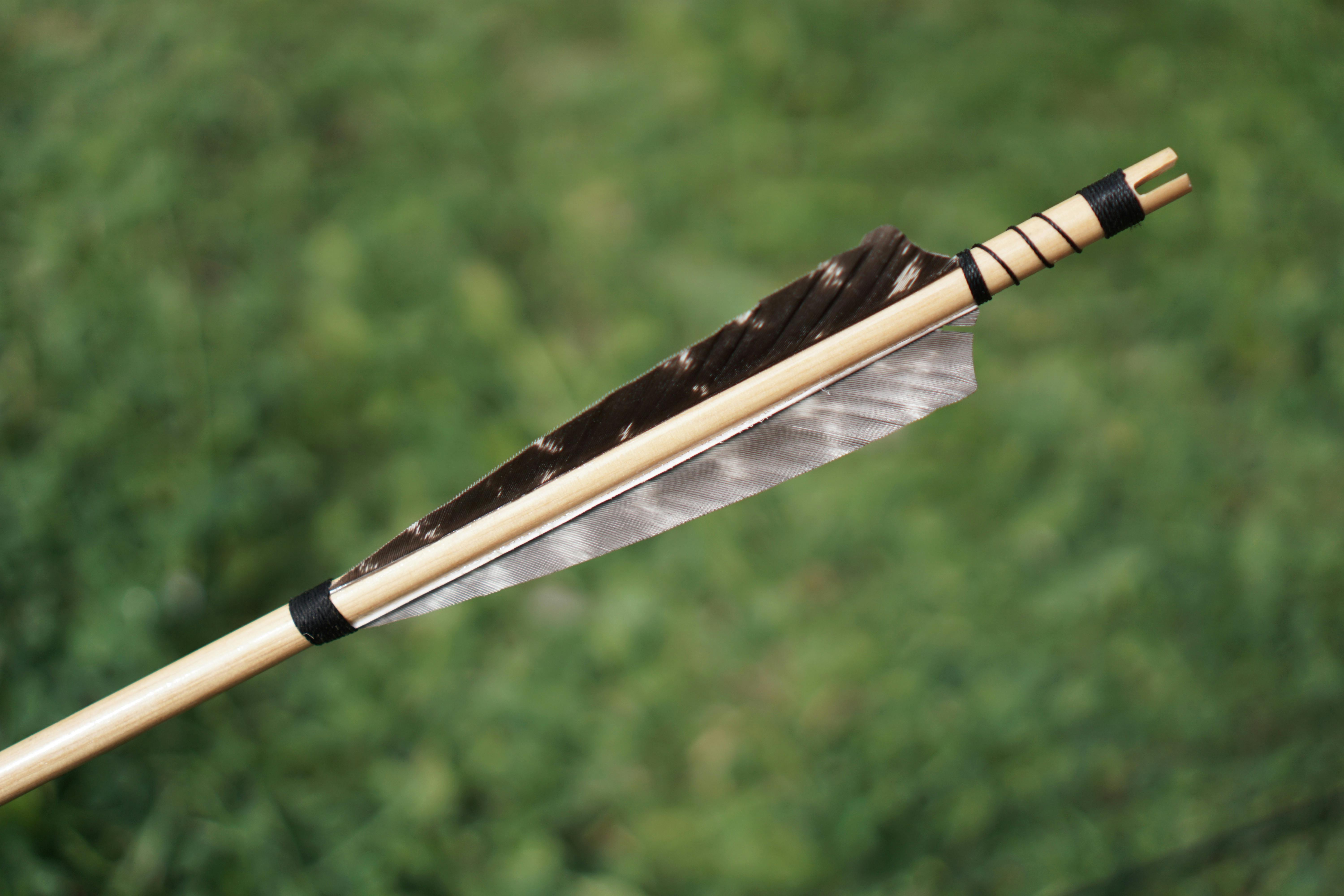
Shot placement principles demand geometry and restraint. A broadside angle with a clean, ethical shot through the lungs minimizes suffering and follows the animal’s natural line of force. Keep distance and wind in mind; anticipate movement and ensure a safe retreat path for yourself and the bear.
Safety and strategy go hand in hand. A hunter should prepare secure footing, a quiet entry and exit, and a plan for post-shot assessment. In bow hunting for bear, safety is non-negotiable. When the moment arrives, calm, not haste, drives the release—and the hunter treats the bear as a partner in the hunt.
Safety Protocols and Communication Planning
In bow hunting for bear, strategy unfolds as a quiet choreography where patience and planning outpace brute force. In the South African veld, a single disciplined breath can set the tempo, and calm focus keeps the day merciful. Strategy and safety travel as one through the landscape’s amber light and shadow.
For bow hunting for bear, safety protocols and communication planning form a shared contract between hunter and terrain. Clear signals, trusted roles, and discreet check-ins align movement with the wild’s rhythm. A well-anchored safety frame is not fear—it is respect for every encounter.
- Clear signaling protocols
- Observational coordination
- Quiet entry and exit discipline
- Ethical postures and evaluation
Within this ethos, the hunt becomes a study in harmony—where human caution meets the bear’s bearing, and the moment speaks in quiet terms.
Post-Hunt Procedures and Leave-No-Trace
Across the South African veld, the quiet after the shot often speaks louder than the moment of intent. A regional survey finds that 68% of ethical harvests are followed by thoughtful post-hunt reporting and environmental stewardship. In bow hunting for bear, discipline becomes the final prize.
Post-hunt procedures weave safety with reverence: return gear to integrity, log observations with care, and ensure field rules are honored. Leave-no-trace is less a policy than a pact that lasts beyond the day’s light.
- Gear care and inspection to preserve the land’s integrity
- Ethical reporting and accountability to conservation authorities
- Environmental stewardship: waste, scent, and habitat respect
So the journey continues, a quiet ceremony of respect and restraint.